WaveLink
WaveLink
WaveLink
Optimized ethernet interfaces engineered specifically for narrow space PCB assembly in Calgary industrial telemetry, embedded computing, and communications environments.
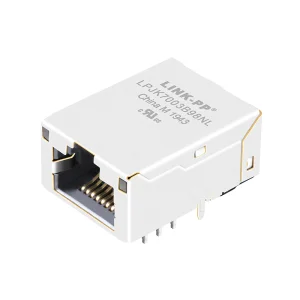
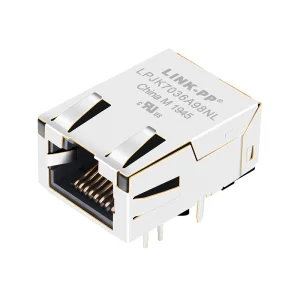
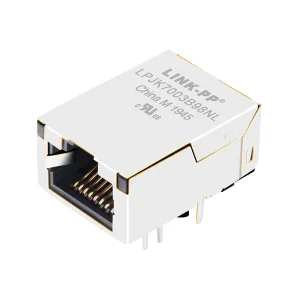
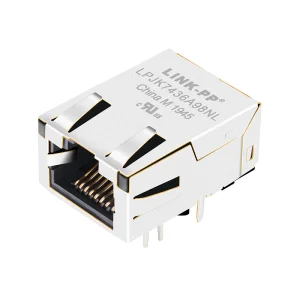
Modern networking hardware design demands a continuous contraction of physical space while signal frequency and throughput specifications rise exponentially. High-density telecommunication infrastructure, industrial automation controllers, and rugged oil and gas field telemetry boards represent environments where traditional vertical or standard right-angle RJ45 connectors present spatial bottlenecks. This has driven the industry toward the integration of Low Profile RJ45 Connectors.
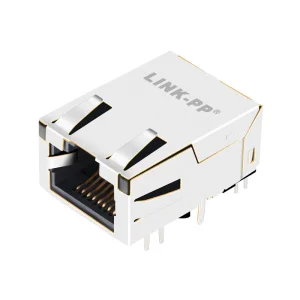
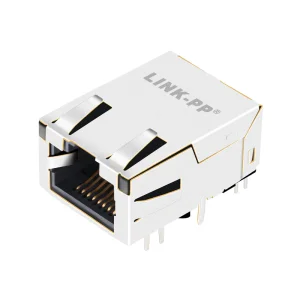
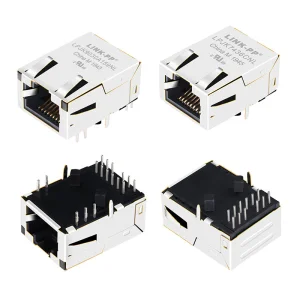
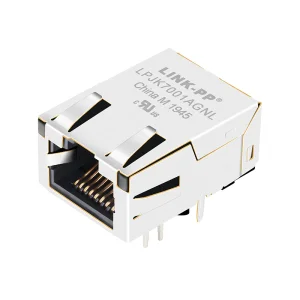
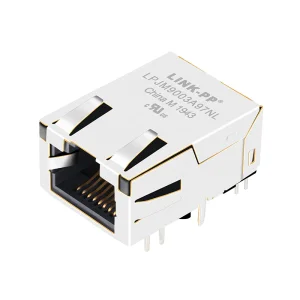
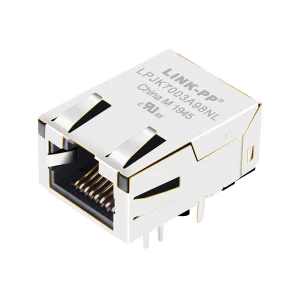
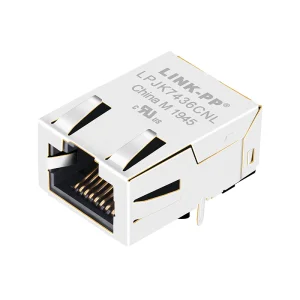
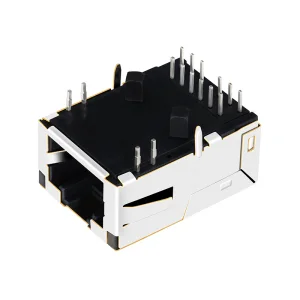
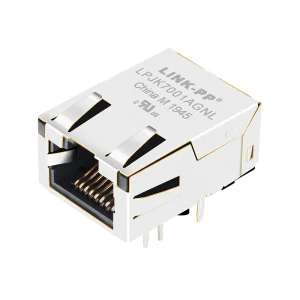
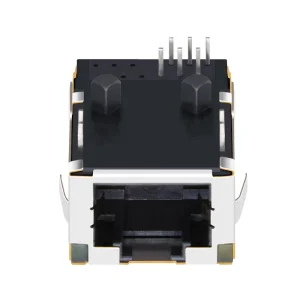
A Low Profile RJ45 jack typically reduces the overall height of the connector on the PCB surface from a standard 16.5mm down to 11.5mm or even 9.9mm. This critical vertical space savings allows system engineers to design stackable boards with narrower pitch spacings, slim-line servers, and miniature edge gateways. However, shrinking the physical envelope of a Gigabit Ethernet jack while maintaining high signal integrity (supporting 1G, 2.5G, 5G, and even 10G Base-T data rates) requires sophisticated mechanical packaging, electromagnetic shielding configurations, and integrated magnetics.
By shifting the transformer and common-mode choke components into the interior cavity of the low-profile shell (forming a Magjack structure), layout designers can save over 50% of the board space previously consumed by discrete components. This design is highly critical for equipment deployed in Calgary’s vast industrial footprint, ranging from SCADA transmitters to remote IoT hubs.
Calgary, Alberta serves as the focal point for Canada’s energy industry, logistics networks, and is a rising hub for industrial technology, smart grid infrastructure, and aerospace applications. The deployment of physical computing hardware in these sectors introduces unique engineering constraints compared to standard climate-controlled enterprise data centers.
In Calgary's typical industrial settings—ranging from deep-field oil wells to logistics warehousing and environmental monitoring systems along the Bow River—electronic hardware must withstand extreme temperature fluctuations (from -40°C in harsh Alberta winters to +85°C internal enclosure temperatures). Standard plastic connectors deteriorate and experience micro-cracking, leading to network disconnects and packet drops.
Furthermore, local utility providers and oilfield service companies rely heavily on SCADA (Supervisory Control and Data Acquisition) and PLCs (Programmable Logic Controllers) for pipeline valve automation, tank telemetry, and sub-station monitoring. These controller boards are usually mounted on DIN rail configurations where panel depth is highly constrained. By employing low-profile RJ45 connectors with integrated LEDs and shielding, Calgary hardware developers can manufacture controllers that fit into thinner enclosure chassis while retaining reliable local diagnostic signals via integrated LEDs.
1. Oilfield Telemetry & Pipeline RTUs: Deploying low-profile, shielded connectors within explosion-proof rugged enclosures to monitor pipeline pressure, flow rate, and gas concentrations in real-time.
2. Edge Computing & IoT Gateways: Providing low-height Ethernet jacks for micro-gateways routing outdoor sensor data over cellular and satellite networks to Calgary-based operations command centers.
3. Railway Automation & Signaling: Rail yards and traffic monitoring systems require vibration-resistant RJ45 profiles. Solder peg designs and tab-up structures prevent mechanical dislocation caused by continuous physical shock and high frequency vibration.
Integrating industry-leading supply chain flexibility with rigorous testing methodologies to guarantee robust physical layer (PHY) components.
WaveLink Optoelectronics Co., Ltd. is a professional manufacturer specializing in high-performance optical transceivers and fiber optic connectivity solutions, expanding into integrated copper connectivity interfaces for telecom and data center applications.
Founded in 2016, WaveLink has built a strong reputation in the global optoelectronics industry with a modern production base covering approximately 12,800㎡. The company generates an annual export revenue of around USD 18 million, supported by 7 years of export experience and 12 years of overall industry expertise.
For Calgary buyers and equipment designers, buying from a high-quality Chinese factory represents more than just a cost-reduction strategy. It provides access to a highly integrated ecosystem of material sourcing, precision tooling, and fast prototyping. By managing over 1,200 upstream supply chain partners, we secure high-grade phosphor bronze, premium engineering plastics, and customized toroidal magnetic cores even during supply chain shocks, enabling stable component sourcing and fast production scaling.
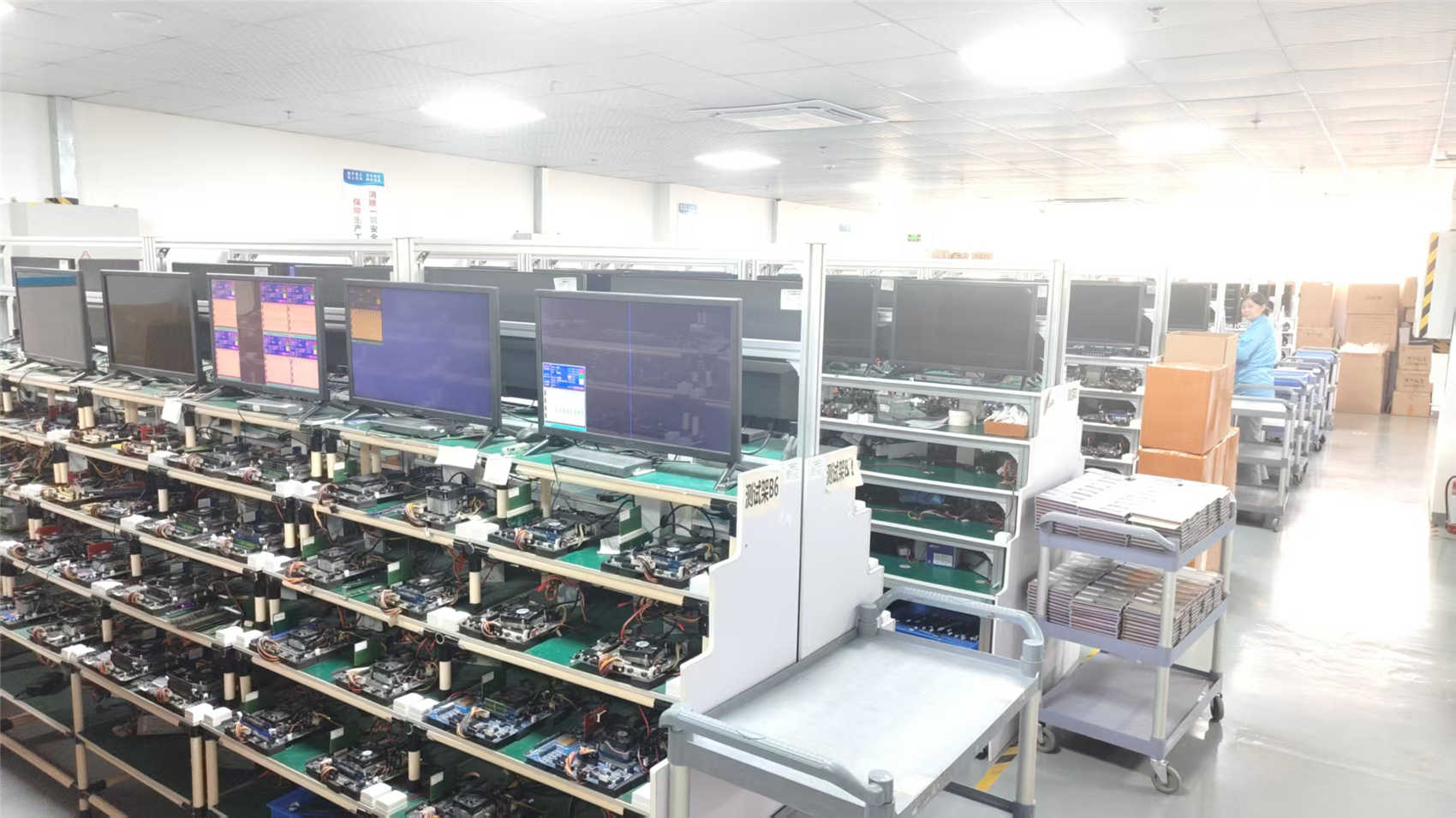
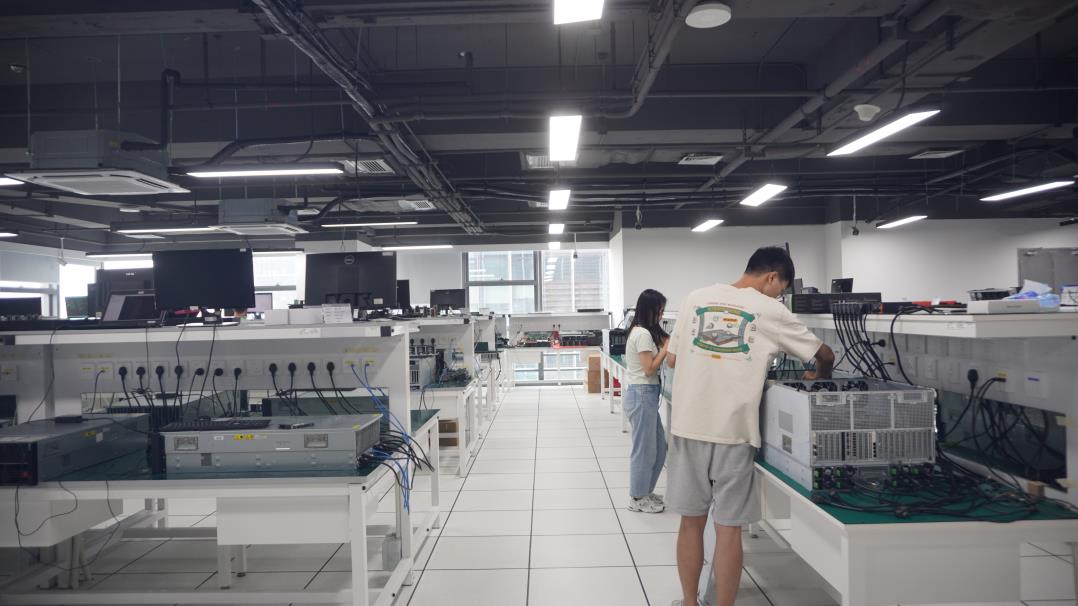
Quality assurance is the core pillar of WaveLink's operations. Our strict quality management system includes 100% performance testing, optical and electrical signal integrity testing, and high-temperature aging tests. Product inspection methods include automated optical testing (AOI), manual visual inspection, and real-time digital calibration systems.
Our quality control team consists of 45 dedicated QC engineers ensuring product stability and compliance with international standards. Furthermore, we maintain a research team of around 220 engineers. In the past year alone, the company launched approximately 180 new product models, continuously driving innovation in high-speed communication interfaces, and proving our custom engineering support, OEM/ODM services, and protocol-specific design optimization options.


Addressing technical developments in ethernet interfaces, transmission speeds, and mechanical layout constraints.
As industrial automation demands real-time high-definition video inspection, AI-driven machine learning inference at the edge, and ultra-low latency data transmission, modern networks are migrating from classic 10/100 Mbps systems to 2.5G, 5G, and 10G Base-T Ethernet interfaces. Managing crosstalk and high-frequency insertion loss in a low-profile connector housing is a primary design hurdle. Our 10G Base-T shielded RJ45 female connectors utilize internal PCB-based magnetic shielding plates to prevent near-end crosstalk (NEXT) and guarantee complete compatibility with IEEE 802.3an standards.
Modern remote sensors, security systems, and smart building interfaces rely on a single cable for both data transmission and power supply. The integration of PoE (up to 90W using PoE++ IEEE 802.3bt standards) creates severe thermal challenges inside tight low-profile connectors. Without appropriate ventilation or thermal dissipation design, high current loads cause heat build-up that alters the magnetic performance of internal choke coils. Our advanced designs use high-temperature insulation layers and optimized heat conduction pathways to ensure safe performance at elevated currents.
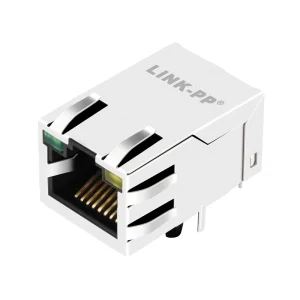
The latch location of an RJ45 connector plays a vital role in PCB layout convenience. By implementing an inverted (tab-up) design, we allow the release latch of the Ethernet cable to be oriented on the upper side, preventing mechanical interference with components positioned close to the lower edge of the PCB. Simultaneously, integrating green, yellow, or bi-color LEDs directly into the front shield of the connector eliminates the need for separate discrete light guides on the panel face, saving front-panel real estate and lowering assembly complexity.
Industrial applications in remote sites are exposed to dust, corrosive elements, and high relative humidity. To combat this, we offer low-profile RJ45 modular jacks with rugged shielding tabs that ground the connector directly to the panel chassis, as well as gold-plated pins that pass 48-hour salt spray testing to prevent contact oxidation and signal degradation over long operational life-cycles.
Explore our complete range of low-profile Ethernet sockets, complete with integrated magnetics, shielding configurations, and LED options designed to withstand industrial-grade operation.
Insights from our senior engineering team on layout design, impedance matching, thermal limits, and procurement parameters.