WaveLink
WaveLink
WaveLink
Industry-Standard RJ45 Modules & Optical Transceivers
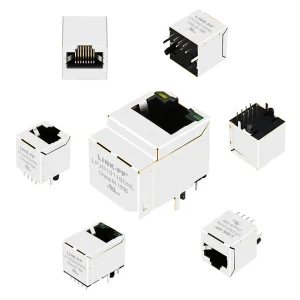
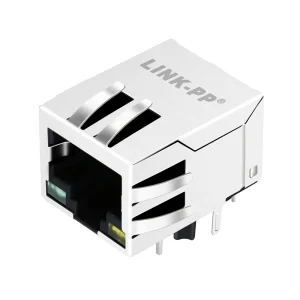
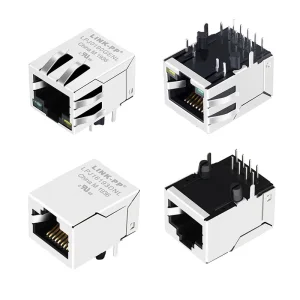
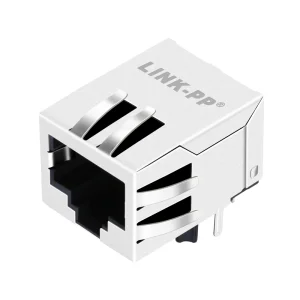
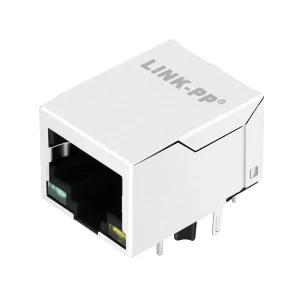
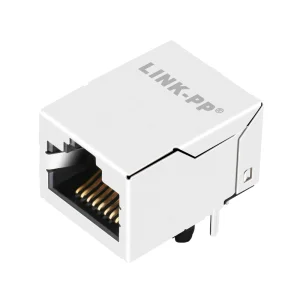
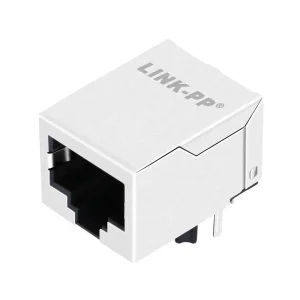
In the era of hyper-connectivity, the RJ45 Female Connector remains the bedrock of Ethernet communication. As industries transition to Industry 4.0 and 5G integration, the demand for high-performance modular jacks has surpassed traditional telecommunications, embedding itself into medical devices, automotive diagnostics, and smart city infrastructure.
The global Ethernet connector market is projected to grow at a CAGR of 6.5% through 2030, driven by the exponential rise in data traffic and the need for reliable "Plug-and-Play" hardware in harsh industrial environments.
Leading exporters are now focusing on vertical integration, ensuring that everything from gold-plating thickness to EMI shielding effectiveness is controlled in-house to mitigate global supply volatility.
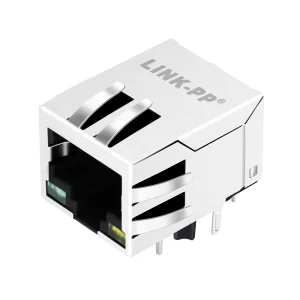
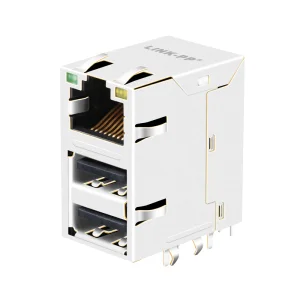
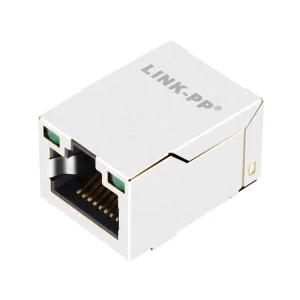
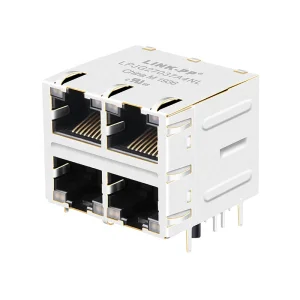
The integration of magnetics (Magjack) and PoE (Power over Ethernet) into a single female connector has revolutionized PCB design, allowing for miniaturization without sacrificing signal integrity.
The roadmap for RJ45 technology is defined by "Signal Density" and "Shielding Efficiency." While Cat5e remains standard for many legacy systems, the shift towards Cat6a and 10G Base-T is non-negotiable for modern data centers. Suppliers are now engineering connectors that can handle frequencies up to 500MHz with near-zero crosstalk.
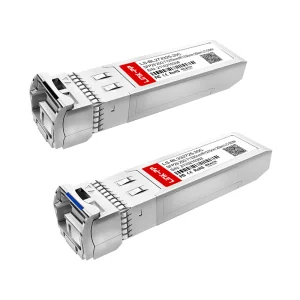
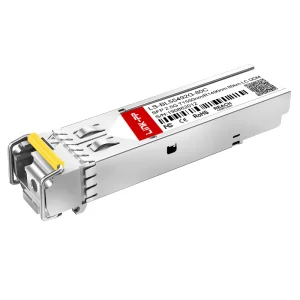
WaveLink Optoelectronics Co., Ltd. is a professional manufacturer specializing in high-performance optical transceivers and fiber optic connectivity solutions for telecom and data center applications.
Founded in 2016, WaveLink has built a strong reputation in the global optoelectronics industry with a modern production base covering approximately 12,800㎡. The company generates an annual export revenue of around USD 18 million, supported by 7 years of export experience and 12 years of overall industry expertise.
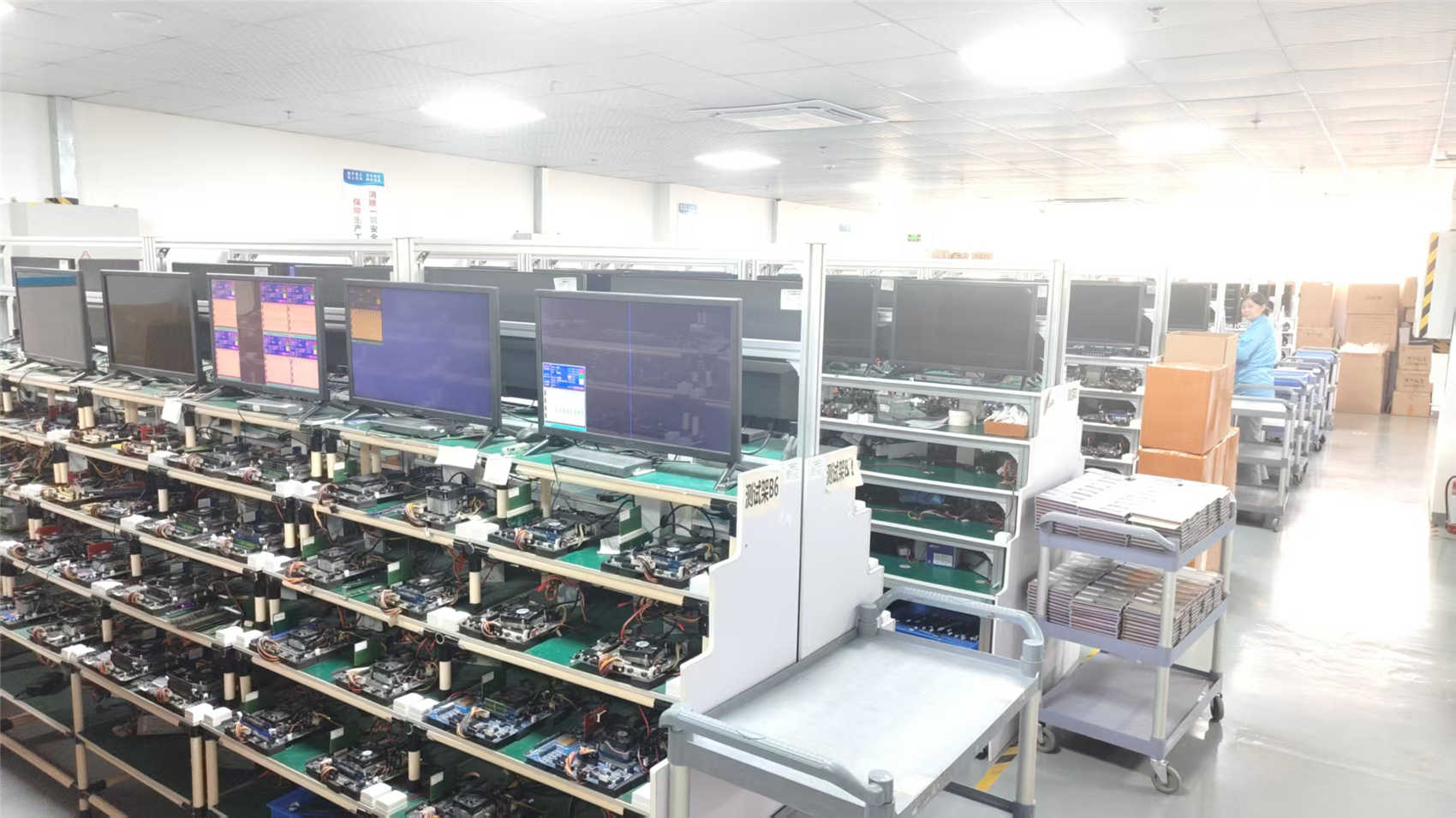
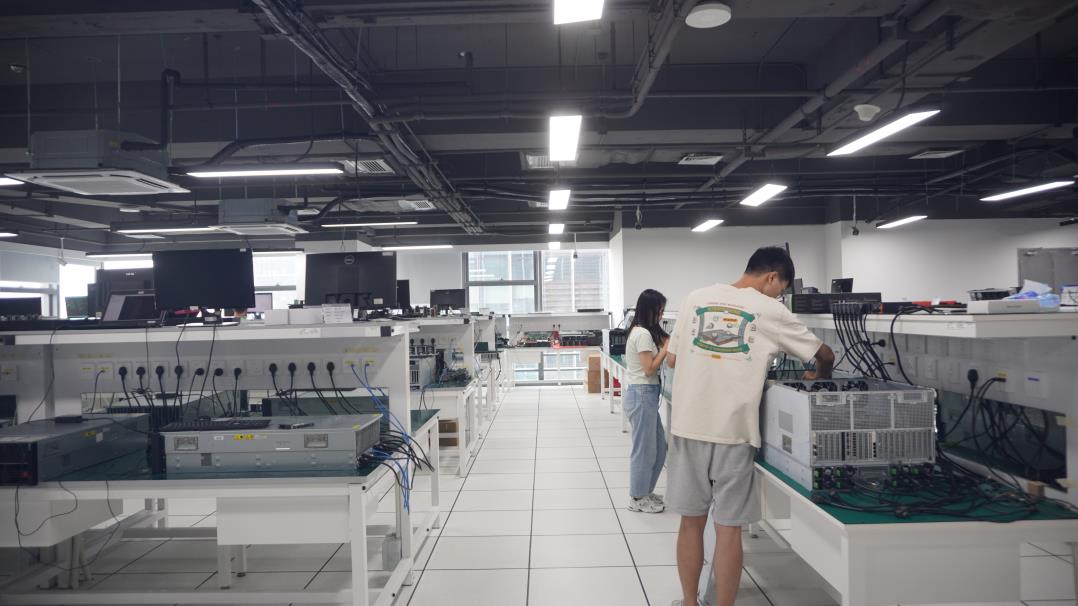
Our quality management system is rigorous: 100% performance testing, optical signal integrity testing, and high-temperature aging tests. With 45 dedicated QC engineers and a research team of 220, we ensure every RJ45 and SFP module meets the highest international benchmarks.


Utilizing Shielded RJ45 Female SMT connectors to prevent signal degradation near high-voltage robotic arms. Our connectors support the vibration-resistant requirements of DIN-rail mounted PLC systems.
Low-profile, high-density RJ45 jacks allow for compact blade server designs, enabling 10Gbps throughput at the network edge for real-time AI processing.
High-isolation RJ45 Magjacks ensure patient safety and data clarity in MRI and CT scanning equipment where electrical noise is a critical barrier.
As a leading supplier, we don't just provide off-the-shelf parts. We offer protocol-specific design optimization. For example, our PoE+ (Power over Ethernet Plus) connectors are designed with enhanced contact plating to prevent arcing during "unmating under load"—a common cause of failure in smart lighting and security camera installations.
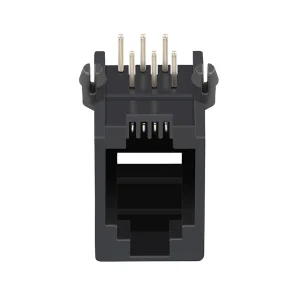
A standard RJ45 is a simple mechanical housing for copper contacts. A Magjack (Magnetic RJ45) integrates the Ethernet transformer, common mode chokes, and resistors inside the connector housing. This saves PCB space, improves EMI performance, and provides the necessary electrical isolation required by IEEE 802.3 standards.
In high-corrosion or high-cycle environments, gold plating thickness (measured in micro-inches, e.g., 30u", 50u") is vital. For export-grade connectors, we typically use 50u" gold plating on the contact area to prevent oxidation and ensure reliable connectivity over thousands of mating cycles.
Yes, our 10G Base-T RJ45 Female Connectors are designed to meet Cat6a specifications, which are backward compatible. However, to achieve 10Gbps over 100 meters, Cat6a or higher cabling is required. For shorter distances (up to 55m), Cat6 may suffice if the connector maintains strict impedance matching.
Absolutely. With 220 R&D engineers, WaveLink specializes in custom PCB footprints, including vertical, right-angle, and SMT configurations, tailored to your specific mechanical constraints and electrical requirements.
Expanding the Boundaries of High-Speed Data Transfer