WaveLink
WaveLink
WaveLink
High-Precision Compatible Transceivers for Telecom & Industrial Networks
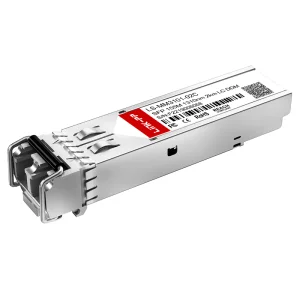
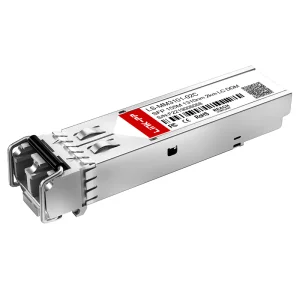
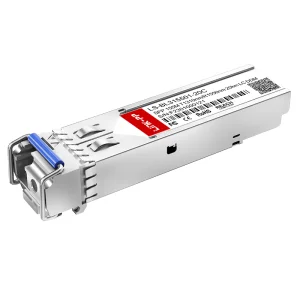
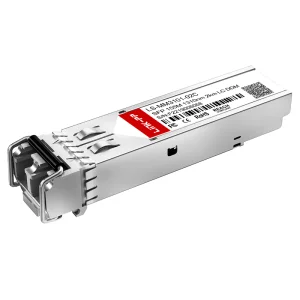
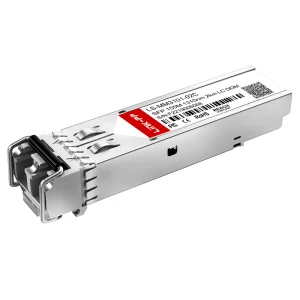
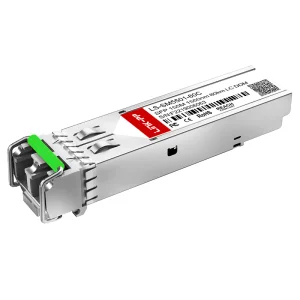
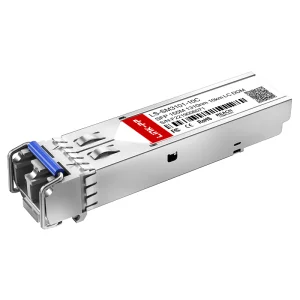
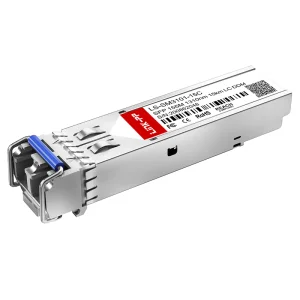
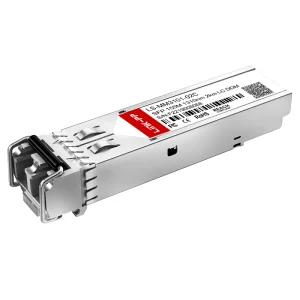
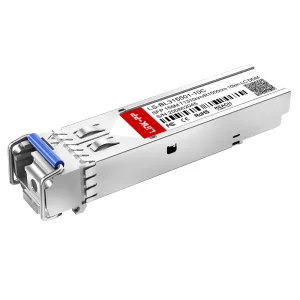
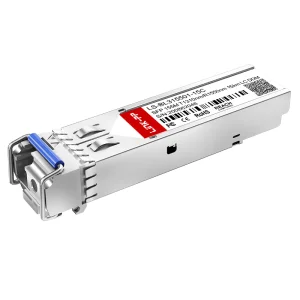
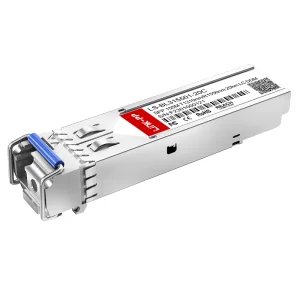
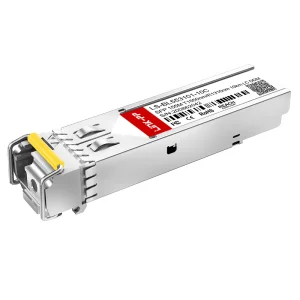
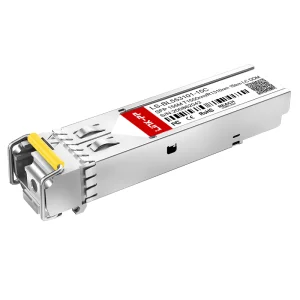
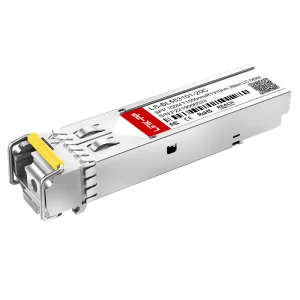
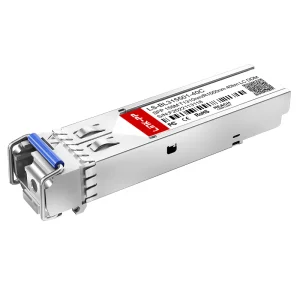
While the headlines in the optical communication industry are dominated by 400G and 800G breakthroughs, the backbone of global industrial automation, legacy telecommunications, and specific utility infrastructures remains firmly rooted in the reliability of 155M (STM-1/OC-3) and 622M (STM-4/OC-12) SFP modules. As a leading manufacturer, WaveLink Optoelectronics Co., Ltd. recognizes that these speeds are not just "legacy"—they are mission-critical components for environments where stability and power efficiency outweigh raw bandwidth.
The global market for 155M/622M SFP transceivers continues to see robust demand, particularly in the energy sector, railway signaling, and regional telecommunication backhaul. These modules offer the perfect balance of reach—often up to 80km or 120km—and low power consumption, making them indispensable for remote sensing and long-haul narrowband communication.
In 2024, the procurement of 155M/622M SFP modules is increasingly focused on compatibility and longevity. Organizations in North America and Europe are retrofitting existing SDH (Synchronous Digital Hierarchy) and SONET networks to extend their lifecycle, requiring modules that are 100% compatible with brands like Cisco, Hirschmann, and Moxa. Meanwhile, in Southeast Asia and the Middle East, these modules are the primary choice for new smart grid and oil/gas pipeline monitoring systems due to their cost-effectiveness and proven durability in harsh environments.
WaveLink operates a state-of-the-art 12,800㎡ facility in China, leveraging automated optical testing and digital calibration systems to ensure 99.99% signal integrity across all 155M/622M lines.
Our 45-engineer QC team performs 100% performance testing, including high-temperature aging tests and optical eye-diagram analysis, meeting rigorous international telecom standards.
By maintaining partnerships with 1,200+ upstream suppliers, we offer unmatched production scaling and a pricing structure that provides 30-50% cost savings compared to Western OEM brands.




Understanding the "Search Intent" of procurement managers involves identifying the specific environmental challenges they face. 155M/622M SFP modules are rarely used in climate-controlled server rooms today; instead, they are deployed in the field.
The trend is moving towards "Hardened" optics. As climate change leads to more extreme weather, the demand for Industrial Temperature (-40°C to +85°C) 155M SFPs has skyrocketed. Furthermore, there is a push for "Green Photonics"—reducing the idle power consumption of transceivers in massive IoT deployments. WaveLink is at the forefront of this, launching 180+ new models annually that focus on power efficiency and extended environmental resilience.
Expert insights into 155M/622M SFP Module Selection & Deployment
Extended Reach and Single-Fiber Efficiency for Modern Infrastructure