 WaveLink
WaveLink
WaveLink
Explore our high-performance optical interface modules, engineered for carrier-grade stability, long-distance reach, and complete compatibility.
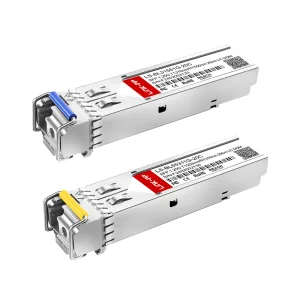 1310nm-TX/1550nm-RX Simplex LC Bidirectional Fiber Optic Transceivers Module Single Mode 1G Bidi SFP 20km
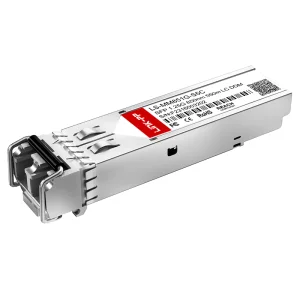 Multimode Dual LC Optical Transceiver MMF 850nm 1.25G SFP Fiber Optic Module 550m
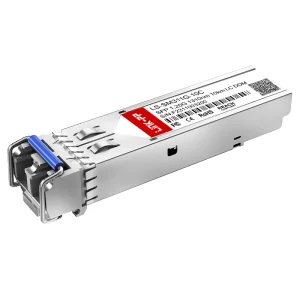 Duplex LC SMF Fiber Optic Transceiver Single Mode 1310nm 1.25G SFP Optical Module 10km
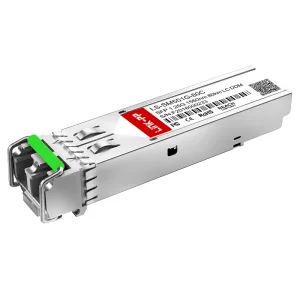 1000BASE-ZX Mini Gbic Fiber Optical Transceiver Single Mode 1550nm 1G SFP Module 80km
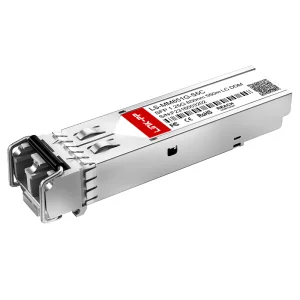 1000BASE-SX SFP Ethernet Module 850nm 550m Duplex LC MMF Fiber Optical Transceiver
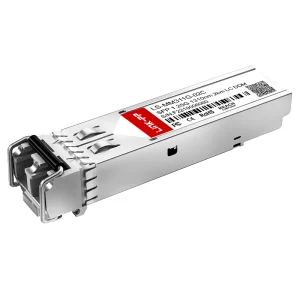 1000BASE-T SFP 1310nm 2km Duplex LC MMF Optical Fiber Transceiver Module
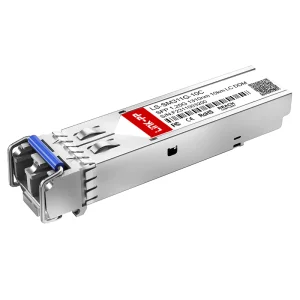 1000BASE-LX/LH SFP Module 1310nm 10km DOM Duplex LC SMF Optical Transceiver
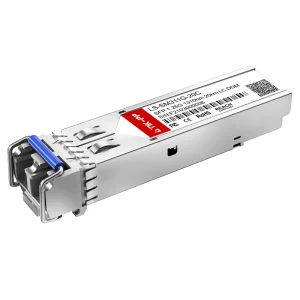 1000BASE-LX/LH SFP Transceiver 1310nm 20km Duplex LC SMF Optical Module
In the era of hyper-scale 100G, 400G, and emerging 800G optical links, the 1.25G SFP (Small Form-factor Pluggable) module remains an indispensable workhorse of global telecommunications and enterprise network edges. Far from being legacy components, these devices are essential building blocks for access networks, enterprise local area networks (LANs), FTTx deployments, smart grid controls, and industrial automation networks where bandwidth needs are balanced with extreme cost efficiency, power budget limits, and link-distance challenges.
Empowers fiber-to-the-home and fiber-to-the-building infrastructure, optimizing the last-mile aggregation loops with highly resilient bidirectional (BiDi) links.
Deploys hardier commercial- and industrial-grade transceiver variants designed to resist electromagnetic interference (EMI) and operate from -40°C to 85°C.
Forms the backbone of security cameras, access points, and remote building interconnections over legacy multimode (MMF) or single-mode (SMF) backbones.
Learn how WaveLink Optoelectronics Co., Ltd. builds elite optoelectronic hardware backed by over a decade of industry expertise.
WaveLink Optoelectronics Co., Ltd. is a professional manufacturer specializing in high-performance optical transceivers and fiber optic connectivity solutions for telecom and data center applications. Founded in 2016, WaveLink has built a strong reputation in the global optoelectronics industry with a modern production base covering approximately 12,800㎡. The company generates an annual export revenue of around USD 18 million, supported by 7 years of export experience and 12 years of overall industry expertise.
With a solid trade background in global B2B electronics export, WaveLink primarily serves markets in North America, Europe, Southeast Asia, and the Middle East. Our customer base includes telecom operators, data center providers, cloud service companies, and network equipment integrators.
Production Base
Annual Export Value
R&D Engineers
Dedicated QC Engineers
Our commitment to R&D is key to our strategy. In the past year, our team launched approximately 180 new product models, supported by a research team of around 220 engineers. This team continuously drives innovation in high-speed optical communication technologies. WaveLink demonstrates strong R&D capability with custom engineering support, OEM/ODM services, and protocol-specific design optimization options, ensuring our devices match perfectly with major global hardware vendor footprints.
Procuring optical transceivers from WaveLink in China yields structural advantages that go far beyond basic pricing. By locating our operations in the heart of China's advanced optoelectronics manufacturing corridor, we maintain partnerships with more than 1,200 upstream supply chain partners. This enables stable component sourcing, rapid scale-up capabilities, and fast delivery timelines.
Our raw material pipeline features robust agreements with laser diode (FP/DFB) and photodiode (PIN/APD) suppliers. This protects our clients from market shortages and keeps prices stable when demand spikes.
With 7 years of dedicated export experience, our team processes international shipping documentation efficiently. This minimizes delays and ensures smooth transit to destinations across North America, Europe, and the Middle East.
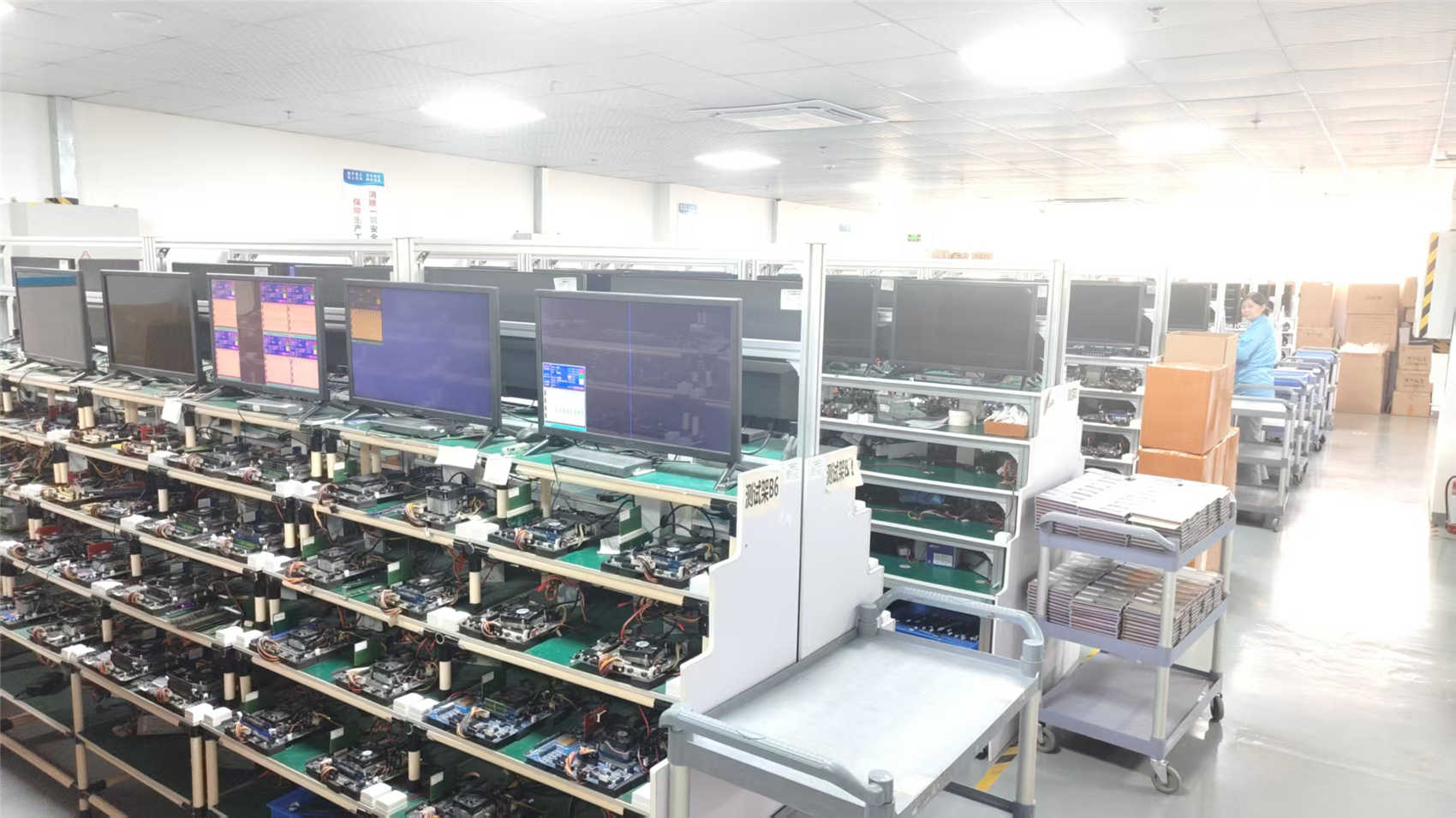
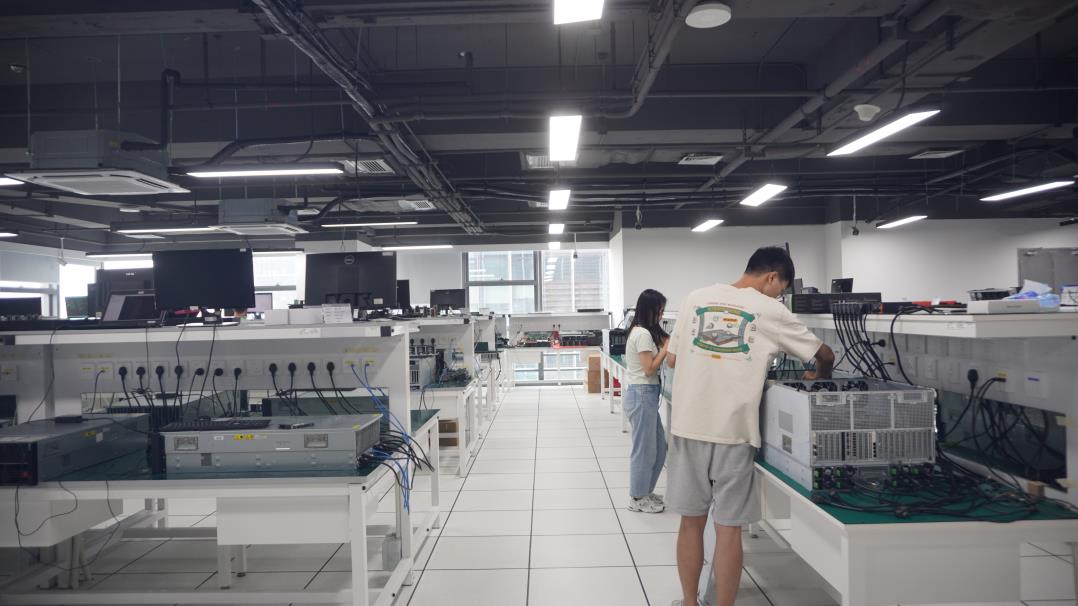
Reliability is critical for high-speed network components. To maintain this, WaveLink operates a strict quality management system. This includes 100% performance testing, optical signal integrity testing, and high-temperature aging tests. Our product inspection methods feature automated optical testing, manual visual inspection, and real-time digital calibration systems. A quality control team of 45 dedicated QC engineers ensures product stability and compliance with international standards.


Use the reference table below to select the right optical interface for your network range and fiber type.
| Standard Type | Wavelength (Tx/Rx) | Fiber Type | Max Distance | Connector Interface | Digital DOM Support |
|---|---|---|---|---|---|
| 1000BASE-SX | 850nm / 850nm | Multimode (MMF) | 550m | Duplex LC | Optional / Standard |
| 1000BASE-LX/LH | 1310nm / 1310nm | Single-Mode (SMF) | 10km / 20km | Duplex LC | Standard |
| 1000BASE-EX | 1550nm / 1550nm | Single-Mode (SMF) | 40km | Duplex LC | Standard |
| 1000BASE-ZX | 1550nm / 1550nm | Single-Mode (SMF) | 80km / 100km | Duplex LC | Standard |
| 1000BASE-EZX | 1550nm / 1550nm | Single-Mode (SMF) | 120km / 160km | Duplex LC | Standard |
| 1G BiDi (WDM) | 1310nm-TX / 1550nm-RX | Single-Mode (SMF) | 20km to 80km | Simplex LC | Standard |
Optical networks deploy in various shapes and sizes. Our modules are designed to integrate seamlessly across these different setups:
Telecommunications operators in regions like Southeast Asia and Europe use our 1.25G BiDi SFP transceivers to double fiber capacity. Using single-fiber Wavelength Division Multiplexing (WDM) technology, these systems transmit and receive data on a single core, cutting fiber leasing costs in half.
High-definition CCTV and IP monitoring cameras require stable, continuous data feeds. Our 1000BASE-SX and LX transceivers connect remote security locations to central network storage without the signal degradation typical of copper wiring.
Private corporate networks deploy hundreds of 1.25G SFPs in top-of-rack switches. These support non-blocking gigabit distribution and serve as redundant links within server farm access layers.
Explore our specialized long-reach solutions, designed for distances from 40km to 160km.
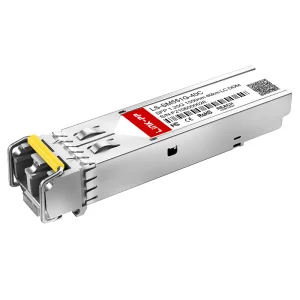 1000BASE-EX SFP 1550nm 40km Duplex LC SMF Fiber Optical Transceiver Module
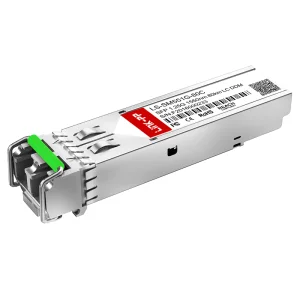 1000BASE-ZX SFP 1550nm 80km DOM Duplex LC SMF Optical Transceiver Module
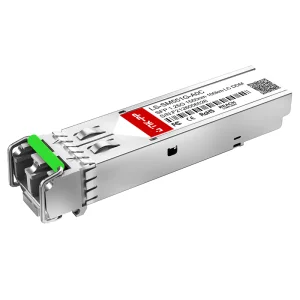 1000BASE-EZX SFP 1550nm 100km Duplex LC SMF Optical Transceiver Module
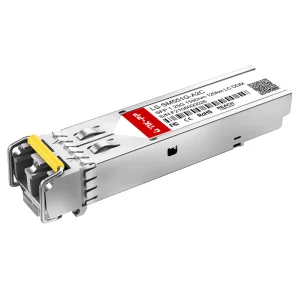 1000BASE-EZX SFP Transceiver 1550nm 120km DOM Duplex LC SMF Fiber Optical Module
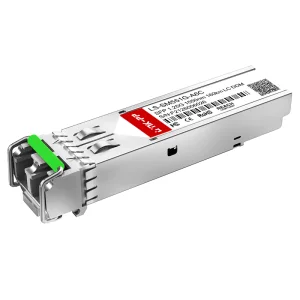 1000BASE-ZXC SFP Module 1550nm 160km Duplex LC SMF Fiber Optical Transceiver
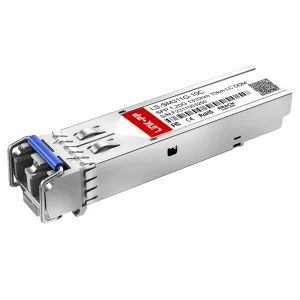 1000BASE-LX/LH SFP Transceiver 1310nm 10km DOM Duplex LC SMF 1.25G Optical Module
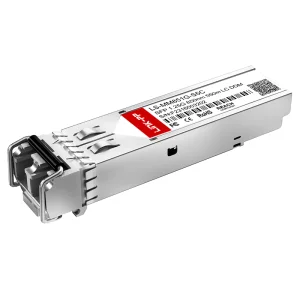 1000BASE-SX SFP 850nm 550m DOM Duplex LC MMF 1.25G Transceiver Module
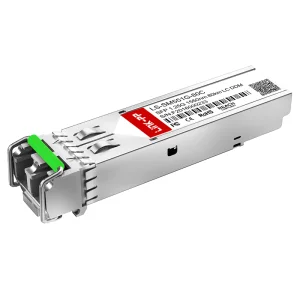 1000BASE-ZX SFP 1550nm 80km Duplex LC SMF 1.25G Optical Transceiver Module
Whether you need standard gigabit SFP modules, specialized long-distance links, or custom optical solutions, our engineering team is here to assist with your project specifications.