WaveLink
WaveLink
WaveLink
An enterprise-grade analysis of hybrid network topographies, copper-to-fiber integration architectures, and manufacturing standards.
As organizations globally scale their infrastructure to support high-throughput, low-latency applications like AI computation, cloud-edge synchronization, and industrial IoT (IIoT), the integration between legacy copper infrastructure and modern high-speed optical backbones has become a critical operational node. While optical transceivers deliver unmatched bandwidth over kilometers, RJ45 copper connections remain the standard for localized networking interfaces. The Ethernet media converter acts as the vital bridge, translating electrical copper signals into high-frequency optical waves without introducing transmission jitter or packet loss.
For network procurement directors, choosing a tier-1 manufacturing partner is not simply about acquiring hardware; it is about guaranteeing long-term network operational continuity. This whitepaper analyzes the manufacturing landscape, defining technical benchmarks, quality assurance paradigms, and structural trends that differentiate standard components from industrial-grade connectivity systems.
WaveLink Optoelectronics Co., Ltd. is a professional manufacturer specializing in high-performance optical transceivers and fiber optic connectivity solutions for telecom and data center applications.
Founded in 2016, WaveLink has built a strong reputation in the global optoelectronics industry with a modern production base covering approximately 12,800㎡. The company generates an annual export revenue of around USD 18 million, supported by 7 years of export experience and 12 years of overall industry expertise.
WaveLink operates a strict quality management system, including 100% performance testing, optical signal integrity testing, and high-temperature aging tests. Product inspection methods include automated optical testing, manual visual inspection, and real-time digital calibration systems. The quality control team consists of 45 dedicated QC engineers ensuring product stability and compliance with international standards.
With a solid trade background in global B2B electronics export, WaveLink primarily serves markets in North America, Europe, Southeast Asia, and the Middle East. The company maintains partnerships with more than 1,200 upstream supply chain partners, enabling stable component sourcing and fast production scaling.
Its customer base includes telecom operators, data center providers, cloud service companies, and network equipment integrators. WaveLink demonstrates strong R&D capability with custom engineering support, OEM/ODM services, and protocol-specific design optimization options. In the past year, the company launched approximately 180 new product models, supported by a research team of around 220 engineers, continuously driving innovation in high-speed optical communication technologies.
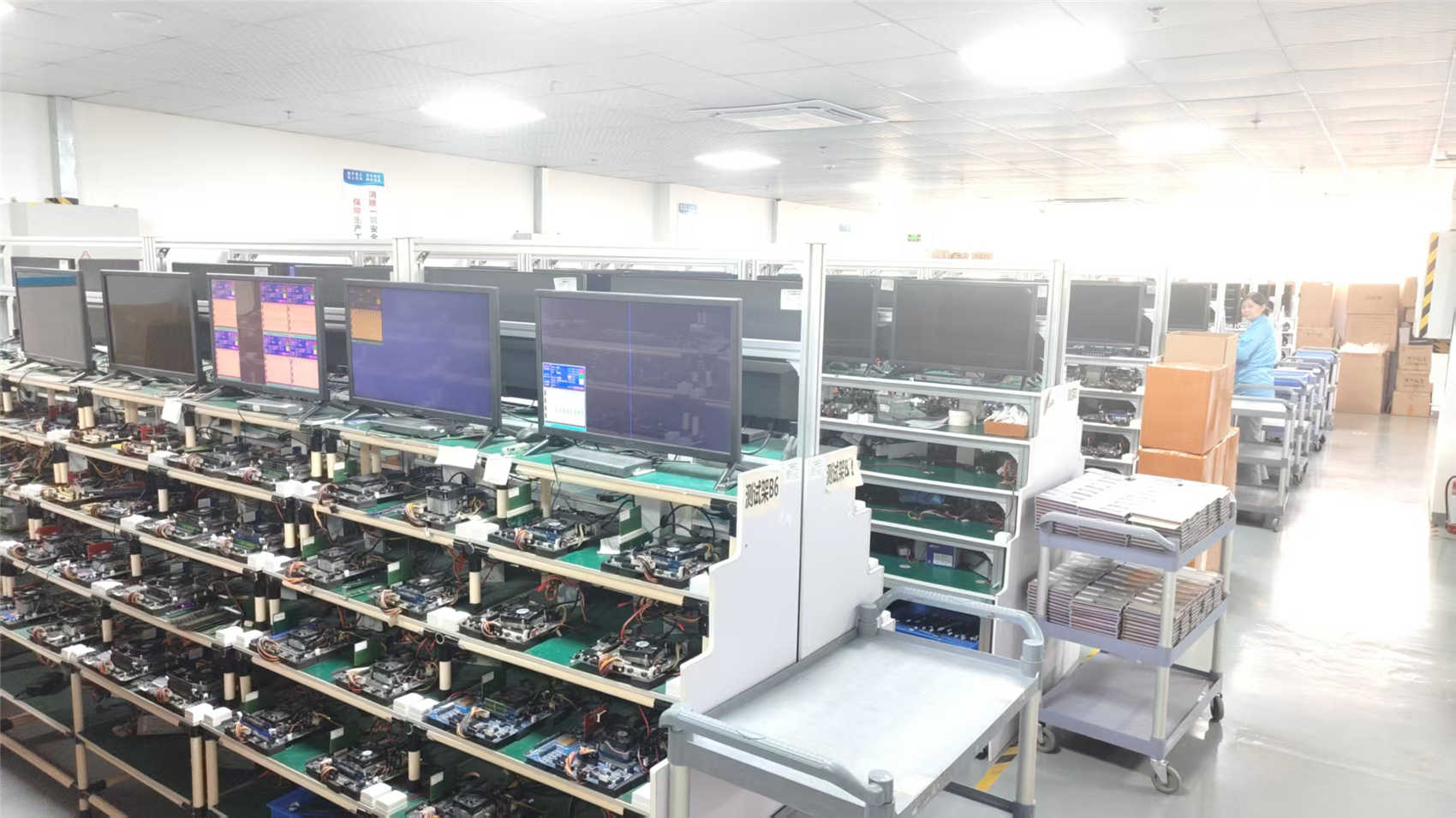


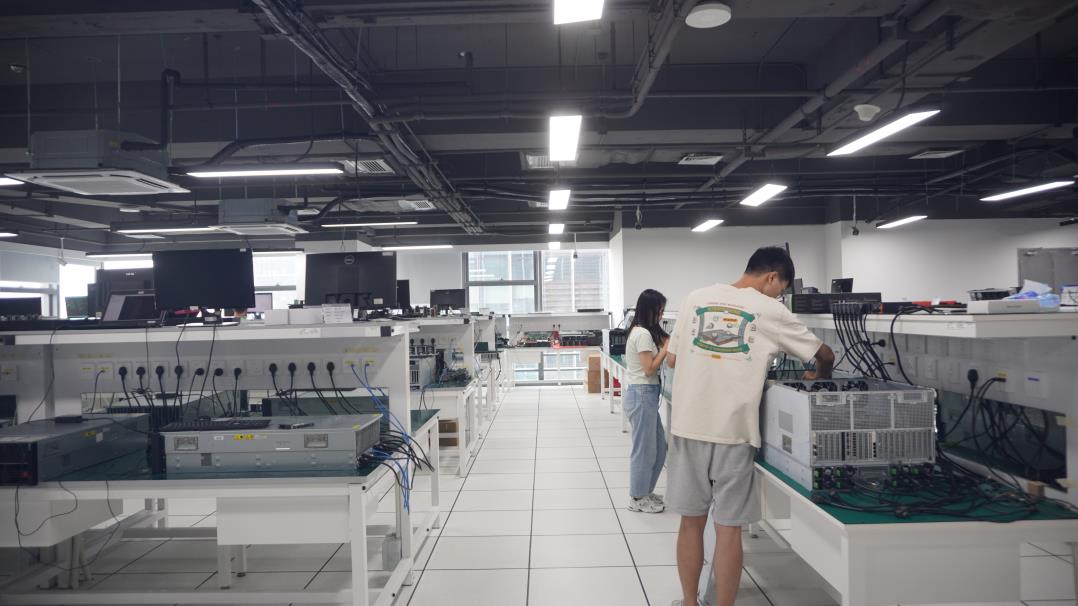
When selecting a manufacturing partner for mission-critical networking deployments, technical directors must look beyond price and analyze deep manufacturing capabilities.
Factories must utilize optical spectrum analyzers and high-speed oscilloscopes to measure eye patterns, jitter, and extinction ratios, ensuring minimum signal decay over extended distance spans.
Look for suppliers building equipment rated for standard (-10°C to 60°C) and true industrial (-40°C to 85°C) environments with fanless passive metal heat-sinks.
High-reliability factories design their PCBs with Level 4 ESD protection and 6kV surge immunity on the RJ45 ports to defend against outdoor atmospheric electrical events.
Top factories test hardware compatibility across a matrix of switches from Cisco, Juniper, Moxa, and Huawei to ensure protocol transparent forwarding and auto-negotiation.
Link Fault Pass-Through (LFPT) allows network administrators to instantly detect copper or optical fiber link breaks, notifying network control centers before outages escalate.
Industry-leading vendors maintain rigorous MES systems to track the batch numbers of critical components like transceiver chipsets, optical lasers, and LAN transformers.
| Parameter | Enterprise Standard Specification | Industrial Grade Specification | Sourcing Relevance / Impact |
|---|---|---|---|
| Operating Temp | 0°C to 50°C (Standard Desktop) | -40°C to 85°C (Hardened Fanless) | Prevents thermal runaways in non-climate-controlled remote locations. |
| Mean Time Between Failures (MTBF) | > 50,000 Hours | > 500,000 Hours (Telcordia SR-332) | Lowers operational cost (OPEX) by reducing repair and field service dispatches. |
| Link Fault Pass-Through (LFPT) | Optional / Not Configurable | Standard via DIP Switch Configuration | Crucial for managed switch networks to detect breaks and switch paths. |
| Power Redundancy | Single External AC-to-DC adapter | Dual redundant terminal block DC inputs | Guarantees continuous uptime during a primary power rail failure. |
| Electrostatic Discharge (ESD) | Contact 4kV / Air 8kV | Contact 8kV / Air 15kV (IEC 61000-4-2) | Vital for outdoor deployments near high-voltage lines. |
Deploying Media Conversion Architectures Across Diverse Verticals
The operational demand for converting optical signals to copper interfaces spans multiple industrial and commercial landscapes. By designing targeted hardware configurations, factories help operators overcome distance and environmental boundaries.
High-definition IP traffic cameras are typically installed several kilometers away from central command centers. Because standard Cat6 cables are limited to 100 meters, municipal engineers deploy industrial PoE+ media converters. The fiber backplane carries high-capacity data back to the city hub, while the converter provides the camera with 30W of power over copper, reducing overall cabling expenses.
Refineries require explosion-proof networking. The presence of flammable gases means electrical cables pose a potential spark hazard. Utilizing fiber optic cables for trunk lines dramatically reduces electrical risks. In these locations, specialized DIN-Rail converters housed in explosion-proof enclosures serve as interfaces to local instruments and SCADA devices.
Telecommunication operators must split and direct multi-gigabit fiber signals from Central Offices to copper-interfaced remote terminals. Here, managed chassis media converters allow administrators to track parameters like temperature, voltage, and signal loss remotely using SNMP, protecting consumer Service Level Agreements (SLAs).
Robotic welding stations and heavy machinery generate intense electromagnetic interference (EMI). Standard copper Ethernet signals frequently suffer packet corruption near these machines. Upgrading factory backbones to fiber avoids EMI, using local media converters to supply copper Ethernet only for the final drop to PLC controllers.
Analyzing key technology trends that will shape the next generation of physical layer connectivity systems.
Enabling converters to power power-hungry devices like pan-tilt-zoom cameras, building automation displays, and compact edge computer enclosures directly from the media converter.
Transitioning standard desktop/enterprise converter architectures to support Multi-Gigabit copper standards (2.5G/5G/10G) to match modern Wi-Fi 7 access points.
Integrating TSN hardware clock synchronization (IEEE 1588v2 PTP) into industrial media converters to support sub-microsecond latency requirements in robotics.
Deploying mini embedded chips to perform predictive link health checks, alerting system administrators of laser wear or fiber micro-cracks before failures happen.
Procuring network components globally demands adherence to complex regional regulatory and safety frameworks. Failure to comply can result in impounded customs shipments, severe financial penalties, and operational delays.
Every commercial media converter must carry CE (European Union) and FCC (United States) markings. For hazardous locations, certifications such as ATEX (Europe) and Class I Division 2 (CID2) are required to guarantee that internal circuitry cannot generate enough energy to ignite environmental fumes.
Modern factories must adhere strictly to RoHS (Restriction of Hazardous Substances) and REACH (Registration, Evaluation, Authorisation and Restriction of Chemicals) directives. Sourcing clean components prevents lead, cadmium, and mercury from ending up in industrial scrap piles.
For government, defense, and public infrastructure projects, products must meet TAA (Trade Agreements Act) regulations, verifying that final product assembly occurred in designated friendly nations. Tier-1 factories establish secondary assembly operations in regions like Southeast Asia, Central America, or Eastern Europe to guarantee uninterrupted deliveries regardless of geopolitical shifts.
Addressing crucial technical questions encountered by procurement professionals and engineering teams during the sourcing process.
Under normal operation, if a fiber cable cuts, a standard media converter might still maintain its local copper Link status on the connected switch. This tricks the routing protocol into sending data packets into a black hole. When LFPT is active, the converter detects the fiber drop and immediately drops the corresponding copper connection. This forces the adjacent switch to trigger redundancy routes (like Spanning Tree Protocol or OSPF) without delay.
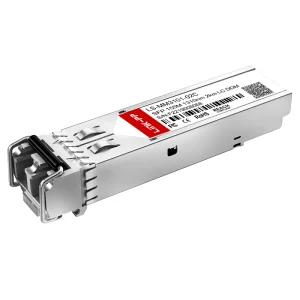
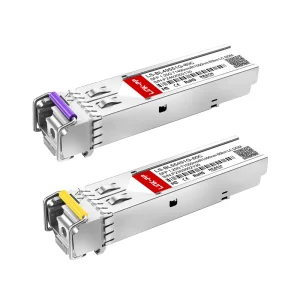
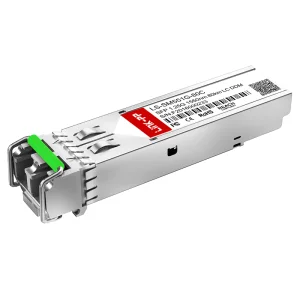
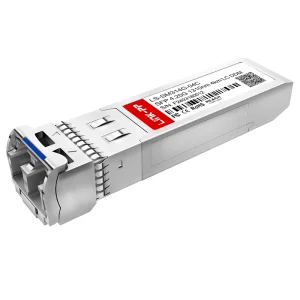
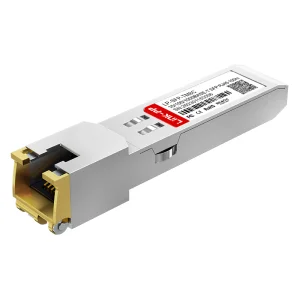
Fixed-fiber converters have integrated optical components (like SC or ST connectors) with preset wavelengths and ranges. SFP slot-based converters offer modular flexibility. They allow engineers to swap out the optical interface transceiver instantly, meaning the same media converter chassis can support 850nm Multimode at 550m, 1310nm Single Mode at 10km, or Bidirectional (BiDi) fibers, significantly reducing storage and inventory overhead.
Store-and-Forward converters read the entire data packet, run a CRC integrity check, and then forward the packet. This ensures zero corrupt packets traverse the network, but introduces slight latency. Cut-Through converters forward the packet immediately upon receiving the destination address header. This ensures ultra-low latency, making them perfect for high-speed industrial motion control and financial transaction setups.
Managed media converters should support SNMP (v1, v2c, and v3) for secure remote access. Critical telemetry parameters include Digital Diagnostics Monitoring (DDM), which reports optical input/output power levels, module temperature, supply voltage, and laser bias current, allowing operators to predict component failure before downtime occurs.