WaveLink
WaveLink
WaveLink
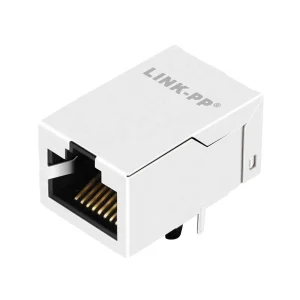
The global digital transformation is accelerating at an unprecedented pace, driven by 5G enterprise setups, IoT sensor expansions, and massive hyper-scale cloud deployments. At the bedrock of this infrastructure lies the physical layer, where transmission stability, latency, and throughput are fundamentally determined. Within this dynamic space, the RJ45 compression connector has evolved from a standard modular jack into a precision-engineered optoelectronic and copper interface designed for high-density, harsh-environment applications.
In traditional cabling deployments, terminating field connections has consistently introduced latency anomalies, variable contact resistance, and return loss issues. Modern industrial facilities, intelligence-driven data complexes, and metropolitan telecommunication structures require high-integrity connections that can withstand vibrations, extreme temperatures, and radiofrequency interference (RFI). This is where custom compression and magnetic integration technologies provide critical structural improvements.
“Field reliability metrics prove that standardized RJ45 compression termination systems reduce insertion loss variability by up to 34% compared to traditional tool-less crimp options under structural temperature fluctuations.”
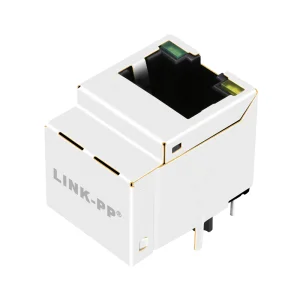
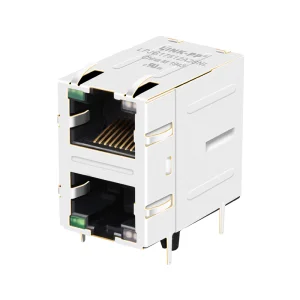
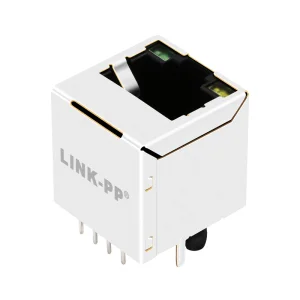
Globally, telecom system builders and data managers are shifting away from general-purpose, generic components in favor of specialized, site-calibrated OEM/ODM connector designs. Industrial-grade RJ45 components must incorporate features like electromagnetic compatibility (EMC) shielding, integrated magnetics (MagJacks) for noise filtration, and reliable Power over Ethernet (PoE/PoE+/PoE++) compatibility. This trend is driving specialized component vendors to invest heavily in signal simulation, automated pin gold-plating, and advanced injection molding techniques.
As a leading supplier in the optoelectronic and structural connectivity sector, WaveLink Optoelectronics Co., Ltd. plays a key role in this technical landscape. By combining high-speed optical transceivers with robust copper RJ45 interfaces, WaveLink meets the diverse requirements of modern telecommunication frameworks and enterprise infrastructures.
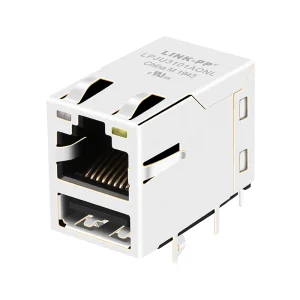
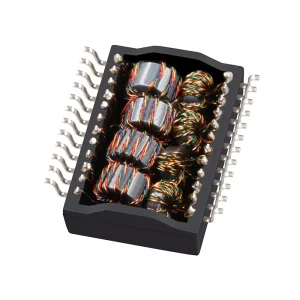
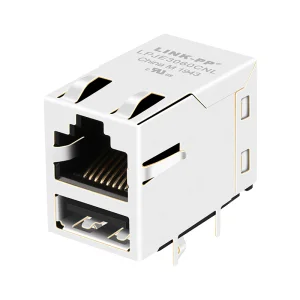
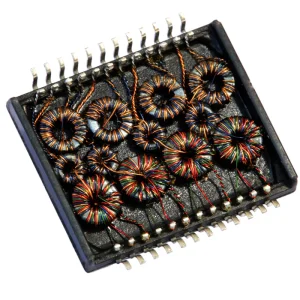
Combines RJ45 jacks with noise-filtering magnetics to improve Signal-to-Noise Ratio (SNR) and shield against electromagnetic interference (EMI).
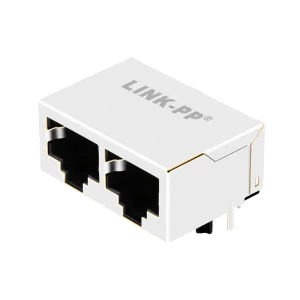
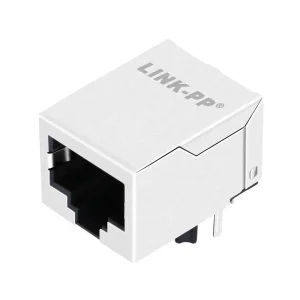
Utilizes precision DIP and selective gold-plating thicknesses (up to 50μ") to prevent corrosion and sustain insertion life cycles beyond 750 matings.
Engineered to align seamlessly with multi-gigabit interfaces, bridging the gap between fiber-optic core systems and copper local area nodes.
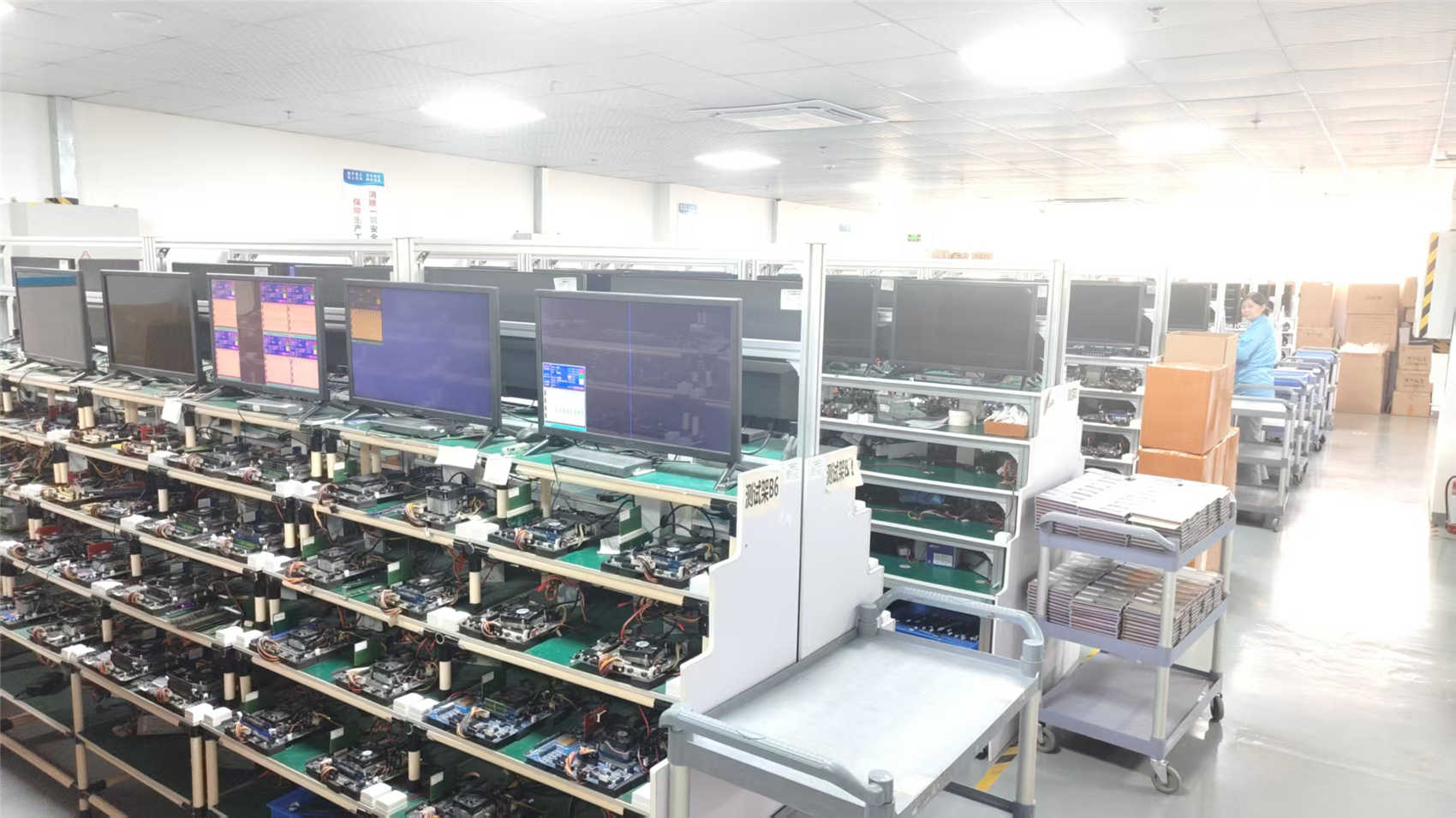
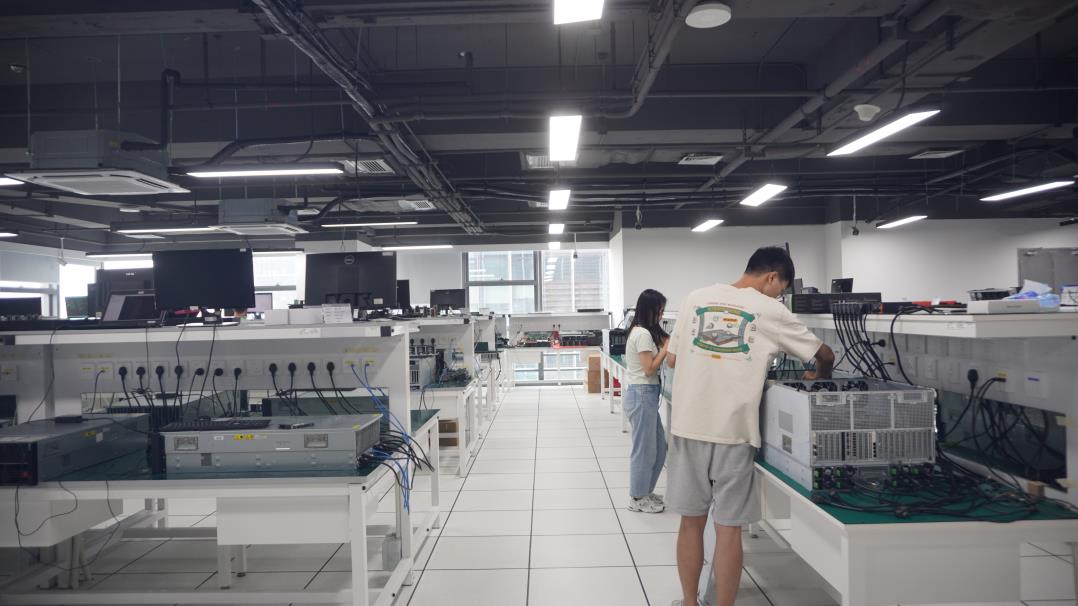
In high-frequency communication manufacturing, authority and reliability are defined by precision production control, validated engineering resources, and strict quality assurance. Established in 2016, WaveLink Optoelectronics Co., Ltd. has grown into a major manufacturer in the optoelectronics and connectivity industry. Operating a modern production facility of 12,800㎡, we combine advanced manufacturing technologies with an experienced engineering team. We back our products with 7 years of B2B export experience and 12 years of core industry expertise, ensuring our components perform reliably in critical infrastructures worldwide.
Our quality management workflow is designed to prevent defects and maintain signal integrity. Every single component undergoes a multi-phase validation process: 100% performance testing, optical signal integrity testing, and high-temperature aging tests. Our physical inspection process utilizes automated optical testing (AOI), digital visual calibration, and manual structural checks to ensure compliance with global telecommunication standards. With a supply network of over 1,200 upstream partners, we ensure material traceability and maintain stable manufacturing lead times, even during market fluctuations.


As corporate IT setups transition to 2.5GBASE-T, 5GBASE-T, and 10GBASE-T networks, traditional RJ45 connectors face high-frequency limits. The primary trend focuses on minimizing crosstalk (NEXT/FEXT) and maximizing return loss efficiency up to 500 MHz and 2000 MHz (for Category 8 channels). Compression termination systems play a key role here by minimizing wire-pair untwisting during assembly, keeping crosstalk to a minimum.
Simultaneously, the widespread adoption of IoT and smart building technologies requires connectors that support PoE++ (IEEE 802.3bt Type 4), delivering up to 90W/100W of DC power over four copper pairs. Connectors must be designed to mitigate spark-arcing damage during hot-unplugging, ensuring long-term contact reliability under load.
In North American markets, data centers prioritize high density and fast field deployment. System integrators favor pre-terminated, modular keystone systems and custom optical/copper hybrid modules that reduce installation labor and costs.
In Europe, electromagnetic compatibility (EMC) regulations are strict, making fully shielded (STP) Cat6A and Cat7 systems the standard. WaveLink's shielded RJ45 components with integrated ESD protection are specifically engineered to comply with these rigorous regional requirements.
In Southeast Asia and the Middle East, environmental conditions like high humidity and high temperatures require corrosion-resistant, robust connectors. Heavy gold-plating (50μ") and dust-sealed, rugged compression interfaces are essential for outdoor telecom cabinets, edge-computing stations, and industrial process facilities.
The boundary between pure copper networks and fiber-optic backbones continues to narrow. Modern system architectures require smooth, low-latency transitions between these two mediums. WaveLink’s product development roadmap focuses on addressing this integration through key engineering advancements:
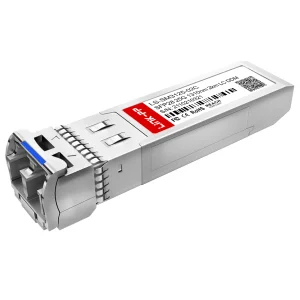
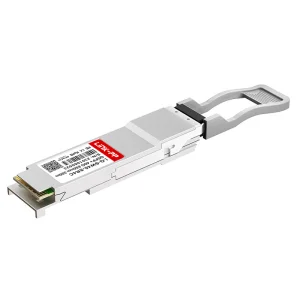
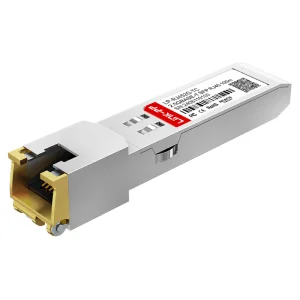
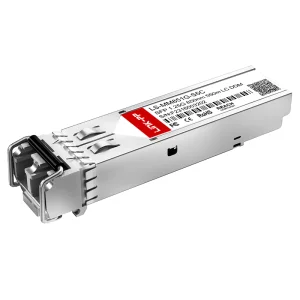
Developing low-power SFP-to-RJ45 transceivers that enable 10G speeds over existing Category 6A copper runs up to 30 meters.
Transitioning to halogen-free, RoHS-compliant plastics and high-grade recyclable polycarbonates that maintain high flame-retardant performance (UL94 V-0).
Introducing custom hand tools and pneumatic benches to simplify the compression crimping process, eliminating manual errors in field terminations.
Looking ahead, we are expanding our custom designs to integrate micro-transformers directly onto SMT connector bases. This helps reduce PCB footprint requirements on customer carrier boards while improving electrostatic discharge (ESD) immunity. As global data volume continues to grow, WaveLink is committed to supplying reliable, high-performance physical connection points for both optical and copper networks.
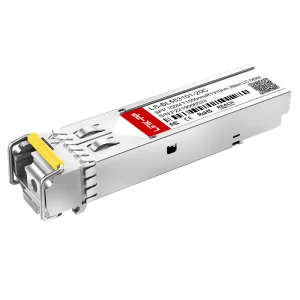
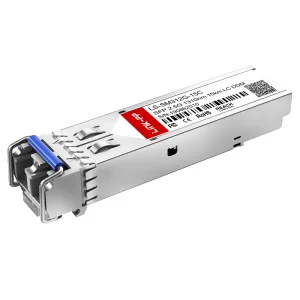
Modern enterprise networks rely on a mix of different hardware technologies. A typical mid-to-large deployment requires clean coordination between core fiber switches and copper-based edge devices. To address this, WaveLink provides integrated solutions that combine high-speed optical transceivers with robust copper RJ45 interfaces, ensuring stable and efficient data transmission across the network.
For example, in a multi-floor facility, fiber optic modules are used for high-bandwidth backbone runs, while RJ45 copper connections route data from local switches to PoE devices like wireless access points, IP surveillance cameras, and VoIP systems. Designing these connections with quality components helps prevent signal bottlenecks and reduces maintenance overhead.
In addition, our OEM/ODM design capabilities allow us to develop custom connection interfaces to meet specific client needs. Whether it is adjusting PCB mount angles, adding specific magnetic filter profiles, or optimizing shell dimensions for dense switch blades, our engineering team works closely with clients to deliver tailored connectivity hardware.
By managing both the optical and copper layers of the connection infrastructure, WaveLink helps network architects simplify their procurement process, ensure component compatibility, and build networks that are ready for future speed upgrades.