WaveLink
WaveLink
WaveLink
Precision engineered electro-optical converters and physical layers designed to meet the rigorous benchmarks of modern telecom and enterprise networks.
The global telecommunication landscape is undergoing a massive shift from traditional physical interfaces to high-speed, software-defined optical layers. Modern networks demand more than just standard modular components; they require reliable, low-latency, and highly integrated interconnect matrices. As a leading OEM/ODM Fiber Optic Connector Supplier, WaveLink Optoelectronics Co., Ltd. sits at the heart of this technological shift, bridging the gap between raw optical transceiver manufacturing and custom-engineered interconnect assemblies.
Modern connectivity is defined not only by speed but by signal integrity. From LC duplex assemblies to high-density MTP/MPO interfaces, matching optical transceiver chips with customized structural physical housing is critical. Custom packaging mitigates optical insertion loss (IL) and optimizes return loss (RL), meeting the strict standards required for multi-channel PAM4 transmission and coherent communication architectures.
This whitepaper details the technical advantages, sourcing options, and supply chain efficiencies that global infrastructure buyers must consider. By choosing an experienced partner, network engineers, operators, and cloud system integrators can ensure long-term deployment stability and reduce operational risk (OPEX).
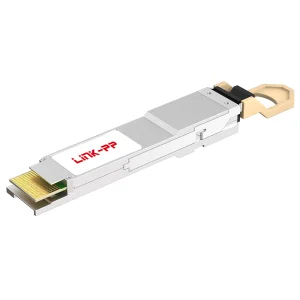
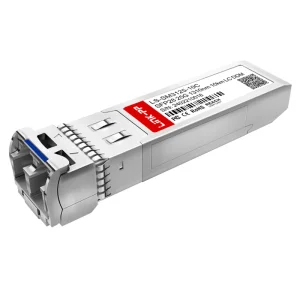
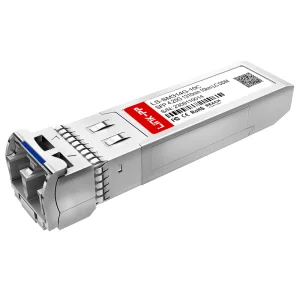
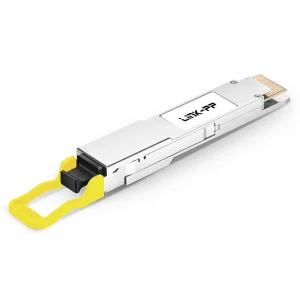
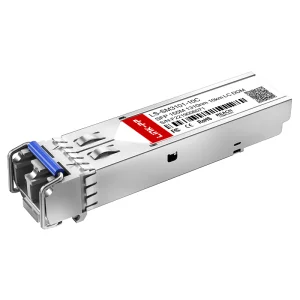
Production of optical transceivers from 10G/25G SFP28 up to 400G/800G QSFP-DD, featuring custom firmware optimization and broad compatibility with major switches.
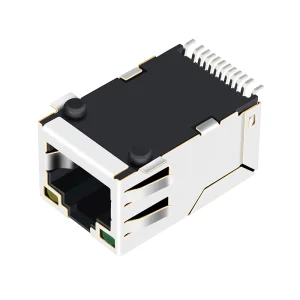
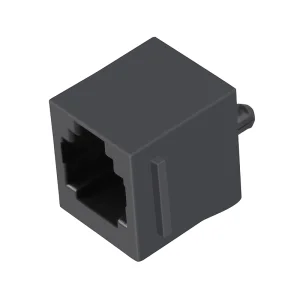
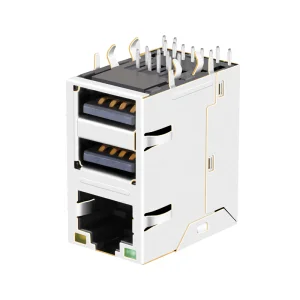
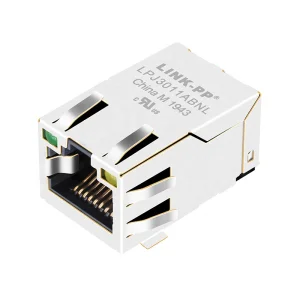
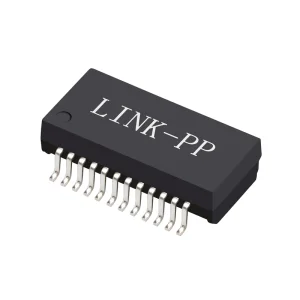
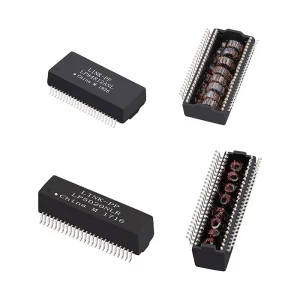
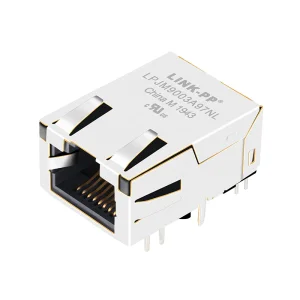
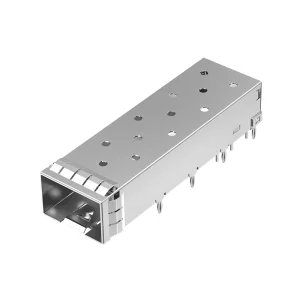
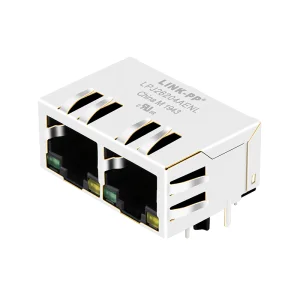
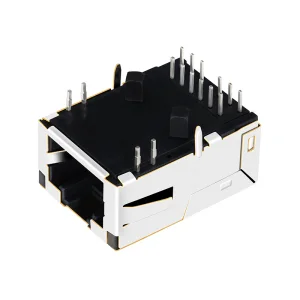
Magnetic RJ45 ports with integrated PoE/PoE+, SFP+ cages, and high-performance tab-up structures designed to reduce electromagnetic interference (EMI).
Complete lifecycle development, from prototyping to mechanical design and validation, tailored to fit unique physical spaces and complex environments.
Off-the-shelf physical interfaces often fail to meet the performance demands of specialized applications, such as medical systems, naval communications, and complex industrial networks. WaveLink handles these challenges by offering flexible OEM and ODM services. We customize signal paths, enclosure designs, and thermal solutions to help clients address unique network constraints.
Our engineering team works closely with global system integrators to adapt optical components to specific environments. We modify key parameters, such as coupling configurations, digital diagnostic monitoring (DDM) interfaces, and fiber jackets (LSZH, plenum, or armored). This ensures our products integrate smoothly into existing hardware and meet the physical and electrical demands of the application.
Modify internal optical chip registers for compatibility with Cisco, Juniper, Arista, and Huawei platforms.
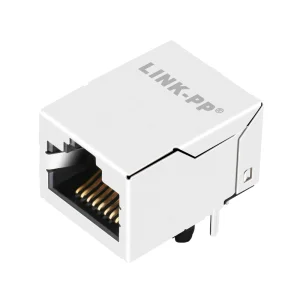
Low-profile RJ45 magnetic jacks and specialized multi-port cage assemblies designed to maximize rack space.
IP67-rated outer shells and custom metal shielding to protect against corrosion, moisture, and EMI in industrial settings.
Based in China's key electronics manufacturing hub, WaveLink delivers reliable scaling, strict cost control, and efficient production to the global market.
Founded in 2016, WaveLink has built a strong reputation in the global optoelectronics industry with a modern production base covering approximately 12,800㎡. The company generates an annual export revenue of around USD 18 million, supported by 7 years of export experience and 12 years of overall industry expertise.
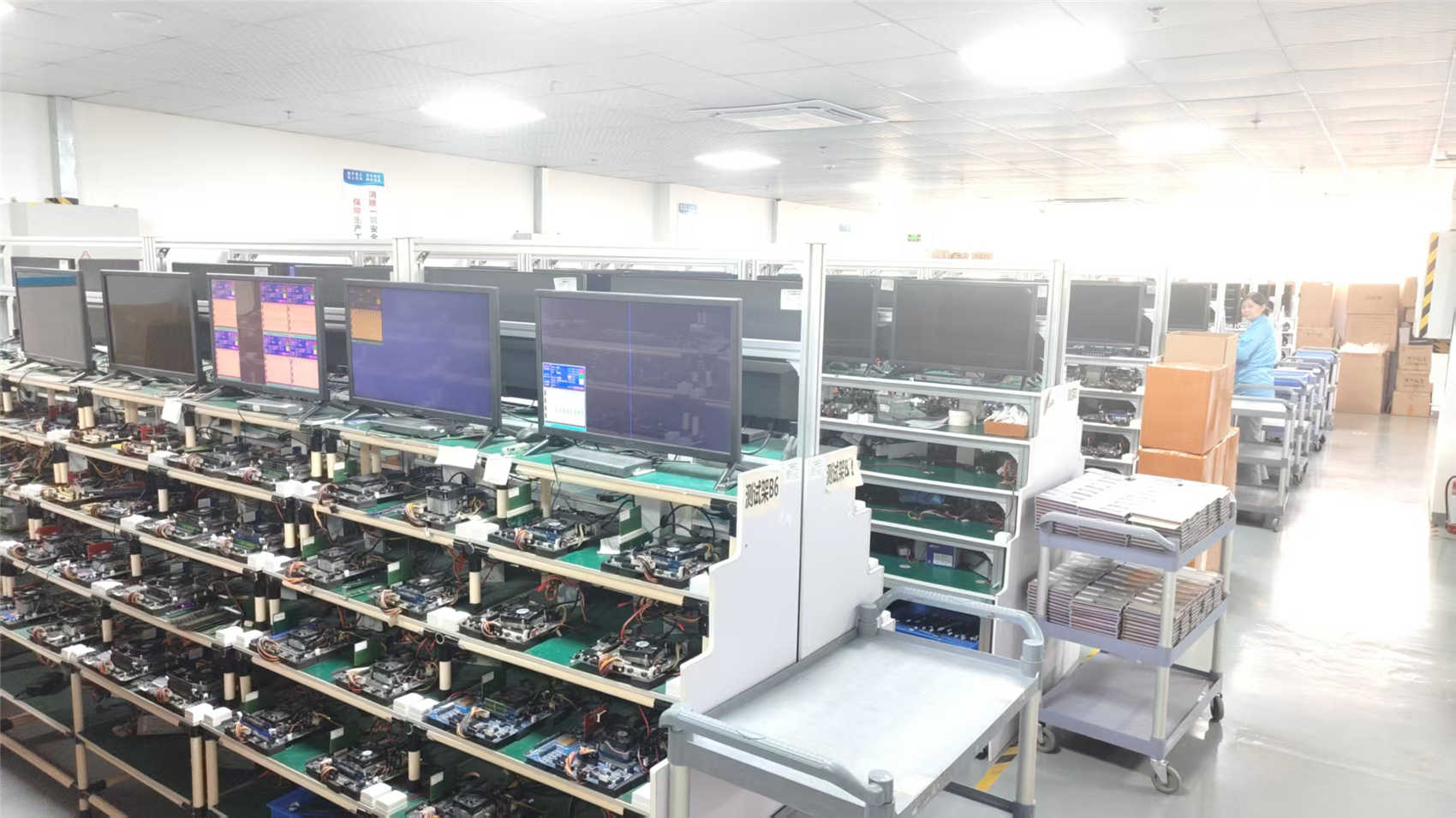
Our facility features automated assembly lines, high-precision chip alignment systems, and cleanroom environments. This setup allows us to keep production stable while maintaining high yield rates. By working with over 1,200 upstream supply chain partners, we secure reliable access to raw components, helping to protect clients from raw material shortages and sudden price changes.
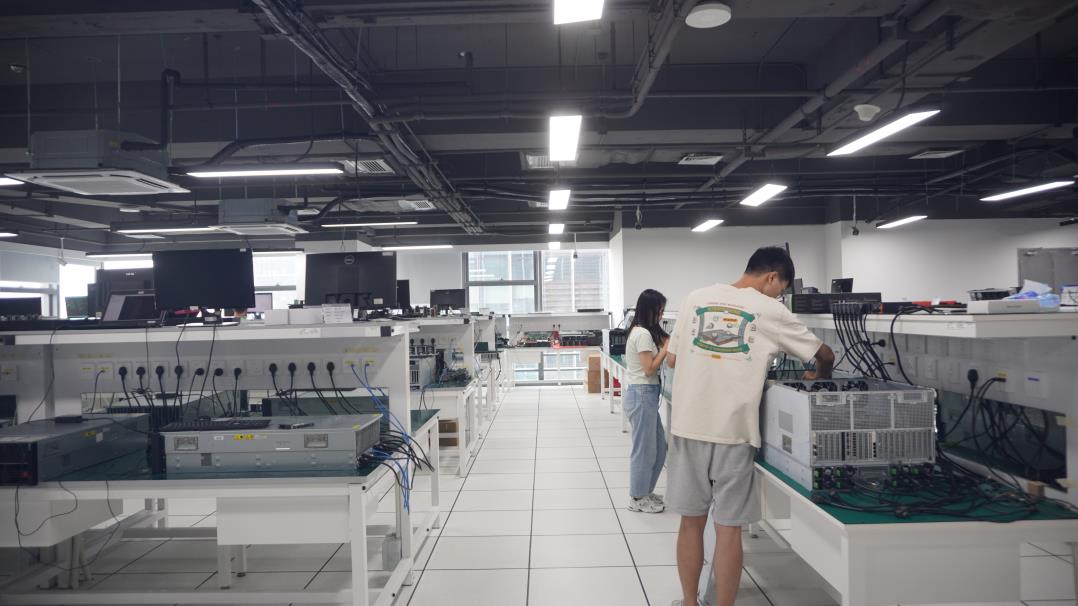
Reliable network performance depends on the quality of its connections. To prevent field failures, WaveLink runs a strict quality management system. This process includes 100% performance testing, optical signal integrity testing, and high-temperature aging tests. Our inspection methods combine automated optical testing, manual visual inspection, and real-time digital calibration systems to ensure every transceiver and connector matches its technical specifications.
Our quality control team includes 45 dedicated QC engineers. They monitor production from raw material inspection through to final packaging. This careful oversight ensures that our products comply with international standards and maintain consistent performance in high-speed, high-density environments.


Global logistics and regulatory compliance are essential for modern telecommunications projects. Enterprise buyers, cloud service providers, and telecom operators need to know that their hardware partners comply with regional environmental and safety regulations. WaveLink sells to markets across North America, Europe, Southeast Asia, and the Middle East, ensuring all products meet the required local standards.
All products are RoHS, REACH, and CE/FCC certified, ensuring compliance with global environmental regulations and electronic safety standards.
Customs documentation, accurate HS code declarations, and support for free trade agreements (FTAs) to help manage import duties.
Partnerships with global logistics networks enable air, sea, and express delivery options, helping to secure consistent transit timelines.
Our support services go beyond manufacturing. We provide comprehensive tracking and validation documentation for high-volume deployments. From the initial optical time-domain reflectometer (OTDR) tests to regional customs clearance papers, our team handles the logistics details to ensure the hardware arrives on time and ready for installation.
How our components operate within the environments of modern computing, enterprise IT, and cellular backhaul architectures.
The growth of AI training clusters requires high-density optical connections. Transceivers like the 400G QSFP-DD SR8 and 400G DR4 supply the broad bandwidth needed to support large, high-volume parallel computing operations.
To provide high data speeds to end users, telecom networks rely on robust 25G SFP28 and SFP+ modules. These modules are built to deliver consistent performance over long distances and under varied outdoor temperature ranges.
Local networks require reliable copper-to-fiber integration. Shielded SMT RJ45 magnetic connectors and low-profile SFP+ cages provide clean, EMI-protected signals for server racks and network switches.
Answers to common technical, logistics, and customization questions about our optical modules and connectors.
Our optical transceivers are configured with brand-specific EEPROM code. We maintain a compatibility testing lab containing switches, routers, and network devices from major brands like Cisco, Juniper, Arista, and HPE. This lets us verify firmware compatibility and diagnostic performance before shipping.
Standard design modifications generally take 2 to 3 weeks for prototyping. Full custom ODM designs, which include new printed circuit boards (PCBs) or structural housings, take 6 to 8 weeks. This timeline includes prototyping, validation testing, and compliance checks.
We use high-grade ceramic ferrules and automated polishing machines to control insertion loss. Every cable assembly undergoes automated visual inspection and testing for insertion and return loss. Our multi-mode fibers typically maintain an insertion loss below 0.2dB, which exceeds standard industry benchmarks.
Yes, we offer shielded RJ45 connectors with integrated magnetics and EMI metal fingers. These components are designed to block electromagnetic interference and provide ESD protection, making them suitable for industrial machinery and dense data center racks.
We work with over 1,200 upstream partners to secure consistent supply lines for critical components like laser diodes, photodetectors, and ceramic ferrules. We also keep a safety stock of key raw materials to insulate our production lines from temporary market shortages.
Explore more of our active transceivers, low-profile magnetic jacks, and EMI-shielded cage assemblies.