WaveLink
WaveLink
WaveLink
In the era of hyper-connected smart enterprises, the performance of a Wireless Access Point (WAP) is fundamentally capped by the physical layer connections routing data to the core network. A wireless network is only as fast as its backhaul interface. As the global transition toward Wi-Fi 6E and Wi-Fi 7 accelerates, enterprise WAPs are demanding high-speed uplinks that exceed the limits of traditional copper Ethernet ports. The integration of 10G SFP+ optical transceivers, multi-gigabit PoE RJ45 connectors, and EMI-shielded modular jacks within modern WAP design has become a necessity for enterprise networks worldwide.
As a leading pioneer in high-speed optical communications and component manufacturing, WaveLink Optoelectronics Co., Ltd. plays a vital role in this ecosystem. Founded in 2016, WaveLink specializes in manufacturing high-performance optical transceivers and fiber optic connectivity solutions, which act as the backbone for industrial, commercial, and enterprise WAPs. By providing high-density SFP+ cages, PoE-enabled Cat5e/Cat6 connectors, and low-latency transceivers, WaveLink enables wireless hardware brands to scale their hardware design to meet strict bandwidth, power-over-Ethernet (PoE), and thermal criteria.
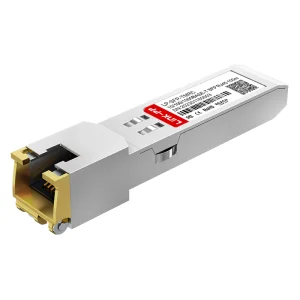
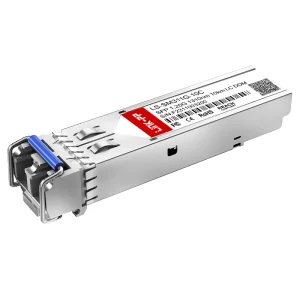
Historically, a 1Gbps copper link was sufficient for wireless coverage. Today, a single Wi-Fi 7 access point utilizing 320MHz channel widths can deliver aggregated wireless throughput exceeding 40Gbps. To prevent bottlenecks, modern WAP infrastructure relies heavily on multi-gigabit copper connections (such as 2.5G/5G/10G Base-T RJ45 with PoE+) and direct fiber-to-the-AP uplinks using SFP+ modules. Ensuring reliable electrical contact, signal integrity, and robust thermal dissipation at these ports is critical to preventing network packet loss and hardware degradation.
Global IT procurement managers, telecom operators, and system integrators have shifted their evaluation metrics when sourcing hardware for wireless infrastructure. Key considerations have evolved beyond initial unit cost, focusing heavily on long-term stability, standards compliance, and supply chain resilience:
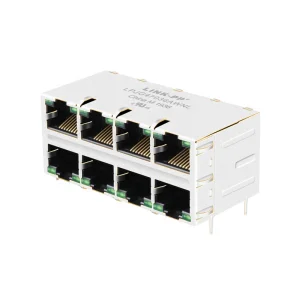
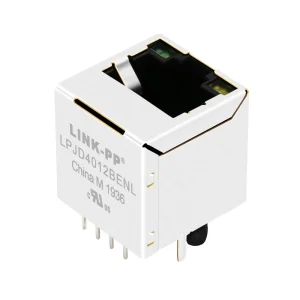
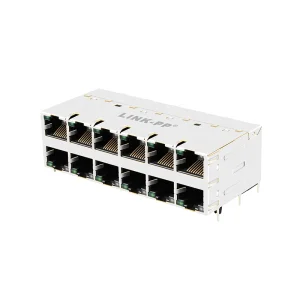
Modern access points rely on Power over Ethernet (PoE/PoE+/PoE++) to simplify deployment. Buyers actively source integrated connector jacks that support up to 2.5G/5G/10G Base-T speeds while carrying up to 90W of electrical power. WaveLink's advanced multi-port PoE connectors are engineered to minimize cross-talk and Insertion Loss under heavy electrical and thermal load.
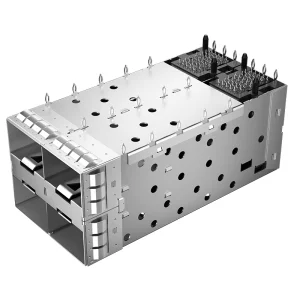
High-density deployment environments suffer from massive radiofrequency and electromagnetic interference. Standard connectors often act as antennas for noise, degrading SNR. The inclusion of high-quality metal shielded SFP+ cages and RJ45 modular jacks with integrated magnetic components helps shield high-speed digital pathways from external noise.
Industrial IoT and outdoor municipal networks deploy WAPs in non-climate-controlled environments. Connectors must withstand wide temperature swings (-40°C to +85°C), vibration, and moisture. The reliance on heavy duty industrial RJ45 connectors with strict mechanical latches ensures continuous network uptime.
As the primary production hub for global communication equipment, Chinese manufacturing has transitioned from simple assembly to high-precision engineering under the "Factory 4.0" paradigm. This shift focuses on integrated supply chains, end-to-end automation, and deep quality tracing.
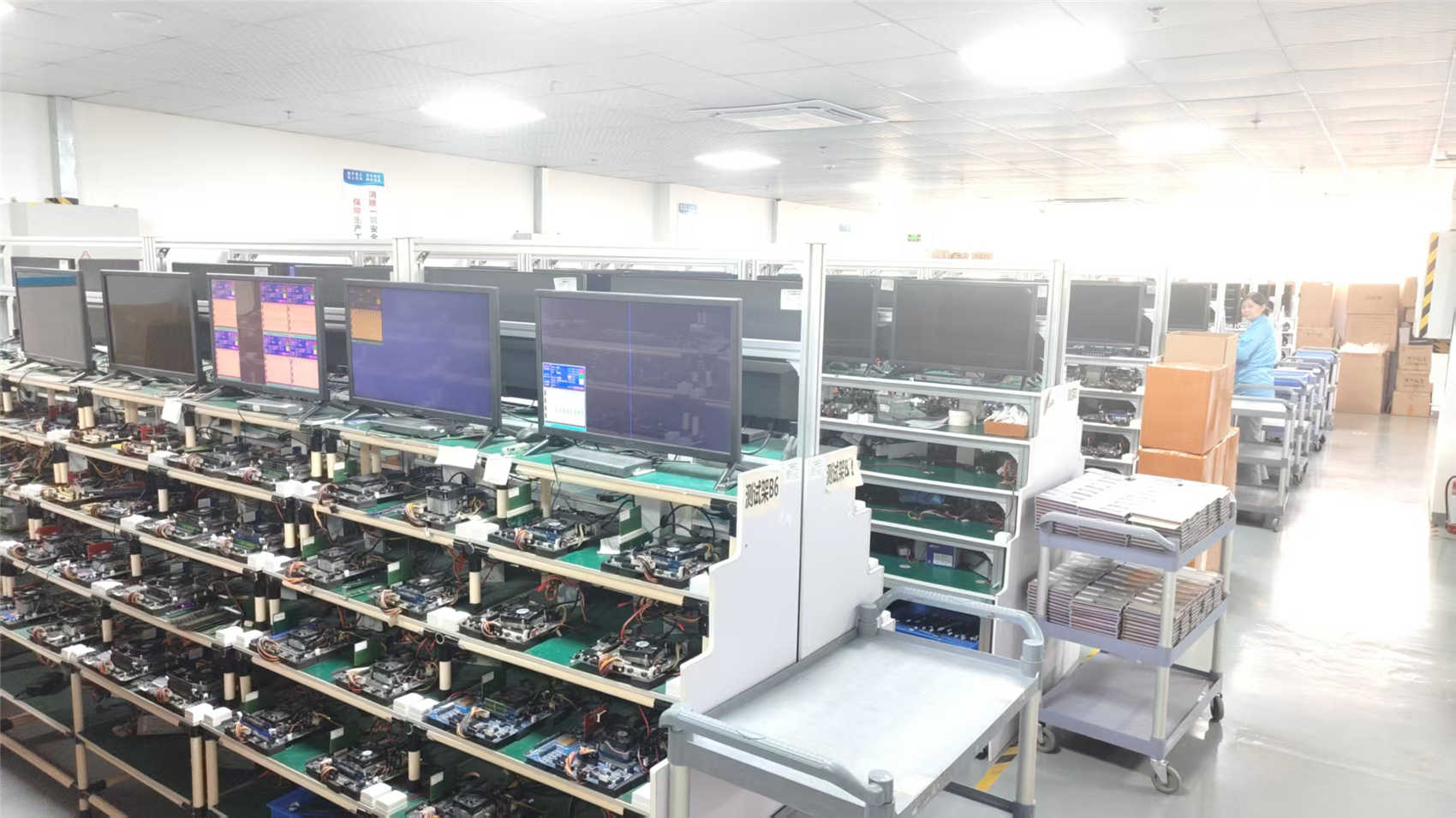
WaveLink Optoelectronics Co., Ltd. serves as an excellent case study of this transformation. Operating from a modern 12,800㎡ production base in China, the company bridges the gap between raw material processing and finished components. Generating an annual export volume of approximately USD 18 million, WaveLink manages a highly resilient operation model supported by 12 years of industry experience and 7 years of pure global export capability.
One of the major competitive advantages of WaveLink is its network of more than 1,200 upstream supply chain partners. This extensive network ensures that high-grade plastics, precision contact metals, optical lenses, and semiconductor chipsets are sourced reliably, mitigating global logistics bottlenecks. Consequently, when global WAP brands require custom component revisions, WaveLink can swiftly scale manufacturing capacity, moving designs from layout to volume production in weeks.
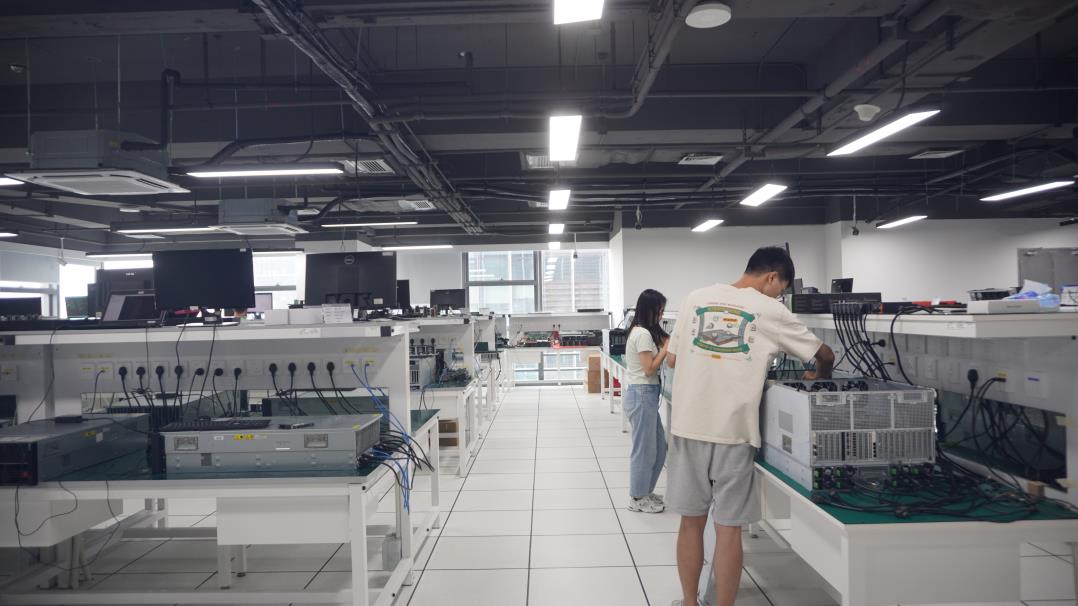
To qualify as a trustworthy OEM partner for telecom carriers, hardware must undergo exhaustive verification. A single failed component on a tower or factory ceiling can cost thousands of dollars in maintenance and network downtime. WaveLink applies a strict, multi-tiered quality control regimen to guarantee that every component matches or exceeds industry standards (IEEE 802.3, RoHS, CE, FCC):
This rigorous approach is managed by a specialized team of 45 dedicated Quality Control (QC) engineers, giving WaveLink the professional authority required to supply components to major telecommunication systems in North America, Europe, Southeast Asia, and the Middle East.
Next-generation access points are deployed in diverse settings, each presenting unique physical and electromagnetic challenges. Sourcing the correct interconnect components directly influences the network’s reliability.
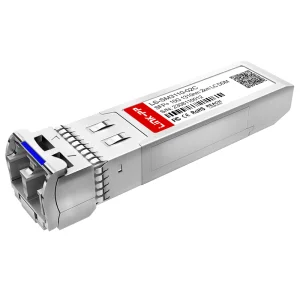
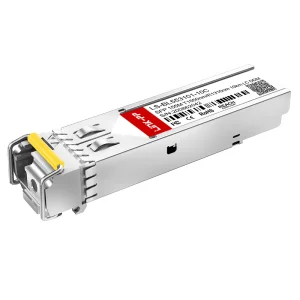
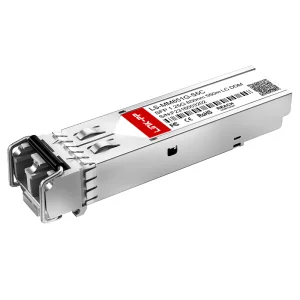
Deploying Wi-Fi to tens of thousands of simultaneous users requires a cluster of highly coordinated WAPs. The backhaul network must handle massive data spikes. In this scenario, WAPs are interconnected via 10G duplex SMF optical transceivers, routing data directly to optical distribution frames without electrical interference over distances up to 10km.
Automated Guided Vehicles (AGVs) rely on continuous Wi-Fi signals to navigate warehouses. Dust, physical vibration from overhead cranes, and variable temperatures are common. Industrial RJ45 connectors with physical shielding and secure locking tabs prevent intermittent connection loss, ensuring constant connectivity.
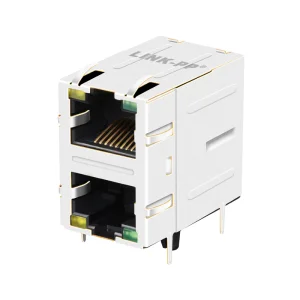
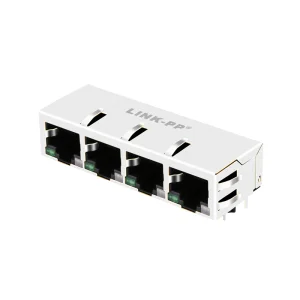
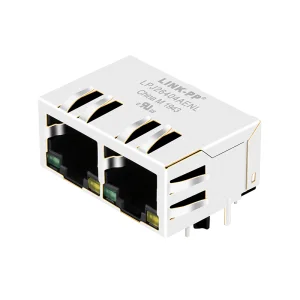
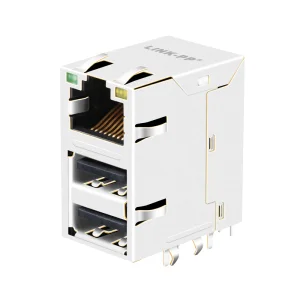
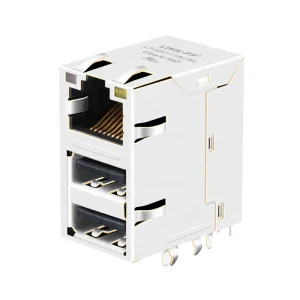
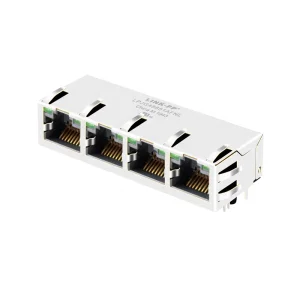
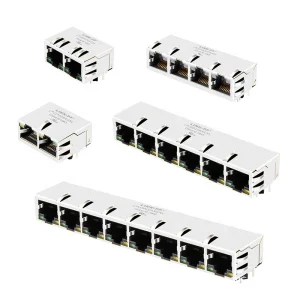
Large corporate offices use PoE to run access points over long distances in ceilings. Using Multi-port RJ45 Modular Jacks with integrated LEDs simplifies diagnostics. Using stacked RJ45 connectors allows designers to compress the footprint of switches that feed the office’s distributed antenna systems.
WaveLink maintains an active commitment to innovation. By employing a robust R&D team of 220 engineers, the factory introduced approximately 180 new product models in the past year alone. This rapid engineering cycle allows clients to constantly upgrade their wireless system architectures to support emerging optical and copper transmission protocols.