WaveLink
WaveLink
WaveLink
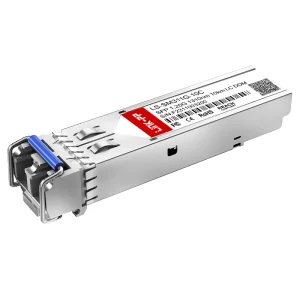
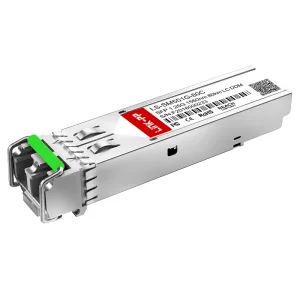
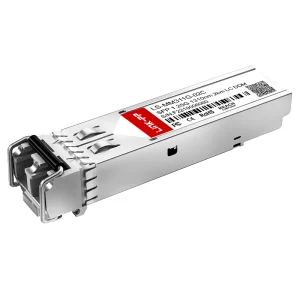
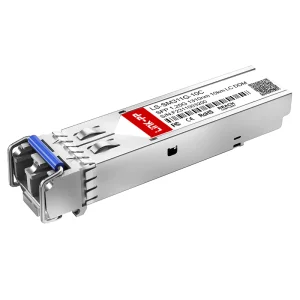
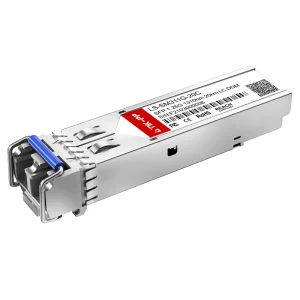
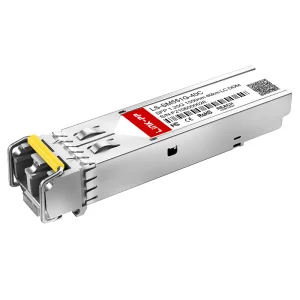
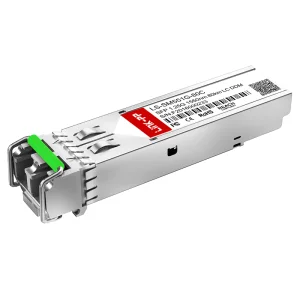
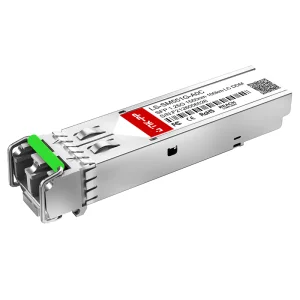
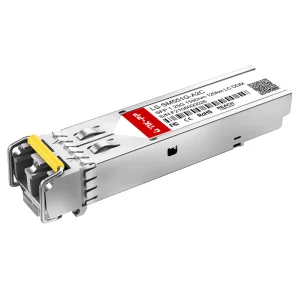
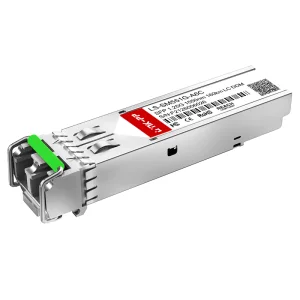
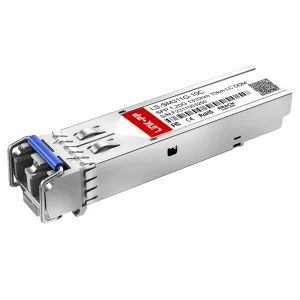
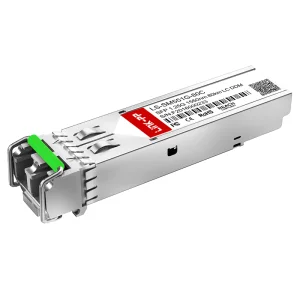
The Australian market represents a unique challenge for optical communication. With the ongoing expansion of the National Broadband Network (NBN) and the rise of edge computing in regional hubs like Adelaide and Perth, the demand for 1.25G SFP (Small Form-factor Pluggable) modules remains robust. While 10G and 100G technologies dominate the core, 1.25G continues to be the workhorse for Fiber-to-the-Curb (FTTC), Enterprise Ethernet, and last-mile connectivity.
In Australia, industrial sectors such as mining in Western Australia and Queensland are increasingly adopting fiber-optic backbones to support automated machinery and real-time sensor monitoring. These environments require "Industrial Grade" 1.25G SFP modules capable of withstanding extreme temperature fluctuations—a specialty of advanced Chinese manufacturing plants like WaveLink.
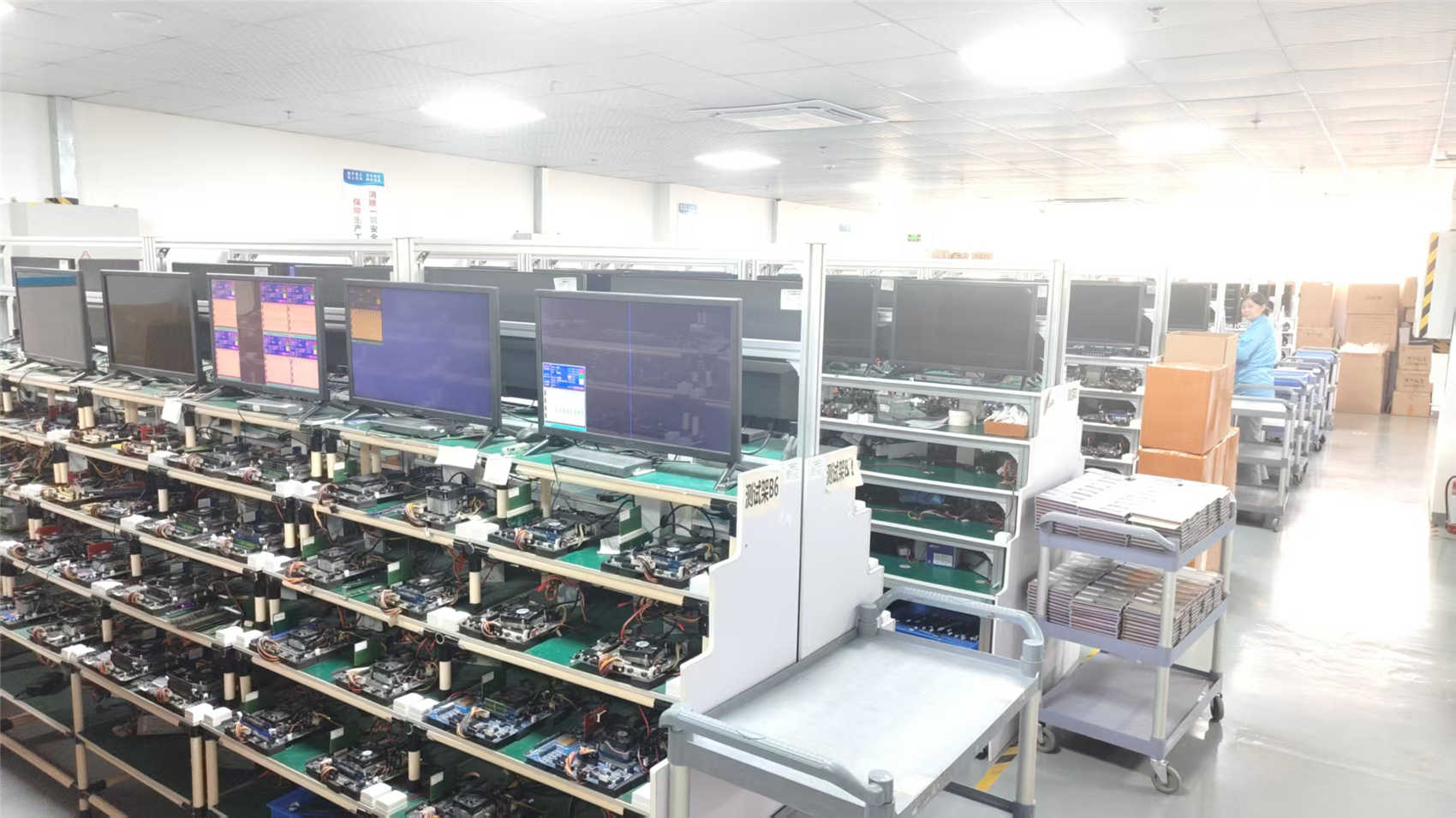
Globally, the optical transceiver market is shifting toward vertical integration. Chinese factories have evolved from simple assembly lines to R&D powerhouses. WaveLink Optoelectronics exemplifies this transition, leveraging a supply chain of 1,200+ partners to ensure that even during global silicon shortages, the production of 1.25G SFP modules remains uninterrupted.
The "Efficiency Advantage" of a Chinese factory isn't just about cost; it's about the speed of iteration. WaveLink released 180 new product models in the last year alone. For Australian procurement managers, this means access to the latest Digital Optical Monitoring (DOM) features and enhanced protocol compatibility (Cisco, Juniper, Ubiquiti, Mikrotik) at a fraction of the OEM price.

Where 1.25G SFP Modules drive the Australian Digital Economy
In the Pilbara region, SFP modules are used in hardened switches to connect autonomous haulage systems and site-wide Wi-Fi, requiring high reliability in dusty, hot environments.
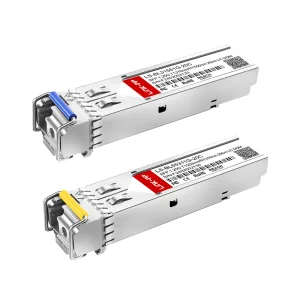
Sydney and Melbourne's metropolitan surveillance networks rely on 1.25G SFP Bidi (Single Fiber) modules to maximize existing fiber capacity for high-definition security feeds.
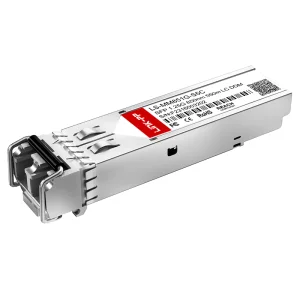
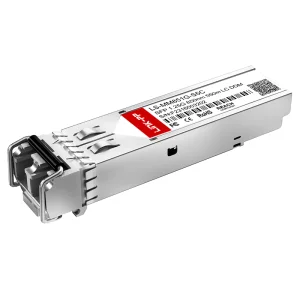
Australian universities utilize 1.25G MMF (Multimode) SFPs for building-to-building connectivity within short ranges (550m), providing cost-effective Gigabit throughput.
Founded in 2016, WaveLink has built a strong reputation in the global optoelectronics industry. Our manufacturing philosophy is rooted in the E-E-A-T principle. We provide "Experience" through our 12 years of overall industry expertise; "Expertise" through our team of 220 R&D engineers; "Authoritativeness" by complying with MSA and international standards; and "Reliability" with 100% optical signal integrity testing.
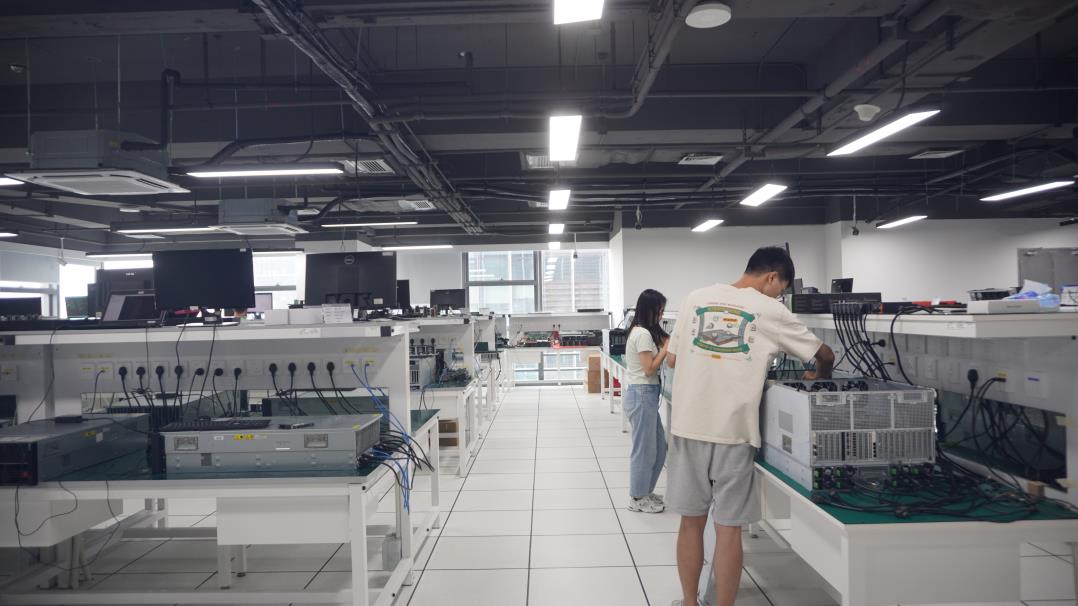
Our quality control team consists of 45 dedicated QC engineers. Unlike smaller assembly shops, WaveLink utilizes automated optical testing and real-time digital calibration systems. This ensures that every 1.25G SFP module arriving at an Australian port—from Darwin to Hobart—performs exactly as specified, with zero-day failure rates.

Yes. All our modules are programmed to be 100% MSA compliant. We offer specific EEPROM coding for major brands including Cisco, Juniper, Ubiquiti, Mikrotik, and HP to ensure seamless "Plug & Play" operation without "unsupported transceiver" errors.
Standard orders are processed within 3-5 business days. Shipping via DHL or FedEx to Australia usually takes an additional 4-7 days, making the total lead time roughly two weeks from factory floor to your warehouse.
Absolutely. We manufacture "Industrial Grade" SFPs that operate between -40°C to +85°C, specifically designed for Australian mining and outdoor telecommunications enclosures where heat buildup is significant.
Digital Optical Monitoring (DOM) allows network administrators to monitor real-time parameters of the SFP, such as optical output power, input power, temperature, and laser bias current. This is crucial for proactive maintenance in Australia's sprawling fiber networks.
Direct Factory Sourcing • Bulk Discounts • Localized Support
Join over 1,200 global partners who trust WaveLink for stable, high-performance optical connectivity. Get a quote for your project today.
Request a Quote Now