WaveLink
WaveLink
WaveLink
A Comprehensive Market Intelligence Whitepaper & Procurement Guide on High-Speed Connectivity Infrastructure, Signal Integrity, and Supply Chain Innovation
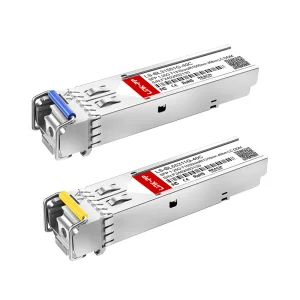
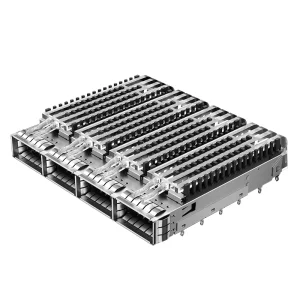
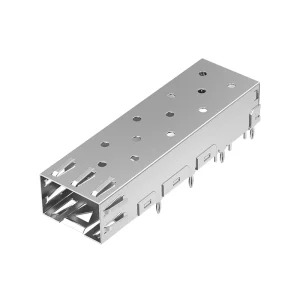
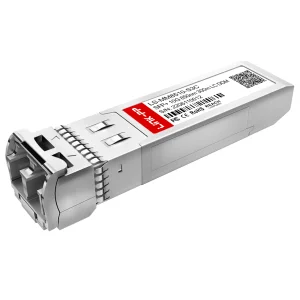
Analyzing the paradigm shift toward higher data densities, severe EMI suppression requirements, and next-generation thermal management architectures.
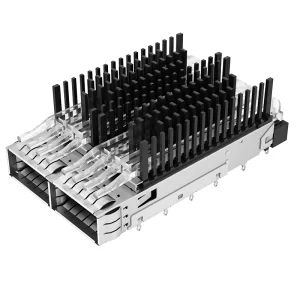
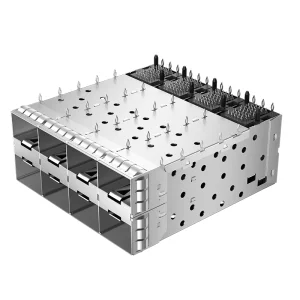
As switching frequencies cross into gigahertz bands, modern SFP+ and RJ45 setups require advanced EMI gaskets, metal elastomeric clips, and press-fit grounded fingers to prevent signal crosstalk.
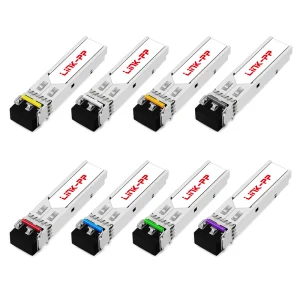
Next-gen transceivers release substantial heat. Integrated structural components like press-fit heat sinks and custom heat-dissipation fins on 1x4 and 2x8 SFP+ architectures protect continuous transceiver operations.
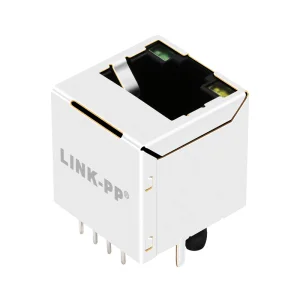
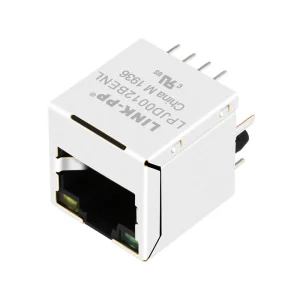
The market is seeing high-density requirements driving the adoption of ganged (1xN) and stacked (2xN) configurations. Low-profile RJ45 Magjacks and micro-SFP interfaces maximize I/O panel real estate.
“Industry trends clearly point to a convergence of optical and copper interfaces: optical transceivers provide the distance and speed for backbones, while integrated magnetic RJ45 connectors remain the backbone of localized edge networks and industrial IoT terminals.”
System designers are no longer looking at connectors as simple mechanical junctions. Signal degradation, insertion loss, and return loss at high frequencies (up to 25Gbps per channel on SFP28 interfaces) demand tightly controlled impedance tolerances. High-frequency electrical components require multi-stage modeling and testing, ensuring compatible footprints match traditional layout specifications (such as TE Connectivity or Molex equivalents) without compromising system jitter margins.
B2B buyer behavior has shifted from price-per-unit metrics to total lifecycle value, supply chain resilience, and compliance certifications.
In modern telecommunications, data centers, and industrial automation networks, engineering and procurement teams systematically evaluate suppliers based on the following key metrics:
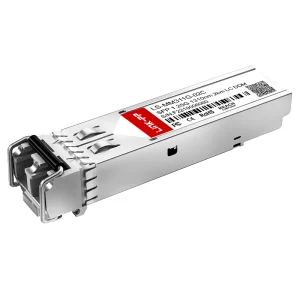
Large cloud services providers and hyperscale data centers are moving towards dense rack environments. Copper interfaces are hitting physical length limitations, making transceivers (like SFP, SFP+, SFP28) essential for link runs over 10 meters. The procurement of cages (1x4, 2x4, and 2x8) with integrated light pipes is vital for real-time visual system diagnostics in crowded data halls.
Delivering high-performance optical transceivers and fiber optic connectivity solutions built on rigorous engineering and tested reliability.
WaveLink Optoelectronics Co., Ltd. is a professional manufacturer specializing in high-performance optical transceivers and fiber optic connectivity solutions for telecom and data center applications.
Founded in 2016, WaveLink has built a strong reputation in the global optoelectronics industry with a modern production base covering approximately 12,800㎡. The company generates an annual export revenue of around USD 18 million, supported by 7 years of export experience and 12 years of overall industry expertise.
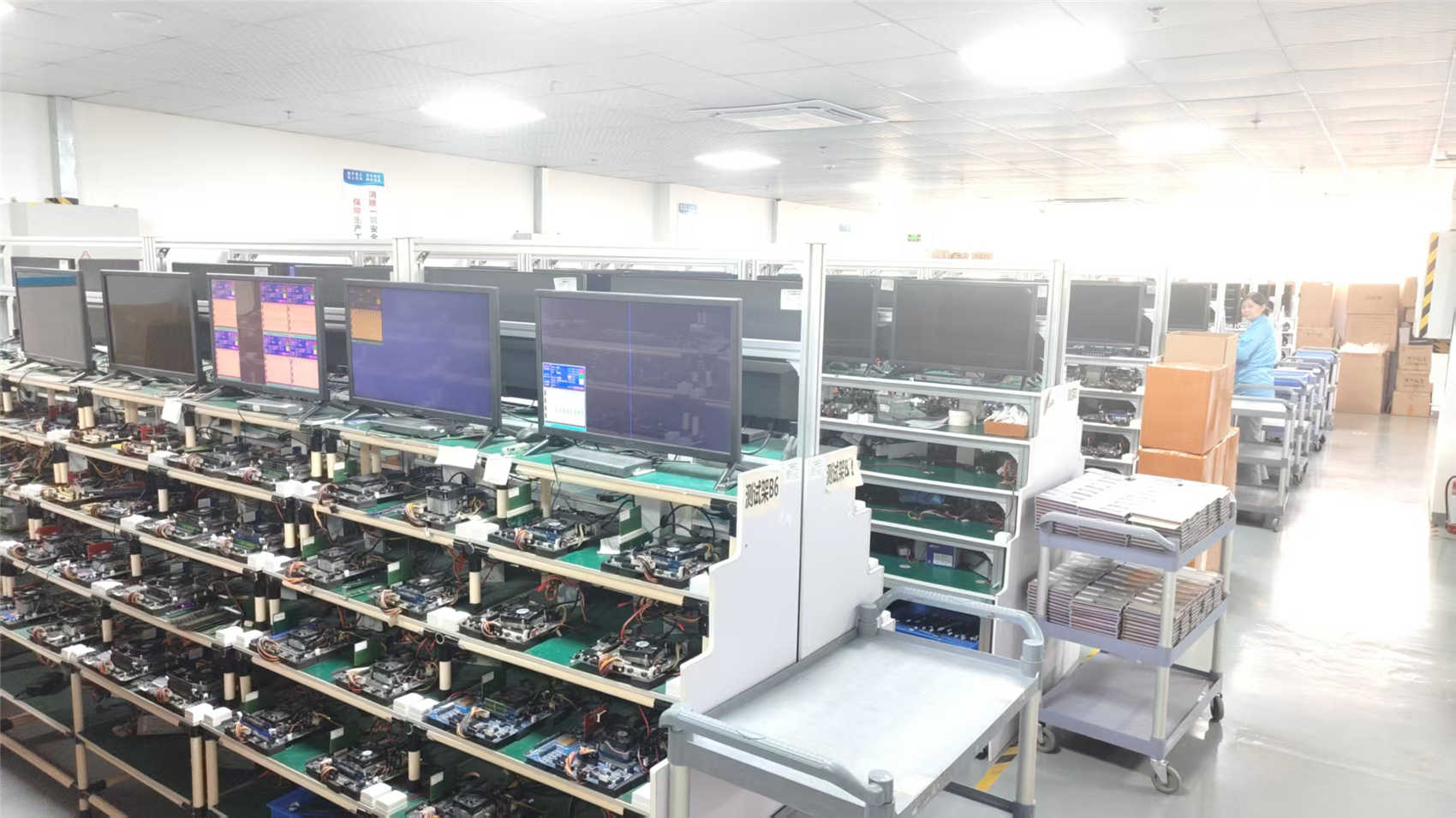
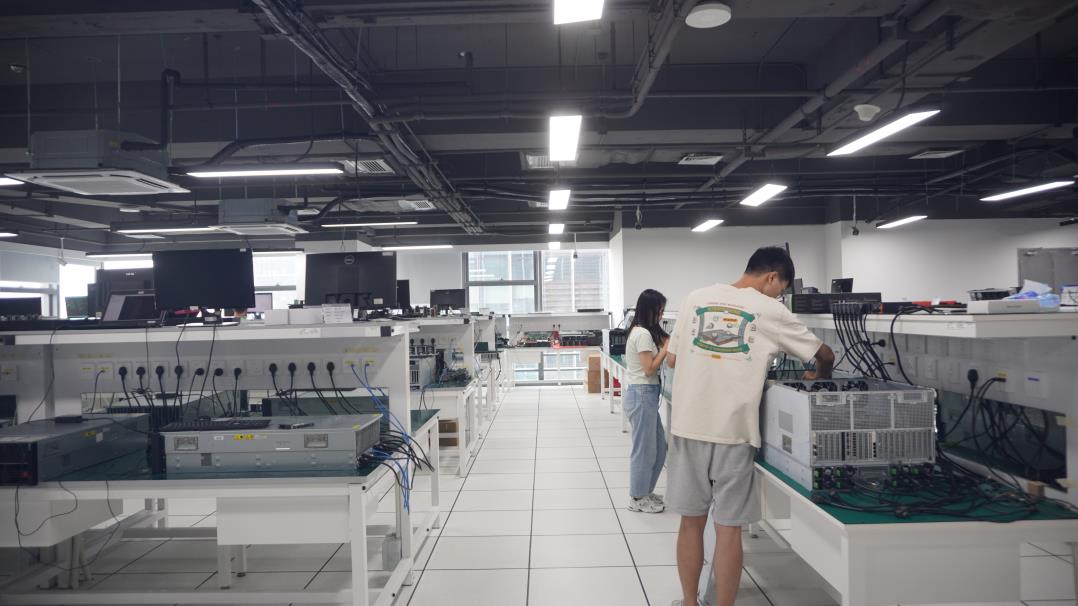
WaveLink operates a strict quality management system, including 100% performance testing, optical signal integrity testing, and high-temperature aging tests. Product inspection methods include automated optical testing, manual visual inspection, and real-time digital calibration systems. The quality control team consists of 45 dedicated QC engineers ensuring product stability and compliance with international standards.
With a solid trade background in global B2B electronics export, WaveLink primarily serves markets in North America, Europe, Southeast Asia, and the Middle East. The company maintains partnerships with more than 1,200 upstream supply chain partners, enabling stable component sourcing and fast production scaling.
Its customer base includes telecom operators, data center providers, cloud service companies, and network equipment integrators. WaveLink demonstrates strong R&D capability with custom engineering support, OEM/ODM services, and protocol-specific design optimization options.
In the past year, the company launched approximately 180 new product models, supported by a research team of around 220 engineers, continuously driving innovation in high-speed optical communication technologies.


How automation, lean manufacturing, and highly integrated ecosystems maintain production velocity during global disruptions.
Modern Chinese manufacturing facilities have moved far beyond manual assembly. By implementing Industry 4.0 practices, companies use automated high-speed stamping presses, robotic insertion machines for press-fit terminals, and multi-camera machine vision systems that inspect dimensional tolerances down to the micrometer.
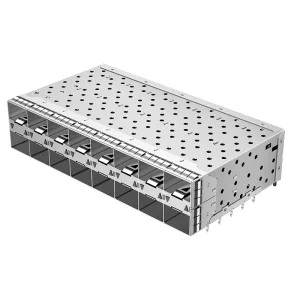
These developments ensure that mass-produced components, such as multi-port stacked SFP cages (2x4 or 2x8) and low-profile RJ45 jacks, have consistent mechanical reliability and electrical contact force, minimizing infant mortality in deployment.
A major competitive advantage of Chinese factories is the regional density of suppliers. WaveLink's network of over 1,200 partners is a prime example. This localized ecosystem allows for fast iteration on custom tooling, rapid sourcing of specific gold-plating solutions, and immediate access to specialized plastics like high-temperature LCP. Such deep supply chain integration reduces production lead times and helps buffer against international transport shocks.
From the freezing temperatures of outdoor telecom base stations to the controlled humidity of modern server farms.
Handling thousands of optical links. Multi-port SFP+ cages and high-performance transceivers connect top-of-rack switches directly to AI servers and storage arrays with low latency.
Outdoor units subjected to temperature extremes, moisture, and wind. Ruggedized transceivers and EMI shielded connector systems keep cellular networks running under harsh environmental conditions.
Heavy machinery introduces high vibration and electromagnetic noise. Shielded low-profile RJ45 Magjacks with integrated isolation transformers protect sensitive controller circuits.
A strategic overview of the key players shaping the modern interconnect landscape worldwide.
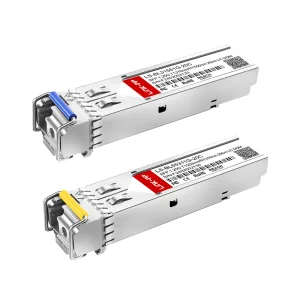
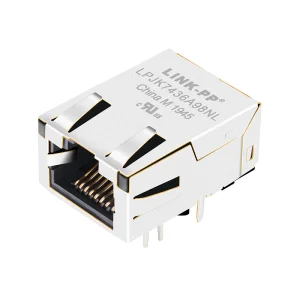
Addressing technical challenges and trade compliance issues for global system integrators.