WaveLink
WaveLink
WaveLink
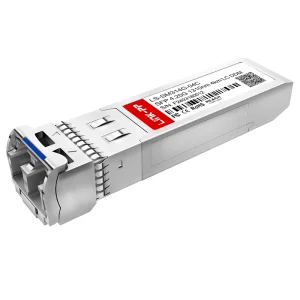
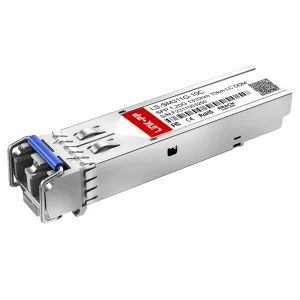
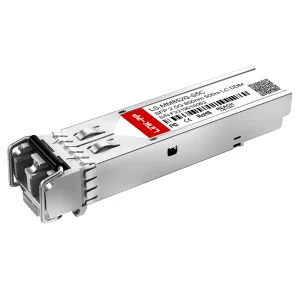
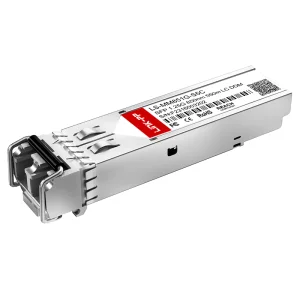
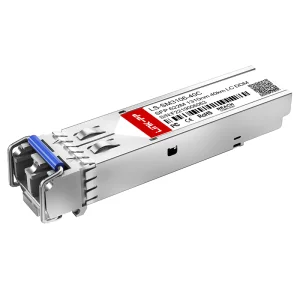
In the rapidly evolving landscape of telecommunications, Single Mode SFP (Small Form-factor Pluggable) modules serve as the critical bridge between long-distance fiber networks and high-speed data hardware. As a professional manufacturer, WaveLink Optoelectronics Co., Ltd. stands at the forefront of this technological shift, providing more than just components—we deliver precision-engineered connectivity solutions.
Modern "Search Intent" for SFP procurement has shifted from simple "price-seeking" to "reliability-validation." Global enterprises are no longer looking for mere suppliers; they are searching for Tier-1 OEM partners capable of navigating the complexities of SMF (Single Mode Fiber) DDM (Digital Diagnostic Monitoring), duplex LC interfaces, and protocol-specific optimizations. Our expertise in G.652 and G.655 fiber standards ensures that every module we export minimizes attenuation and maximizes link budgets for distances ranging from 2km to over 120km.
While Multi-mode (MMF) is sufficient for short-reach data center spans, Single Mode (SMF) is the definitive choice for carrier networks, 5G backhaul, and enterprise campus backbones. By utilizing a single ray of light (mode) to carry the signal, SMF eliminates modal dispersion, allowing for bandwidth-distance products that are orders of magnitude higher than MMF. At WaveLink, we specialize in the 1310nm, 1550nm, and CWDM/DWDM spectrums to optimize your network's information throughput.
Production Base
Annual Export Volume
R&D Engineers
Supply Chain Partners
While the 1.25G and 10G SFP modules remain the workhorses of industrial networking, the transition to QSFP-DD and OSFP form factors for 400G/800G is accelerating. Our R&D focuses on Silicon Photonics (SiPh) to integrate multiple optical components onto a single chip, reducing power consumption by 30%.
Moving beyond simple On-Off Keying (OOK), the future of Single Mode SFP modules lies in coherent transmission. This allows for higher spectral efficiency, enabling 100G+ speeds over existing single-mode fiber reaches without massive infrastructure overhauls.
With the surge in AI and Autonomous Driving, we are optimizing SFP modules for "Edge Computing" where sub-millisecond latency is non-negotiable. Our custom firmware tuning reduces processing overhead at the physical layer.
WaveLink’s manufacturing facility in China is a testament to Industry 4.0 principles. By integrating Automated Optical Inspection (AOI) and real-time digital calibration systems, we ensure that the "Experience" and "Expertise" of our 45 QC engineers are augmented by machine precision.
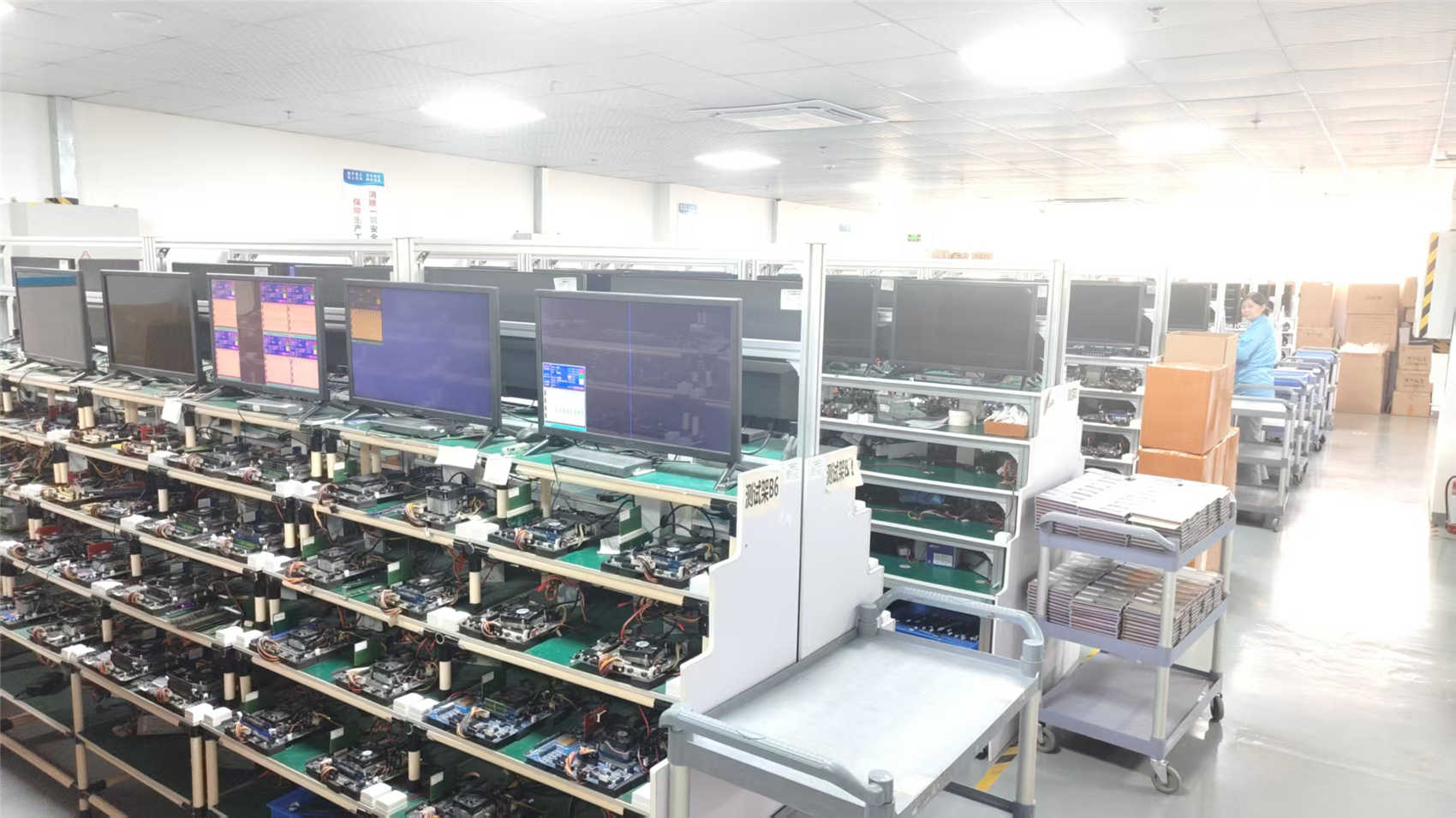


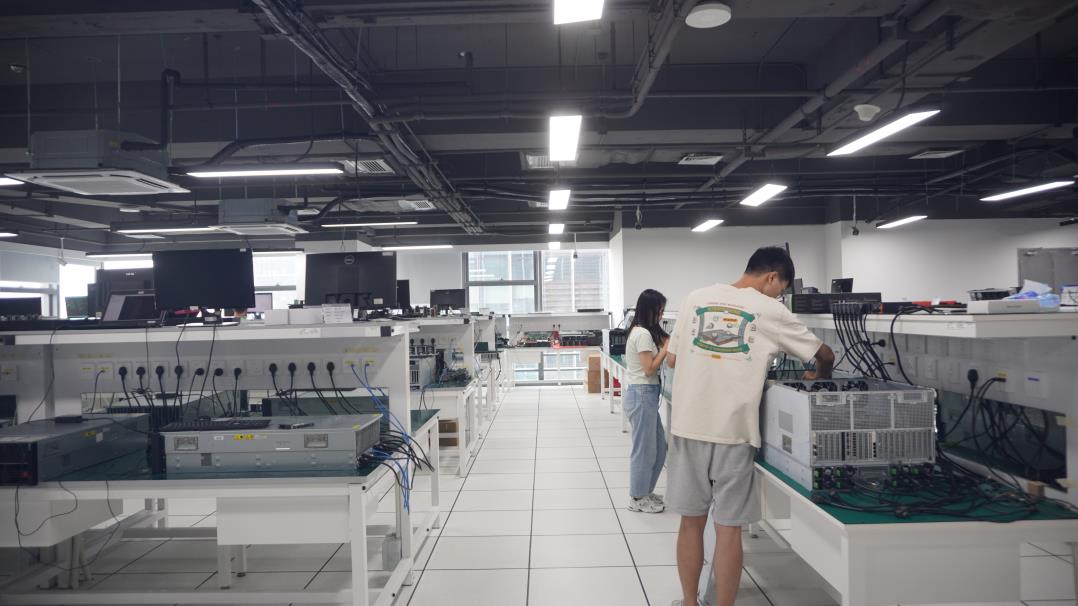
Our CPRI/eCPRI compliant SFP modules enable seamless front-haul and back-haul connectivity for 5G Base Stations. With Single Mode modules supporting up to 80km, we help operators bridge the "Digital Divide" in rural areas.
Providing high-density interconnects that support DDM/DOM functions. This allows data center managers to monitor temperature, voltage, and optical power in real-time, preventing downtime before it occurs.
Ruggedized SFP modules designed for wide temperature ranges (-40°C to +85°C) are essential for smart city sensors, traffic management, and utility monitoring in extreme climates.
All WaveLink products are CE, RoHS, and FCC certified. We strictly adhere to MSA (Multi-Source Agreement) standards to ensure 100% interoperability across the global vendor ecosystem.
With 1,200+ partners, we provide "Supply Chain Resilience." Even during global semiconductor shortages, our diversified sourcing strategy ensures stable lead times for our OEM clients.
We provide 24/7 technical consulting for our partners in North America, Europe, and Southeast Asia, ensuring that deployment hurdles are resolved in your local time zone.
Standard SFP typically supports speeds up to 1.25Gbps or 2.5Gbps, whereas SFP+ is designed for 10Gbps. While they share the same physical dimensions, the internal electronics of SFP+ are built for higher frequency signals.
Technically, it is possible over very short distances using a mode-conditioning patch cord, but it is not recommended for production environments as it leads to high BER and signal instability.
Digital Diagnostic Monitoring (DDM) or Digital Optical Monitoring (DOM) provides the user with critical information about the status of the transmitted and received signals, temperature, and voltage.
We maintain a massive library of vendor-specific codes. During the OEM process, we flash the EEPROM of the module to match the specific handshake protocols of your target hardware (e.g., Cisco, HP, Dell).