WaveLink
WaveLink
WaveLink
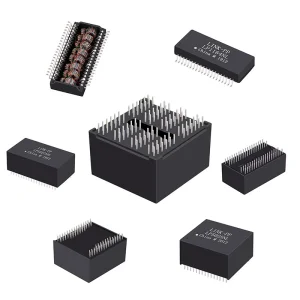
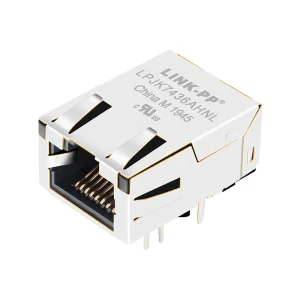
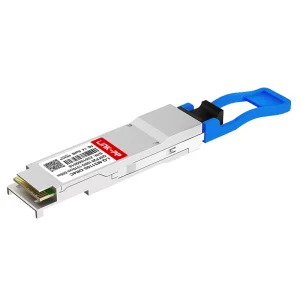
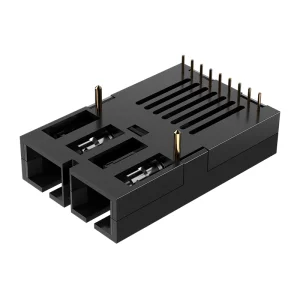
Explore our industry-validated line of optical transceivers, discrete LAN magnetics, electromagnetic shielding cages, and high-performance connectors designed to drop directly into enterprise patch panels and distribution cabinets.
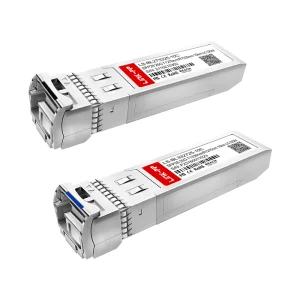
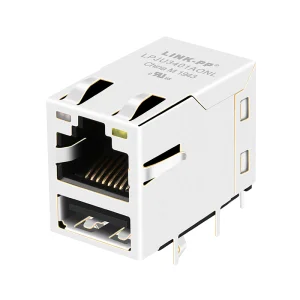
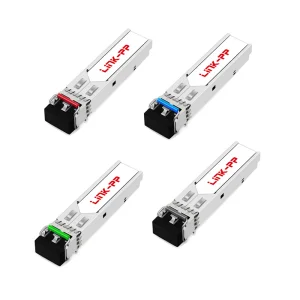
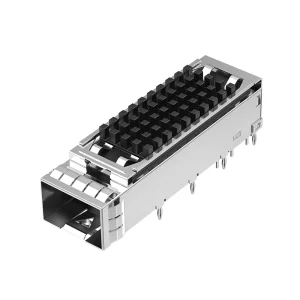
In the rapidly scaling world of hyperscale datacenters, edge nodes, and multi-gigabit enterprise networks, the patch panel serves as the central nervous system's control junction. It bridges passive structural horizontal cabling (e.g., Cat6A, Cat8, OS2 single-mode optical fibers) with the active computing layer composed of core switch gear, servers, and routers.
According to Google's Search Quality Evaluator Guidelines, authentic authority in structural cabling systems is derived from strict physical electrical verification and data transmission reliability under load. Modern patch panel manufacturers are no longer just metal fabricators. They are critical precision component engineering specialists. The implementation of high-frequency Category-rated panels and ultra-density optical distribution frames (ODF) requires strict adherence to crosstalk reduction protocols (NEXT, FEXT), return loss management, and electrical impedance matching.
At the center of global optical and structural copper supply chains, China-based manufacturers like WaveLink Optoelectronics Co., Ltd. represent a structural paradigm shift towards integrated high-speed active/passive component assembly. Founded in 2016 and backed by a modern production base covering approximately 12,800㎡, WaveLink generates an annual export revenue of around USD 18 million.
WaveLink leverages its 12 years of overall industry expertise and 7 years of direct B2B global export experience to service crucial data networks across North America, Europe, Southeast Asia, and the Middle East. Operating with more than 1,200 upstream supply partners enables stable copper shielding material supply, precision injection molding components, and high-frequency PCBs, ensuring zero-latency supply chain response times even during critical component shortages.
As network bandwidth demands escalate towards 800G and 1.6T configurations, physical patch infrastructure faces three primary engineering frontiers:
Traditional mechanical patch panels require human insertion and record-keeping, leading to cable mismanagement. Future technical paths integrate dynamic cross-connect matrixes with optical switches, allowing automated logical routing of fiber links directly from central SDN network operating centers without manual physical intervention.
Smart patch panels equipped with RFID tags or optical fiber sensing (OTDR integration) now identify network disruptions, unauthorized patch modifications, and loss-budgets in real time. This immediate mapping keeps massive enterprise systems compliant with physical layer security guidelines.
Space constraints in metropolitan data hubs force suppliers to innovate on panel density. The industry standard has advanced from 24 LC ports per 1RU to 144 LC fiber terminations in a single rack unit using custom-designed sliding tray enclosures. Correspondingly, copper patch solutions rely on compact modular keystone jacks to maintain crosstalk performance at tighter trace spacings.
Infrastructure solutions must adapt to distinct local operational requirements. Standard physical layouts fail when deployed in high-corrosion environments or seismically active telecom zones. Below are localized configurations for target industrial segments:
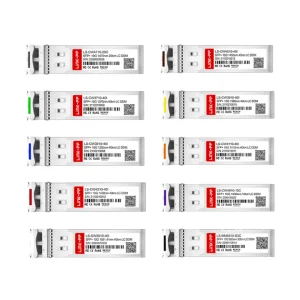
Focuses on ultra-low loss (ULL) MTP-to-LC fiber cassettes. Operators demand modular, sliding patch panels supporting single-mode OS2 zero-bend radius fibers. Compatibility with active transceivers like CWDM SFP+ and 100G QSFP28 is critical for high-frequency optical signals.
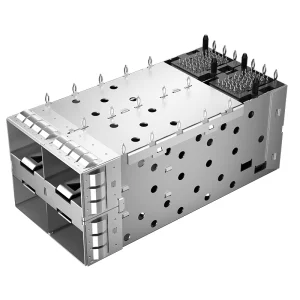
Requires rugged, vibration-resistant DIN-rail mount patch panels. Copper interfaces must feature IP67-rated waterproof keystone jacks, continuous metal grounding bars, and EMI-shielded SFP cages to prevent machinery interference from corrupting critical manufacturing data packets.
Utilizes high-capacity fiber optical distribution frames (ODF) featuring angled LC adapters to protect operators' eyes from invisible laser sources. These networks prioritize clean fiber routing tracks to prevent macro-bending losses over long distance spans.
WaveLink Optoelectronics Co., Ltd. sustains its export authority by enforcing strict performance boundaries on all network modules and transceiver subsystems. With a dedicated QA unit of 45 QC engineers, quality control process includes:
In the past year alone, WaveLink launched approximately 180 new product models. The enterprise's massive team of 220 engineers specializes in custom engineering support, OEM/ODM solutions, and protocol-specific digital design optimization options. This ensures that every passive connectivity patch panel is supported by active transceiver modules calibrated to identical impedance and signal limits.
Integrate these network-certified components into modular copper patch panels, localized LAN configurations, and fiber termination cabinets to maintain minimal signal attenuation and noise immunity.
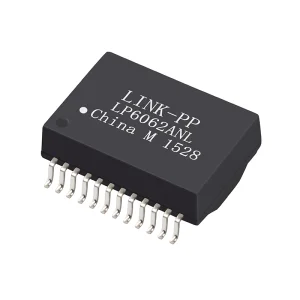
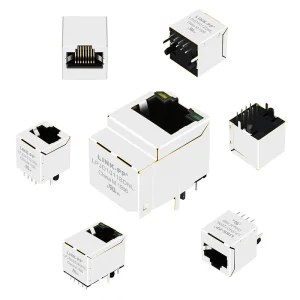
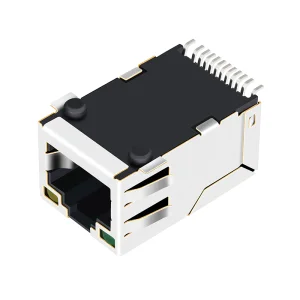
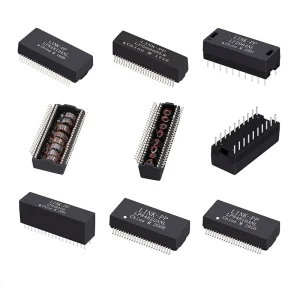
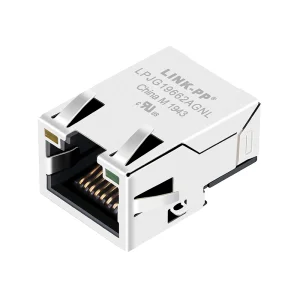
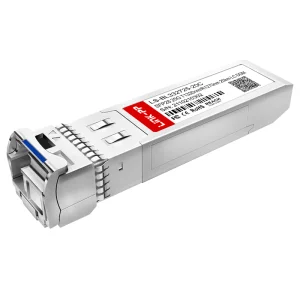
Deploying enterprise networking systems demands adherence to distinct international and regional safety and environmental benchmarks. An authoritative patch panel supplier must maintain complete trace-ability maps for all manufacturing components. WaveLink structures its development pipeline around verified safety rules, protecting operational installations from premature physical degradation.
All structural copper connectors and passive patch panel keystones are built and certified to meet UL 1863 (Standard for Safety for Communications-Circuit Accessories). Active network components comply with IEEE 802.3bt standards, allowing trouble-free implementation of Power over Ethernet up to 90W (PoE++) without risking contact interface deterioration or electrical arcing during active connects.
To satisfy EU environmental directives, all plastic polymers used in patch panel jack housings, cable managers, and SFP shielding gaskets are strictly tested and verified to be lead-free and fire-retardant. Materials carry zero toxic elements, ensuring compliance with both local building fire safety codes and global ecological standards.
Review answers to key architectural questions from network designers, datacenter systems planners, and procurement directors.
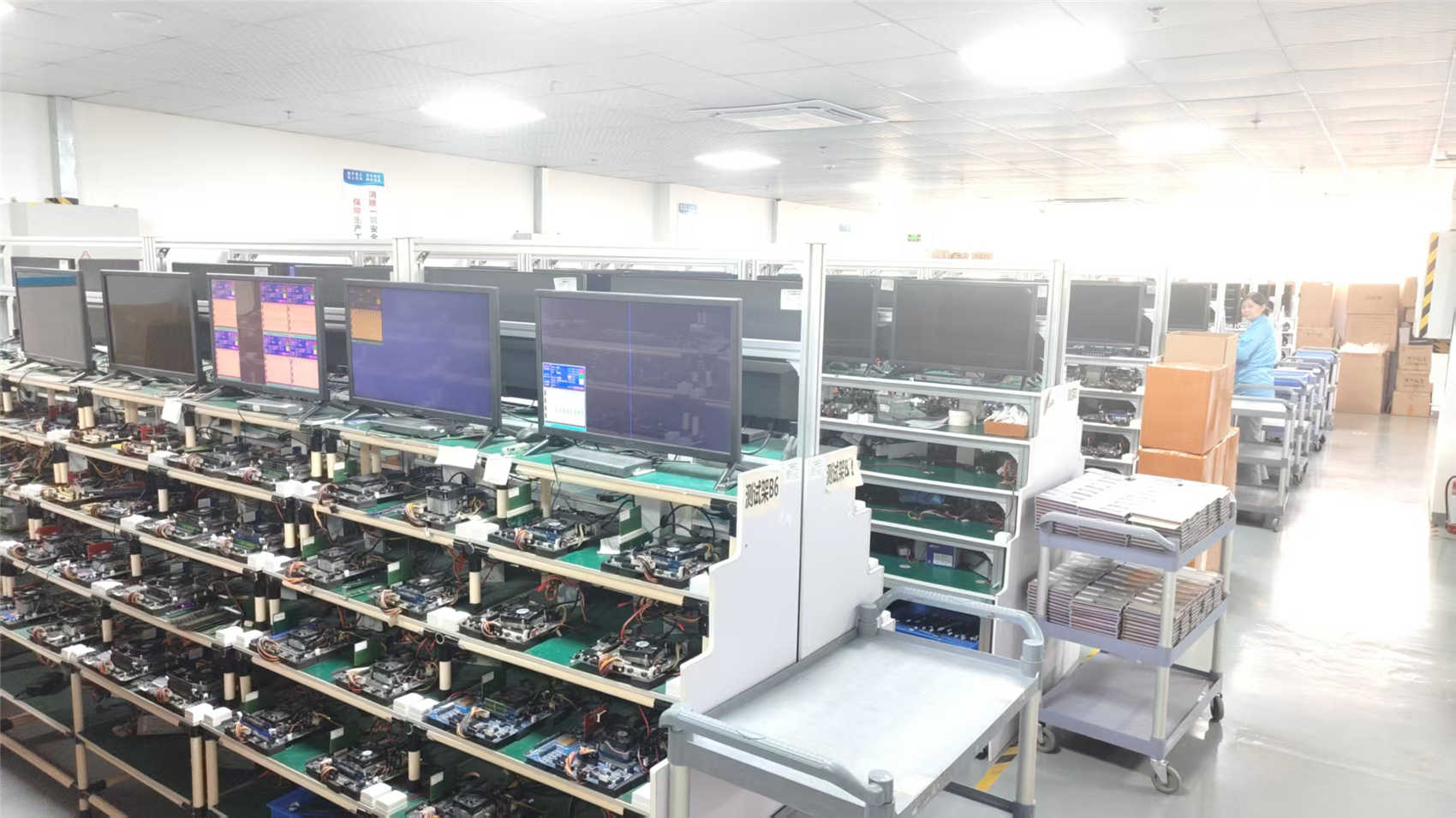
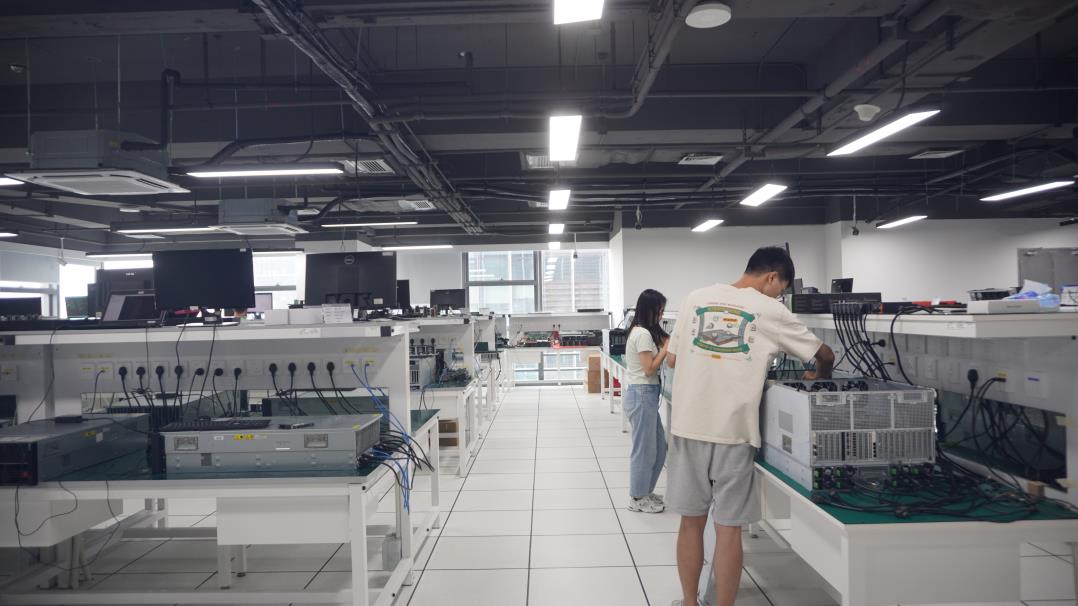
WaveLink maintains strict quality control environments, including ESD-protected clean rooms, automated SMT lines, and large distribution warehouses to ensure rapid order processing and high reliability.