WaveLink
WaveLink
WaveLink
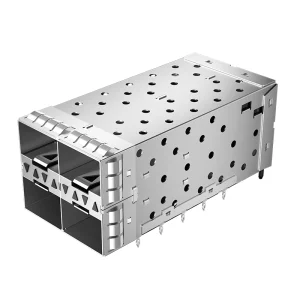
Explore our top-tier SFP enclosures, multi-rate transceivers, and integrated connector assemblies engineered for structural integrity and high signal fidelity.
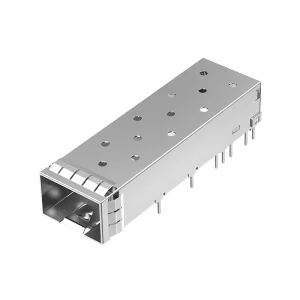
The global demand for bandwidth is experiencing an exponential shift, driven by artificial intelligence (AI) workloads, hyperscale cloud architecture, and the rapid deployment of 5G infrastructure. At the center of this transformation lies the Small Form-Factor Pluggable (SFP) optical module—the vital element that bridges electrical compute planes with ultra-fast lightwave networks.
As network architectures move from legacy speeds toward 25G, 100G, and even 400G/800G paradigms, optical modules must satisfy stringent limits on power consumption, thermal dissipation, and electromagnetic interference (EMI). Modern SFP, SFP28, and QSFP28 form factors must balance maximum density with structural signal integrity, requiring precise laser diode control and digital diagnostics monitoring (DDM).
Achieving compatibility and maintaining ultra-low bit error rates (BER) across legacy, current, and future architectures requires optical modules constructed strictly in accordance with Multi-Source Agreements (MSA). Sourcing from qualified manufacturers with structured quality systems prevents network outages and improves operational lifetimes in demanding data environments.
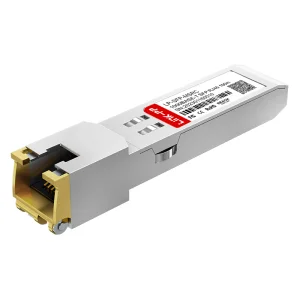
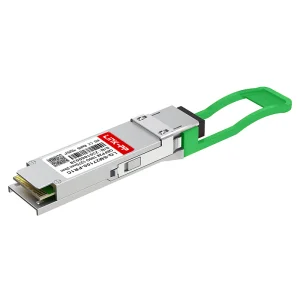
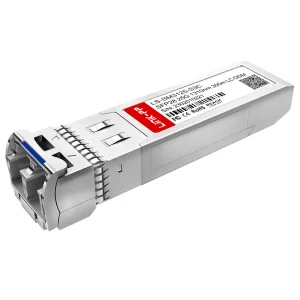
From standard 1.25G SFP transceivers to 25G SFP28 and 100G QSFP28 modules. Support legacy infrastructure while seamlessly building paths to next-gen network cores.
Full compliance with Multi-Source Agreements ensures direct plug-and-play compatibility with Tier-1 network switches, routers, and host line cards without licensing lock-in.
A world-class developer and manufacturer of optical transceivers and interconnect components for high-speed network topologies.
Founded in 2016, WaveLink has established a global footprint in the optoelectronics sector. Backed by 7 years of dedicated export experience and a deep pool of 12 years of industry expertise, our engineering teams customize and supply high-speed optical interfaces for critical network paths. We serve an active client roster of telecom operators, enterprise data center managers, cloud computing companies, and system integrators worldwide.
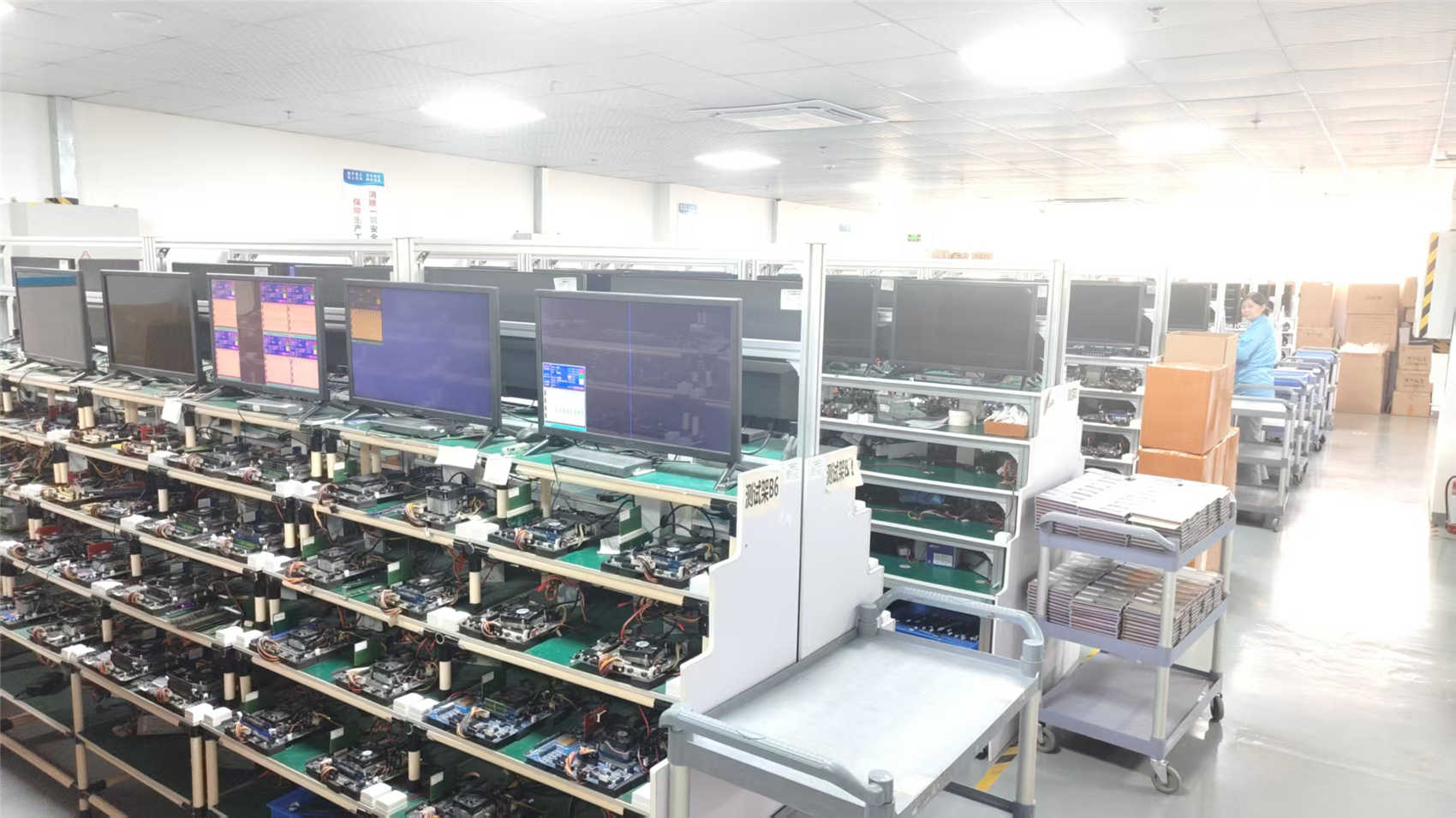


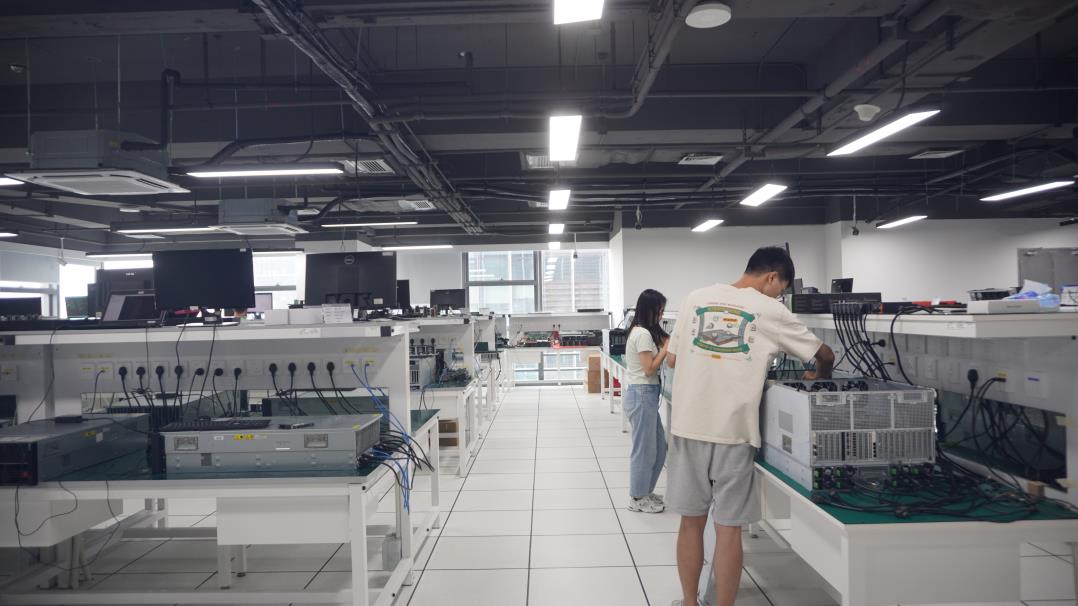
Modern optical module production requires more than simple assembly; it demands an integrated, smart supply chain ecosystem. Operating out of China's primary optoelectronic hub, WaveLink leverages localized access to raw materials, sub-assembly component manufacturers, and key semiconductor packaging vendors.
Through our network of more than 1,200 upstream supply chain partners, we mitigate material risk and secure critical items such as laser diodes (TOSA/ROSA), printed circuit boards, and custom optical connectors. This deep network ensures stable sourcing, reduces production lead times, and allows us to scale output rapidly when customer demands change.
Our automated manufacturing workflows integrate component mounting, wire bonding, and alignment routines. This level of automation keeps unit costs competitive while delivering consistent, high-yield optical performance.
Every transceiver and optical subassembly undergoes performance verification to ensure field reliability and long-term stability.
We measure key parameters such as optical output power, receiver sensitivity, and eye diagram metrics to ensure clean transmission across specified fiber lengths.
Units undergo thermal cycling and long-term high-temperature stress tests. This screening weeds out early component failures and guarantees stable operation in dense server chassis.
Using a combination of automated optical inspection (AOI), manual inspections, and digital calibration systems, our 45 dedicated QC engineers maintain strict quality standards.
From enterprise routing backbones to harsh industrial settings, our interconnect components deliver reliable data transmission.
With standard SFP+ and high-capacity QSFP28 modules, data center operators can optimize top-of-rack (ToR) and spine-leaf networks. Integrated copper modules and optical fiber assemblies support high density and efficient cooling profiles.
Our high-output single-mode transceivers (SMF) extend link budgets over long distances. Built-in DDM features allow telecom operators to monitor optical parameters and troubleshoot networks from remote offices.
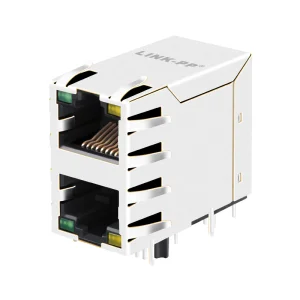
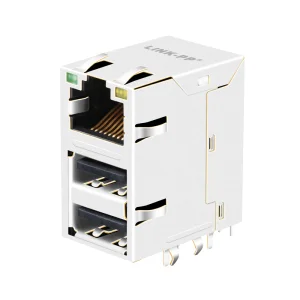
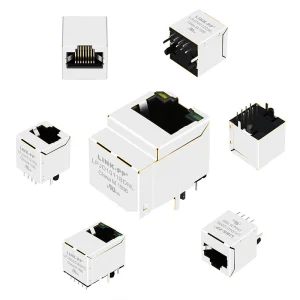
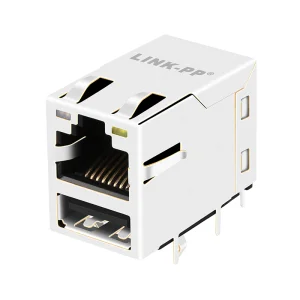
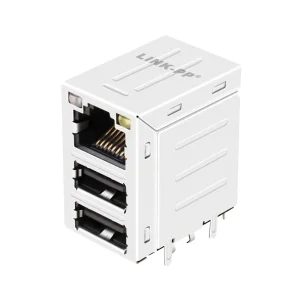
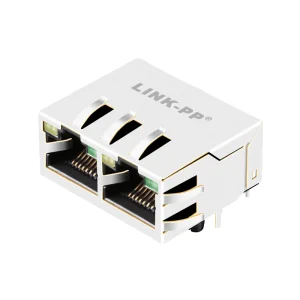
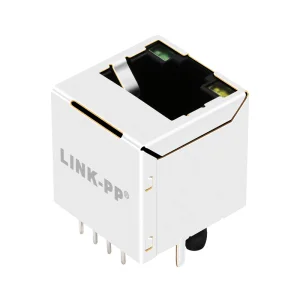
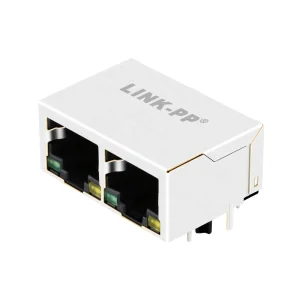
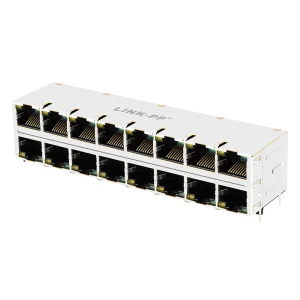
Electromagnetically shielded RJ45 integrated connectors and ruggedized transceivers handle high physical vibration, wide temperature variations, and high EMI, keeping assembly lines and wind farms reliably connected.
Get answers to technical questions about SFP transceivers, standard compatibility, thermal profiles, and integration parameters.
DDM (Digital Diagnostic Monitoring), also called DOM (Digital Optical Monitoring), is a feature built into modern optical transceivers. It tracks operating parameters in real-time, including optical output power, optical input power (receive level), internal temperature, laser bias current, and transceiver supply voltage. Network engineers use these diagnostics to predict module wear, find fiber breaks, and ensure link performance before outages occur.
Our modules are coded and tested in-house using an array of host systems from major network equipment manufacturers. We configure the module's EEPROM register content according to Multi-Source Agreements (MSA) and load brand-specific firmware to prevent compatibility alerts on host switches and routers.
Single-mode fiber (SMF) SFP transceivers feature a narrow core (typically 9µm) that allows a single path of light to travel. They utilize longer wavelengths (like 1310nm or 1550nm) to transmit data up to 10km, 40km, or 80km with low attenuation. Multi-mode fiber (MMF) SFPs use a larger core (50µm or 62.5µm) that carries multiple light paths. They run at shorter wavelengths (typically 850nm) and are designed for short runs, such as inside data centers and across campus links (up to 300m or 500m).
Our transceivers use low-power IC architectures alongside high-conductivity thermal pads and metal housings that quickly pull heat away from active components. This design helps modules operate within standard temperature limits, preventing optical drift and extending laser life in packed switch bays.
Explore our high-speed active transceivers and robust physical-layer interconnect structures designed to reduce electromagnetic noise.