WaveLink
The landscape of networking technology is constantly evolving. Among these advancements, the QSFP-DD transceiver has become essential for high-speed data transfer. As we look ahead to 2026, understanding the top options available is crucial for any organization looking to upgrade their infrastructure.
Quantitative standards have set a high bar for performance. Companies need reliable transceivers that can support growing data demands. The QSFP-DD transceiver stands out due to its exceptional bandwidth and efficiency. It plays a critical role in data centers and high-performance computing environments.
However, selecting the right QSFP-DD transceiver can be challenging. Many buyers have questions about compatibility, performance, and cost. It's vital to consider factors like the manufacturer's reputation and specifications. Buyers should reflect on their unique needs before making a decision. The choices available may not always align perfectly with every requirement, leading to potential dissatisfaction.
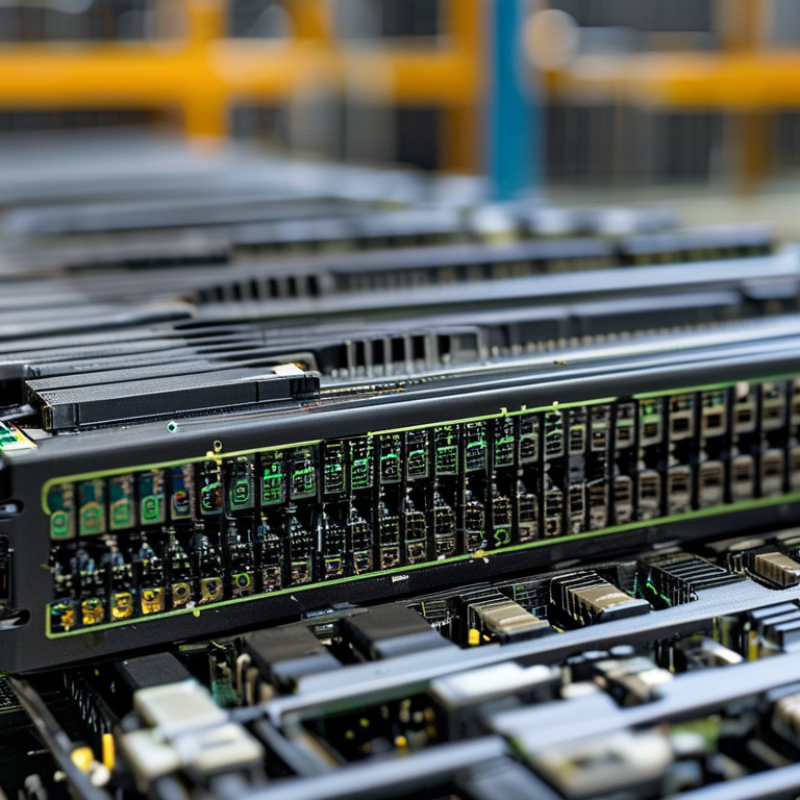
In 2026, QSFP-DD transceivers will play a pivotal role in data center connectivity. They provide high bandwidth and low latency, essential for handling increasing data traffic. These transceivers support multiple applications, including cloud computing and big data analytics. Their ability to deliver 400 Gbps speeds will remain crucial as the demand for faster data processing grows.
The market for QSFP-DD transceivers is evolving. Buyers will look for reliability and performance. In an era of rapid technological advancement, ensuring compatibility with existing systems is key. Users must reflect on their specific needs when selecting transceivers. Are power consumption and heat dissipation properly considered? Balancing performance with energy efficiency becomes vital.
As organizations push for digital transformation, the importance of QSFP-DD transceivers cannot be overstated. They shape the future of high-speed data transmission. However, continuous evaluation of technology options is necessary. It fosters informed decisions that meet current and future demands. The landscape is dynamic, and adaptability will be essential for success.
| Model | Data Rate (Gbps) | Distance (km) | Wavelength (nm) | Connector Type | Application |
|---|---|---|---|---|---|
| QSFP-DD-1 | 400 | 10 | 850 | MTP/MPO | Data Center Interconnect |
| QSFP-DD-2 | 200 | 40 | 1310 | LC | Long-Haul Transmission |
| QSFP-DD-3 | 400 | 2 | 850 | MTP/MPO | High-Density Networking |
| QSFP-DD-4 | 400 | 500 | 1550 | LC | Metro Networking |
| QSFP-DD-5 | 200 | 10 | 850 | MTP/MPO | Short-Range Communication |
| QSFP-DD-6 | 400 | 80 | 1310 | LC | Campus Networks |
| QSFP-DD-7 | 100 | 40 | 1310 | LC | Data Aggregation |
| QSFP-DD-8 | 400 | 30 | 850 | MTP/MPO | Cloud Services |
| QSFP-DD-9 | 800 | 10 | 850 | MTP/MPO | High-Speed Networking |
| QSFP-DD-10 | 400 | 100 | 1550 | LC | Long-Distance Applications |
Choosing the right QSFP-DD transceiver is crucial for high-speed networking. These transceivers are designed for data centers, helping to achieve faster data transfer rates. Key features include support for 400G applications and backward compatibility with older standards.
Power consumption is another essential specification. Many transceivers offer efficiency, but not all maintain reliability under high loads. Effective cooling solutions can help prevent overheating. Look for features like digital diagnostics for better performance monitoring.
Another aspect is the form factor. A compact design can save space in crowded racks. However, this can sometimes compromise airflow, which is vital for system stability. Compatibility with existing infrastructure is also important. Issues may arise if devices use different connectors or protocols. Understanding these specifications will guide buyers to make informed choices in the evolving market of QSFP-DD transceivers.
The demand for QSFP-DD transceivers is surging. The market is evolving rapidly, driven by the need for high-speed data transfer. In 2026, buyers will face critical choices influenced by market trends. Key factors include bandwidth requirements, energy efficiency, and compatibility with existing systems.
A significant trend is the push for higher data rates. Many industries are upgrading to 400G connectivity. This transition impacts transceiver selection. Buyers should consider future scalability in their decisions. Energy consumption is another essential factor. Efficient designs can reduce operational costs significantly.
**Tip:** Evaluate the power usage of transceivers before making decisions. Cost savings can accumulate over time.
Security is a growing concern in data transmission. Suppliers are focusing on advanced encryption mechanisms. While this enhances safety, it can complicate selection. Buyers must ensure the chosen transceivers meet their security needs.
**Tip:** Review the latest security features that transceivers offer. Keep pace with evolving threats.
In summary, the landscape for QSFP-DD transceivers in 2026 will be complex. Buyers need to balance performance with cost and security. Be prepared to adapt as trends continue to shift.
This chart displays the estimated market share of the top 10 QSFP-DD transceivers expected in 2026. As the demand for high-speed data transmission grows globally, these transceivers will play a critical role in networking and data center applications.
In the rapidly evolving field of data communications, QSFP-DD transceivers are crucial for high-speed networks. Analyzing top brands reveals varying strengths and weaknesses. Some brands excel in interoperability, while others compete with innovative designs that enhance performance. The market is saturated with options, making it challenging for buyers to choose wisely.
Performance metrics, such as signal integrity and power efficiency, are critical considerations. Many transceivers offer robust features, but they might lack exceptional reliability in specific environments. Buyers often face confusion due to differing specifications, leading to a need for careful evaluation. While some products boast high data rates, they may not perform equally well under load. This inconsistency highlights the necessity for buyers to align transceivers with their unique operational requirements.
In 2026, the landscape is expected to shift further. Emerging technologies will influence design and functionality. As new players enter the market, established brands must adapt. The focus on energy efficiency will be paramount. Buyers should actively seek transparent performance data to make informed decisions. Reflecting on these trends is essential for future-proofing network infrastructures.
The QSFP-DD (Quad Small Form-factor Pluggable Double Density) transceiver market is on the precipice of significant evolution. As networking speeds increase, demands for data transmission will stabilize around 400G and 800G capacities. Enhanced power efficiency and lower latency are also key metrics for advancements. Manufacturers focus on improving interoperability, making these modules more versatile across networks.
Understanding the technology is critical. Consider factors like reach, compatibility, and cooling requirements. Each server must support the specific transceiver you plan to use. Larger infrastructures may need a mix of long-range and short-range options to optimize performance.
Tip: Always check for the latest specifications as manufacturers release new models frequently. This can influence installation costs and overall efficiency.
The adoption of QSFP-DD technology is set to grow rapidly in 2026. With 5G expansion and AI applications proliferating, the need for faster bandwidth becomes essential. However, transitioning to new systems can be challenging. Not all existing infrastructure can support these advancements seamlessly.
Tip: Regular audits of current systems can help identify upgrade needs. Ensure compatibility and plan budget allocations wisely for future investments. Insights from industry experts suggest that careful planning will aid in a smoother transition, despite potential obstacles.
: They will be essential for high bandwidth and low latency in data center connectivity.
It helps ensure seamless integration with existing systems, avoiding compatibility issues.
Consider factors like power consumption, heat dissipation, and required performance levels.
Look for support for 400G applications, power efficiency, and effective cooling solutions.
Differences in signal integrity and environmental reliability can affect overall performance.
Careful evaluation of technical specifications and comparison of performance metrics is crucial.
While they save space, they may hinder airflow, potentially causing overheating.
Focus on energy efficiency and evolving technologies that may redefine performance metrics.
It helps buyers make informed decisions that align with current and future network demands.
Conflicting specifications and varying performance reliability can create confusion in decision-making.
The article "Top 10 QSFP-DD Transceivers for Global Buyers in 2026?" provides a comprehensive overview of QSFP-DD transceivers and highlights their growing significance in the data communication landscape. As we move into 2026, understanding the key specifications and features of these transceivers is essential for making informed purchasing decisions. The piece explores market trends that are shaping preferences and choices among buyers, facilitating a comparative analysis of the leading QSFP-DD transceiver options available.
Furthermore, the article delves into future projections for QSFP-DD technology, discussing anticipated advancements that could enhance performance and adoption rates. The importance of QSFP-DD transceivers cannot be understated, as they play a crucial role in meeting the escalating demands for faster and more efficient data transmission across various sectors.
