WaveLink
Choosing the right optical transceiver is crucial for network performance. "Selecting the appropriate components enhances signal clarity and reduces latency," states Dr. Emily Chen, a leading expert in optical communication. Her insights emphasize the significance of informed choices.
The optical transceiver market offers a vast array of options. With varying specifications and technologies, it can be overwhelming. Understanding these choices is essential for optimizing network efficiency. Missteps can lead to compatibility issues or subpar performance.
In this guide, we present five essential tips for selecting the right optical transceiver. Each tip aims to clarify complex factors. While some choices may seem straightforward, there are hidden nuances. Careful consideration ensures reliable and effective network solutions.
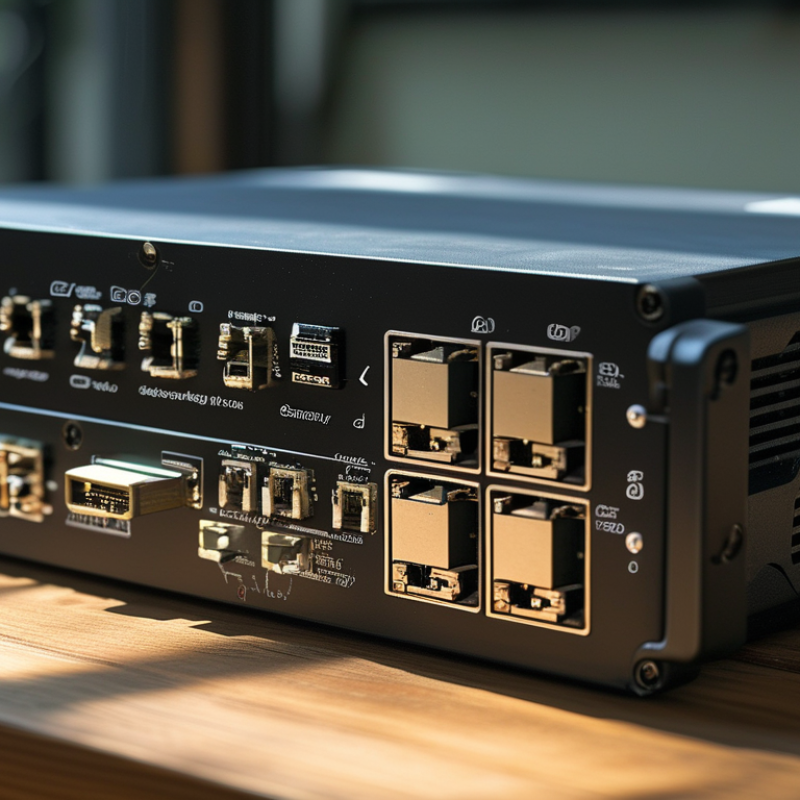
When considering optical transceivers, understanding their types is essential. The market offers several options, each serving unique needs. Common types include SFP, SFP+, QSFP, and CFP, differing in speed and distance capabilities.
SFP modules are versatile, supporting speeds up to 1 Gb/s, while higher-speed variants like SFP+ reach 10 Gb/s.
QSFP modules stand out for data centers, offering four channels for efficient data transfer at speeds up to 100 Gb/s. CFP modules are designed for long-distance applications, extending connectivity over larger distances. Evaluating your specific requirements helps in selecting the appropriate type.
Potential challenges may arise with compatibility and standards. It’s important to verify that the chosen transceiver aligns with your existing hardware. Mismatched specifications can lead to increased downtime and extra costs. Having a clear idea of your network’s needs is critical in avoiding these pitfalls. Documenting lessons learned from previous experiences can guide more informed decisions.
When choosing an optical transceiver, evaluating performance metrics is crucial. Speed is a key factor. Different applications require varying bandwidth capabilities. Some setups might need a high-speed option, while others can function with more moderate throughput. It’s helpful to know your specific requirements.
Distance also plays a vital role in your selection. Some transceivers support shorter ranges effectively, while others are designed for long-distance transmissions. Understanding the distance requirements of your network can save you from purchasing unsuitable equipment.
Compatibility is another significant metric. Not all transceivers work with every system. Ensuring compatibility with your existing hardware is necessary for seamless operation.
It's easy to overlook these details, but doing so can lead to issues. A mismatch in speed or compatibility can disrupt operations. Reflecting on your network needs before making a purchase is essential. These considerations ensure that you select the right transceiver for optimal performance and reliability.
When evaluating optical transceivers, understanding environmental conditions is crucial.
Temperature and application needs significantly influence performance. Operating an optical transceiver outside its specified temperature range can lead to reduced efficiency.
For instance, excessive heat may cause signal degradation, while extreme cold can impact operational reliability.
Choosing the right transceiver requires assessing the installation site. If the location experiences harsh outdoor elements, consider protective housing to shield components.
Additionally, applications like data centers may demand specific temperature control measures. Often, organizations overlook these details. They assume all transceivers perform equally, but this is a misconception.
Assess the ambient conditions thoroughly. Understanding humidity and temperature variations is essential for reliable performance.
Choose transceivers designed for the unique demands of your environment. Ensuring compatibility can prevent unexpected failures.
Sometimes, it may be tempting to cut costs, but this can lead to long-term issues. Taking the time for this assessment can yield significant benefits.
When selecting an optical transceiver, future scalability and upgradability are crucial factors. You want a solution that won't become obsolete quickly. Consider modular designs that allow for easy upgrades. This flexibility can save costs in the long run. Opt for transceivers that support a range of protocols. This choice ensures your network will adapt as technology evolves.
Another essential tip is to evaluate compatibility with existing systems. Check interfaces and supported standards. A mismatched transceiver can lead to unnecessary complications. Future-proofing your network also means thinking about bandwidth needs. Choose transceivers that can handle higher data rates, especially as traffic demands increase.
Lastly, don't ignore the importance of power consumption. Lower power transceivers often equate to reduced operational costs. They can also prolong the life of other hardware components. Analyze the energy efficiency of your options carefully. Make sure your choice aligns with your organization’s growth plans. Balancing these elements can be complex, but it leads to more reliable and scalable networks.
| Tip Number | Tip Description | Considerations for Scalability | Upgradability Options |
|---|---|---|---|
| 1 | Assess Your Bandwidth Requirements | Ensure the transceiver supports anticipated traffic growth. | Check for compatibility with higher speed standards (e.g., 100G, 400G). |
| 2 | Evaluate Distance Requirements | Choose transceivers that can cover longer distances if needed in the future. | Opt for modules that support various distance options with pluggable design. |
| 3 | Check Compatibility with Existing Equipment | Ensure it works seamlessly with your current infrastructure. | Choose transceivers that follow industry standards for future-proofing. |
| 4 | Consider Form Factor | Select a form factor that allows for easy integration into your network. | Look for modular designs that can be easily upgraded. |
| 5 | Evaluate Cost vs. Performance | Assess the long-term value of your investment. | Opt for transceivers that offer a balance between cost and future adaptability. |
When considering the purchase of optical transceivers, it's essential to analyze the cost versus quality. According to a recent industry report by the International Data Corporation (IDC), 70% of businesses struggle to find this balance. Choosing a cheaper option may lead to poor performance and unexpected downtime. This could endanger the network's reliability, potentially costing more in the long run.
On the other hand, high-quality transceivers come with a price tag. However, they offer superior performance and longevity. The Cisco Global Cloud Index estimates that high-quality components can increase data center efficiency by up to 25%. Investing in quality means fewer replacements and lower maintenance costs over time. A detailed analysis by IHS Markit suggests that a more expensive transceiver can reduce failure rates significantly.
It's also vital to consider compatibility. Just because a transceiver is costly doesn’t guarantee it will work seamlessly with existing equipment. Each organization must reflect on its unique needs. A rigorous evaluation of both cost and quality can lead to more informed decisions. Balancing these factors is not easy and often requires careful thought and analysis.
: Environmental conditions like temperature significantly influence transceiver performance and reliability.
Operating outside its specified range may lead to reduced efficiency and signal degradation.
Protective housing may be necessary to shield transceivers from harsh weather elements.
Modular designs allow easy upgrades, which can save costs as technology evolves.
A mismatched transceiver can create complications and lead to performance issues.
They must consider unique needs, as cheaper options can lead to poor performance.
Quality transceivers can improve efficiency by up to 25%, reducing the need for replacements.
Lower power consumption reduces operational costs and extends the life of hardware components.
The initial price can influence decisions, but it may result in long-term reliability issues.
No, it often requires careful thought and a detailed evaluation of both factors.
Choosing the right optical transceiver is crucial for ensuring optimal network performance and reliability. First, it is essential to understand the different types of optical transceivers available, as each serves specific applications and requirements. Evaluating performance metrics such as speed, distance, and compatibility is vital to meet the needs of your network infrastructure.
Additionally, assessing environmental conditions like temperature and specific application needs will help in selecting a transceiver that operates efficiently in its intended location. Future scalability and upgradability options should also be considered to accommodate growth without significant additional investment. Finally, analyzing the balance between cost and quality will guide purchasers to make informed decisions that maximize value while maintaining performance standards. By following these tips, users can ensure they select the most suitable optical transceiver for their needs.
