WaveLink WaveLink

Top Optical Transceiver Manufacturers You Should Consider?

Time:2026-07-06 Author:Mason
0%

In the rapidly evolving world of digital communication, selecting the right optical transceiver manufacturer is essential. These devices play a crucial role in data transmission, enabling high-speed connectivity. As demand for efficient networking grows, manufacturers must meet stringent quality standards.

Innovative designs and reliable performance define the best brands in the optical transceiver market. However, not all manufacturers maintain this level of excellence. Some may compromise on quality or fall short in customer support. It's important to research and evaluate each company's reputation and product offerings carefully.

While some manufacturers shine with advanced technology and robust solutions, others may leave customers disappointed. These disparities can impact network performance and overall satisfaction. Thus, understanding the key players in the industry becomes vital for businesses seeking dependable optical communication solutions. Choosing wisely will determine the success of your networking infrastructure.
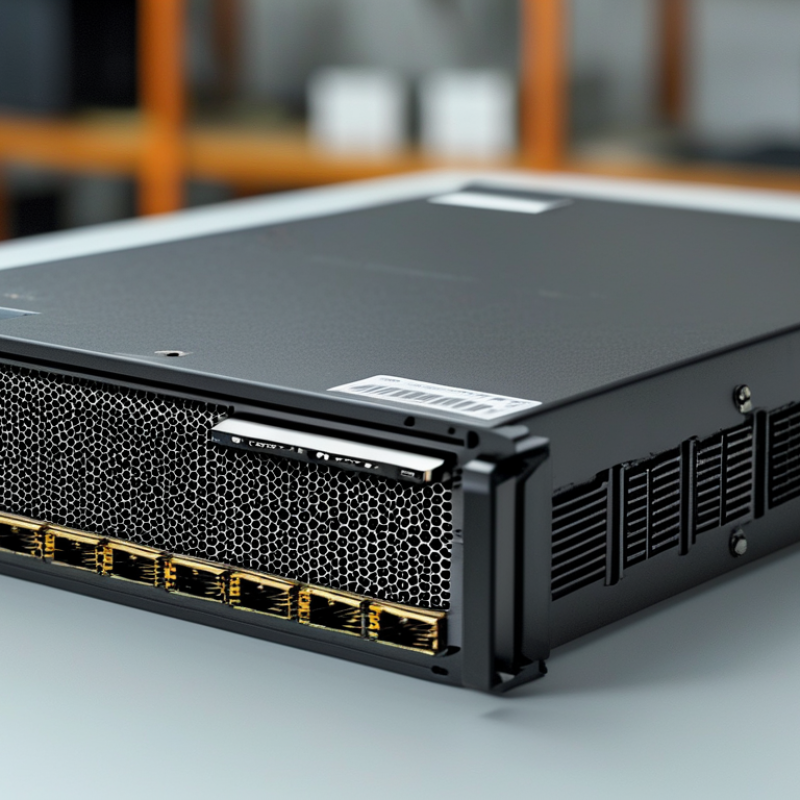
Top Optical Transceiver Manufacturers You Should Consider?

Top Global Optical Transceiver Manufacturers: A Comprehensive Overview

Optical transceivers are essential for modern communication systems, linking devices over vast distances. In today's landscape, understanding the key players in this industry is vital. A diverse range of manufacturers exists, each bringing unique strengths. Their products can differ in performance and reliability, so careful consideration is important.

When evaluating global optical transceiver manufacturers, it's crucial to look beyond just specifications. Consider experience and track record. Many companies offer extensive research and development, driving innovation. Others may lean towards cost-effectiveness, which can sometimes compromise quality. Balancing these factors can be challenging.

Market dynamics also play a role. Companies are continually adapting to newer technologies, aiming to stay relevant. Changes in consumer demand can result in shifts in product availability and features. This variability can create uncertainty. Staying informed about these trends is essential for making sound purchasing decisions. It's a complex landscape with both opportunities and challenges to navigate.

Top Optical Transceiver Manufacturers Overview

Market Share Analysis of Leading Optical Transceiver Suppliers in 2023

In 2023, the optical transceiver market witnessed key shifts.

Understanding the market share of leading suppliers provides valuable insights. Various manufacturers dominate in different regions, showcasing distinct strengths. Some focus on high-speed applications, while others prioritize cost-effectiveness. This diversity is essential for addressing specific industry needs.

Market dynamics are influenced by technological advancements. Emerging trends like increased data center demands drive growth. Suppliers show adaptability in product offerings, enhancing their market presence. Certain companies strive for innovation, yet some remain stagnant. This creates a gap between leaders and laggards. Identifying these patterns helps businesses make informed choices.

Consumer preferences also play a crucial role. Many companies seek reliable, high-performance transceivers. However, some find themselves stuck with outdated models. The speed of deployment often varies widely. Balancing quality and affordability continues to challenge suppliers. For buyers, knowing the top players in this space is essential for successful procurement.

Innovative Technologies Driving Optical Transceiver Production in the Industry

The optical transceiver market is evolving rapidly. Recent technological advancements are transforming how these devices are produced. High-speed data transmission is now achievable through innovative designs and materials. Companies are exploring advanced modulation techniques to boost performance. These changes enhance bandwidth and reduce latency, which is crucial in today's data-driven world.

Moreover, environmental sustainability is becoming a key focus. Manufacturers are looking for greener production methods to minimize their carbon footprint. This shift towards eco-friendly technologies is vital as the industry faces increasing pressure to comply with environmental regulations. However, the transition is not without challenges. Balancing performance and sustainability can sometimes lead to compromises in reliability.

Another interesting trend is the integration of artificial intelligence in design processes. AI can optimize production schedules and improve quality control. It helps manufacturers respond quickly to market demands. Yet, this reliance on AI raises concerns about workforce displacement and the loss of traditional craftsmanship. As innovation continues to drive the industry, addressing these challenges will be essential for future success.

Comparative Performance Metrics of Top Optical Transceivers on the Market

When selecting optical transceivers, performance metrics are crucial. Key parameters include data rate, reach, and power consumption. According to a recent industry report, data rates can reach up to 400 Gbps in high-performance models. This capability is essential for fulfilling the demands of data centers and telecommunications.


Another important metric is transmission reach. Some transceivers can operate effectively over distances exceeding 100 kilometers without significant signal degradation. The choice of optical fiber type significantly influences this aspect. For instance, single-mode fibers perform better over longer distances compared to multimode fibers. Industry studies highlight that nearly 40% of failures in communication are due to inadequate reach or poor signal integrity.


Power consumption plays a vital role as well. Modern transceivers are increasingly designed for energy efficiency, a necessity given the rising operational costs in data centers. New models have shown a 30% improvement in energy consumption compared to previous generations. However, not all manufacturers achieve efficiency equally. Some may compromise performance for lower power usage, leading to potential long-term issues. Each of these metrics should influence buyers’ decisions as they consider both current and future needs.

Emerging Trends and Future Outlook for Optical Transceiver Manufacturers

The optical transceiver industry is evolving rapidly. Manufacturers are adapting to new technologies to meet market demands. One major trend is the shift towards higher data transmission rates. As applications like 5G and cloud computing rise, the need for faster and more reliable transceivers will grow.

Additionally, energy efficiency is becoming a priority. Manufacturers are focusing on producing devices that consume less power while delivering high performance. This shift not only supports environmental sustainability but also reduces operational costs for users.

Tips: Always evaluate the specifications before making a purchase. Understand the technology behind the transceivers. Not every product will meet your needs. Research is crucial. Keeping an eye on market trends will help you make informed decisions. Balancing performance and cost can be challenging, but it is essential for future-proofing.

FAQS

: What are optical transceivers used for?

: They link devices over long distances in modern communication systems.

Why is it important to evaluate manufacturers carefully?

Each manufacturer has unique strengths in performance and reliability.

What should be considered besides product specifications?

Experience and track record are critical factors to evaluate.

How do market dynamics affect optical transceiver production?

Companies adapt to new technologies and changing consumer demands, creating uncertainty.

What recent advancements are impacting optical transceiver technology?

High-speed data transmission and advanced modulation techniques enhance performance.

Why is environmental sustainability important in this industry?

Manufacturers face pressure to adopt eco-friendly methods and reduce their carbon footprint.

What challenges arise from the focus on sustainability?

Balancing performance and sustainability can compromise reliability at times.

How is artificial intelligence being used in optical transceiver production?

AI optimizes production and quality control, speeding up responses to market needs.

What concerns come with increased AI usage in manufacturing?

There may be workforce displacement and a loss of traditional skills.

Why is staying informed about industry trends important?

Trends can influence product availability and features, impacting purchasing decisions.

Conclusion

The article "Top Optical Transceiver Manufacturers You Should Consider" provides a comprehensive overview of the leading optical transceiver manufacturers in the global market. It includes a market share analysis for 2023, highlighting the strategic positions of key suppliers. Additionally, the piece explores innovative technologies that are driving production in the industry, showcasing how advancements are enhancing performance and functionality of optical transceivers.

Moreover, the article compares the performance metrics of top optical transceivers currently available, allowing readers to understand the strengths and weaknesses of various products. Finally, it discusses emerging trends and offers insights into the future outlook for optical transceiver manufacturers, emphasizing the evolving landscape of the optical networking industry and the potential for growth and development in the coming years.

Mason

Mason

Mason is a seasoned marketing professional with a deep expertise in the company's offerings and a passion for driving brand awareness. With a strong background in digital marketing strategies, he has an innate ability to connect with diverse audiences and effectively communicate product benefits.......