WaveLink WaveLink

Top Data Center Optical Transceiver Features You Need to Know?

Time:2026-08-29 Author:Ethan
0%

In today's data-driven world, the demand for efficient data center optical transceivers is rising. These components play a critical role in high-speed communications. They enable data centers to manage vast amounts of data seamlessly. However, not all optical transceivers are created equal.

Understanding the key features of a data center optical transceiver is essential for optimal performance. Factors such as transmission speed, distance, and form factor significantly impact overall efficiency. Choosing the right transceiver involves not just looking at specifications but also assessing reliability and performance under different conditions.

As we explore these features, we may encounter complexities and challenges. The market offers many options, and distinguishing between them is often difficult. It’s important to reflect on how each feature aligns with the specific needs of your operations. The right insights can lead to smarter decisions in data center management.
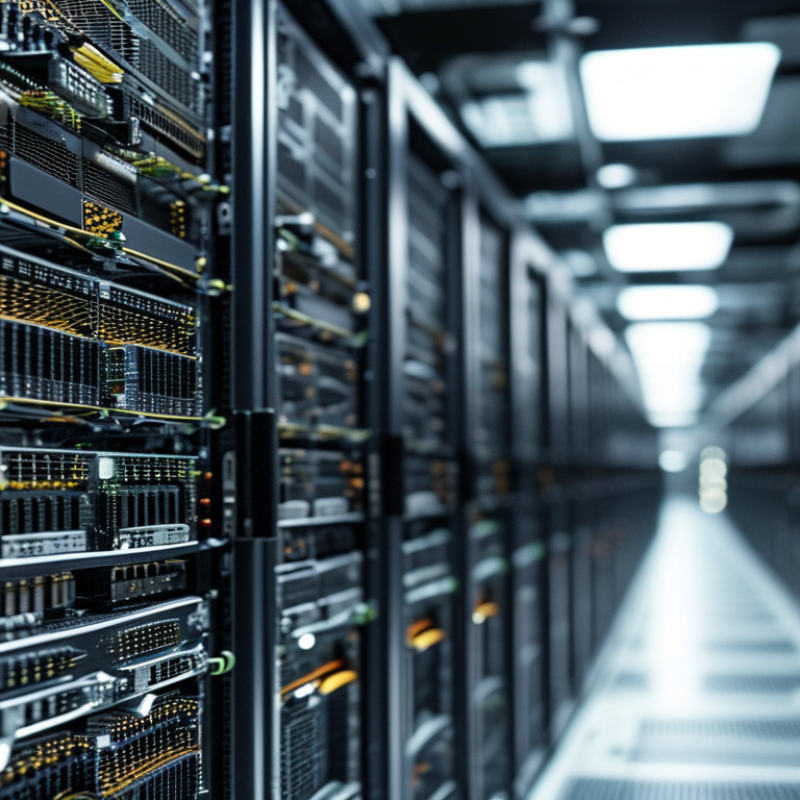
Top Data Center Optical Transceiver Features You Need to Know?

Key Characteristics of Optical Transceivers in Data Centers

When considering optical transceivers for data centers, several key characteristics stand out. These components facilitate high-speed data transfers over fiber optics. Their performance is crucial for seamless network operations. One major feature is data transfer rate. Many optical transceivers offer rates up to 400 Gbps, meeting the demanding needs of modern data infrastructures. Additionally, the reach of these transceivers can vary widely. Some can transmit data over distances exceeding 40 kilometers, which is essential for large-scale operations.

Heat management is another significant aspect. Optical transceivers generate heat, impacting overall system performance. Effective cooling solutions help maintain optimal temperatures. Without proper measures, heat can lead to failures and inefficiencies. This is an area that requires constant evaluation and improvement.

Consider the compatibility of transceivers with your existing hardware. Ensure they can integrate seamlessly into your network setup. Mismatched components can lead to performance drops. Regularly review your optical transceivers to ensure they align with your evolving data needs. In the fast-paced environment of data centers, staying informed and adaptable is key to maintaining an efficient operation.

Top Data Center Optical Transceiver Features You Need to Know

Feature Description Typical Range Applications
Data Rate The speed at which data can be transmitted 1 Gbps to 400 Gbps High-speed networking
Wavelength The light frequency used for transmission 850 nm, 1310 nm, 1550 nm LAN, WAN connections
Transmission Distance The maximum distance data can travel Up to 80 km Long-range data center connections
Form Factor The physical size and shape of the transceiver SFP, SFP+, QSFP, etc. Switch and router interfaces
Connector Type Type of connector used for the transceiver LC, SC, MPO Fiber optic cables
Power Consumption Energy used by the transceiver during operation < 10 W Energy-efficient networking

Understanding Data Rates and Bandwidth for Optical Transceivers

Optical transceivers play a crucial role in data centers, affecting the overall network performance. Understanding data rates and bandwidth is essential for selecting the right optical modules. According to the Optical Internetworking Forum (OIF), modern data centers demand a minimum of 100 Gbps bandwidth to meet escalating traffic needs. As applications like cloud computing and AI drive data growth, transceivers equipped for high data rates become indispensable.

Bandwidth is the maximum data transfer rate of a network connection. For instance, optical transceivers with 400 Gbps capabilities are increasingly common. These devices allow for faster data transmission over longer distances. An industry report from ResearchAndMarkets highlights that the global optical transceiver market is expected to grow at a CAGR of 15% from 2023 to 2030, emphasizing the rising importance of bandwidth in data transmission.

In practice, achieving optimal bandwidth can be challenging. Factors such as signal integrity and fiber optics performance can hinder efficient data flow. Data centers must also consider latency issues, which can affect overall network efficiency. A well-balanced approach to selecting optical transceivers, taking into account these variables, is critical for future-proofing data center infrastructure. Continuous monitoring and assessment of these components help maintain performance standards in an ever-evolving landscape.

Top Data Center Optical Transceiver Features

This chart illustrates the maximum data rates of various optical transceiver types used in data centers. Understanding these features is essential for optimizing bandwidth and overall network performance.

Importance of Wavelength Compatibility in Data Center Applications

Wavelength compatibility is crucial in data center applications. The correct wavelength ensures efficient data transmission. For instance, wavelengths between 850 nm and 1310 nm are commonly used for multimode and single-mode fibers. This compatibility minimizes signal loss, improving overall performance.

Data shows that wavelength mismatches can lead to significant data loss. A study conducted by the Optical Networking Association found that over 30% of network failures are due to incompatibility issues. When deploying optical transceivers, a mismatch can slow down data transport and increase latency. Achieving optimal performance relies heavily on selecting the right wavelengths.

Moreover, technologies like Dense Wavelength Division Multiplexing (DWDM) can enhance capacity. DWDM allows multiple signals to be sent over a single fiber, maximizing bandwidth. However, ensuring that all equipment supports appropriate wavelengths is essential. Many data centers struggle with outdated infrastructure that limits bandwidth capabilities. This results in missed opportunities for efficiency gains. Operators need to assess their systems and make strategic upgrades to support advanced optical technologies.

Evaluating Signal Integrity and Performance Metrics of Transceivers

When evaluating optical transceivers for data centers, signal integrity is crucial. Quality transceivers ensure minimal signal loss and low jitter. These factors enhance data transmission reliability. Designers often focus on error rates and bit error ratios to gauge performance. A low bit error rate indicates a solid communication pathway. Engineers should also consider the impact of temperature fluctuations on transceiver behavior. Temperature changes can affect signal quality, leading to degraded performance.

Performance metrics play a key role in determining the suitability of a transceiver. Key metrics include insertion loss and return loss. Insertion loss measures how much of the signal is lost as it passes through the device. Return loss quantifies the amount of light that is reflected back into the system. Understanding these measurements allows engineers to select the right transceiver for specific applications. It's essential to analyze different configurations to ensure the best choice.

Sometimes, testing can reveal unexpected results. A transceiver may perform well in a controlled environment but falter in real-world conditions. This variability underscores the importance of practical evaluations. Measuring performance under various conditions helps ensure the selected transceiver meets operational demands. Close attention to these factors can lead to more reliable and efficient data center operations.

Trends in Optical Transceiver Technology and Future Developments

The landscape of optical transceiver technology is evolving rapidly. The shift towards higher data rates and increased bandwidth is crucial for modern data centers. New developments focus on cutting-edge modulation formats, which enhance data transmission efficiency. As the demand for faster communication grows, we see innovations in wavelength division multiplexing (WDM). This allows multiple data streams to coexist on a single optical fiber, maximizing its capacity.

Future trends indicate a significant move toward energy efficiency. Optical transceivers are designed to consume less power while maintaining performance. Advanced cooling solutions and smart technologies are being integrated into these devices. However, the challenge lies in balancing speed and energy consumption. Companies continue to experiment with different materials and designs, which often leads to unexpected results. Testing these innovations is critical, as not every attempt yields the desired outcome. The journey to perfecting optical transceivers is fraught with trial and error. Innovation often reveals limitations and inspires further exploration.

FAQS

: What is the primary role of optical transceivers in data centers?

: They facilitate high-speed data transfers over fiber optics.

What is a standard data transfer rate for modern optical transceivers?

Many offer rates up to 400 Gbps.

Why is heat management important for optical transceivers?

Heat impacts system performance and can cause failures if not managed properly.

How far can some optical transceivers transmit data?

Some can exceed distances of 40 kilometers.

What should you check before integrating optical transceivers?

Ensure compatibility with your existing hardware.

What is a common challenge in achieving optimal bandwidth?

Factors like signal integrity may hinder efficient data flow.

How is the optical transceiver market expected to grow?

It is projected to grow at a CAGR of 15% from 2023 to 2030.

What is the minimum bandwidth needed for modern data centers?

A minimum of 100 Gbps is typically required.

Why is continuous monitoring of optical transceivers necessary?

To maintain performance standards in a changing environment.

What can affect overall network efficiency in data centers?

Latency issues and component mismatches can decrease performance.

Conclusion

The article "Top Data Center Optical Transceiver Features You Need to Know" provides an in-depth exploration of critical characteristics that define the functionality and efficiency of data center optical transceivers. It begins by highlighting essential features such as data rates and bandwidth capabilities, which are crucial for ensuring seamless data transmission and optimizing network performance. Understanding wavelength compatibility is also emphasized, as it directly impacts the interoperability of components within data center applications.

Moreover, the article evaluates signal integrity and outlines key performance metrics necessary for assessing the reliability of optical transceivers. It concludes with a discussion on emerging trends and future developments in the optical transceiver technology landscape, underscoring ongoing innovations that enhance data center infrastructures. This comprehensive overview serves as a valuable resource for anyone looking to deepen their understanding of data center optical transceiver technologies and their implications for modern data networks.

Ethan

Ethan

Ethan is a seasoned marketing professional with a deep expertise in our company's innovative product line. With a passion for sharing knowledge and insights, he takes the lead in regularly updating our corporate blog, where he explores industry trends, product features, and effective marketing......