WaveLink WaveLink

How to Choose the Best Telecom Optical Transceiver for Your Needs?

Time:2026-09-03 Author:Aria
0%

Choosing the right telecom optical transceiver can be a daunting task. With countless options available, making the best decision is essential for boosting network performance. The right transceiver impacts data rates, distance, and the overall integrity of your telecom system.

When considering a telecom optical transceiver, think about your specific needs. Different applications require different specifications. Factors such as compatibility with existing devices and network architecture play a crucial role. You may need to reflect on the environment where the transceiver will be deployed. Is it an outdoor or indoor setting? Such details matter significantly.

Reliability is key in telecommunications. Selecting a high-quality optical transceiver ensures minimal signal loss and maximum uptime. It's worth noting, however, that opting for the most expensive option does not always guarantee the best performance. Evaluating customer reviews and technical specifications can provide valuable insight. Remember, a poorly chosen telecom optical transceiver could lead to frustrating network issues.
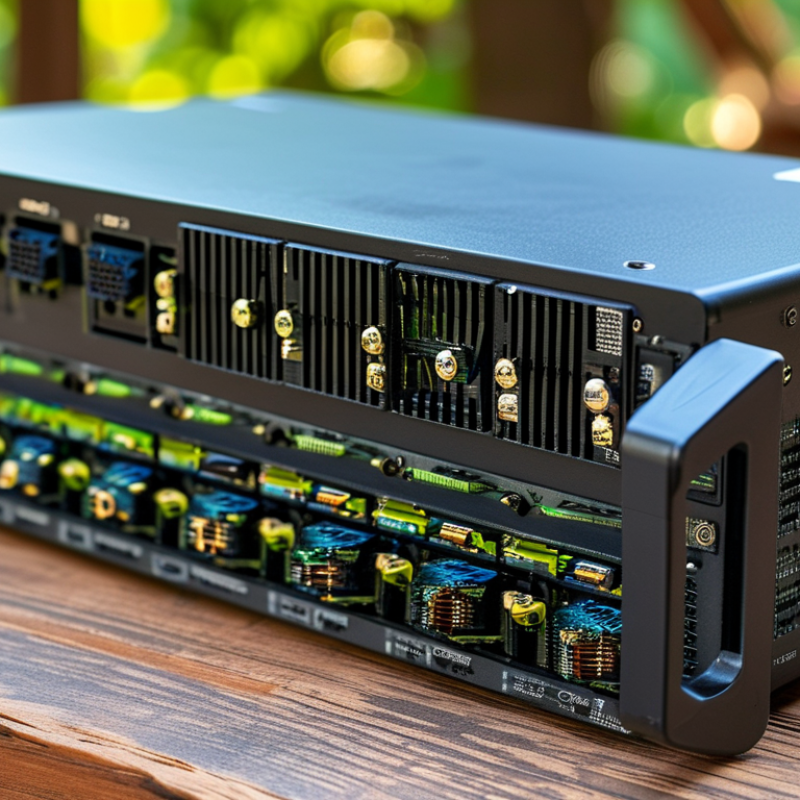
How to Choose the Best Telecom Optical Transceiver for Your Needs?

Understanding Optical Transceivers: Types and Functions

Understanding optical transceivers requires a grasp of their types and functions. Optical transceivers serve as crucial components in telecommunications networks, converting electrical signals into optical signals and vice versa. They ensure high-speed data transmission over long distances. There are various types of optical transceivers, including SFP, SFP+, and QSFP modules. Each type serves different bandwidth and distance requirements. Knowing these specifics can lead to better decisions, aligning equipment with network needs.

Choosing the right optical transceiver can be tricky. Always consider factors such as compatibility with existing hardware and the required data rates. Using transceivers that are too advanced or mismatched can lead to underperformance. Ensure that your selection supports the protocols and distances you expect to use. Sometimes, more expensive options do not equate to better performance in every situation. Assess your network's actual needs carefully.

Testing and monitoring your transceiver's performance is essential. This can reveal issues that affect overall network efficiency. Keep track of signal strength and error rates. If problems arise, troubleshooting may be necessary. Don't hesitate to revisit your choice if performance is lacking. Strive for a balance between reliability and cost-effectiveness in your optical transceiver selection. The right approach can enhance your network's performance significantly.

Key Specifications to Consider When Choosing Telecom Transceivers

Choosing the right telecom optical transceiver is crucial for network performance. Understanding key specifications ensures you select a suitable option.

Transceiver compatibility is vital. Ensure your chosen transceiver matches your existing equipment. Look at the form factor of the transceiver. Common types include SFP, SFP+, and QSFP+, each designed for specific uses. A mismatch may lead to unexpected issues or additional costs.

Another important specification is the data rate. Different transceivers support various speeds, from 1 Gbps to 400 Gbps. Assess your current and future bandwidth needs. Selecting a transceiver with higher capacity offers room for growth.

When choosing, consider distance limitations too. Fiber optic transceivers can cover short or long distances. Their reach is often affected by the type of fiber used. For example, single-mode fibers can achieve longer distances than multimode fibers. Knowing your distance requirements can save expenses on replacements.

Evaluating these specifications needs careful thought. Even small oversights can lead to larger problems down the line. Take the time to research and consult experts if necessary.

How to Choose the Best Telecom Optical Transceiver for Your Needs? - Key Specifications to Consider When Choosing Telecom Transceivers

Specification Description Importance
Data Rate The speed at which data is transmitted, usually measured in Gbps. High - Determines the bandwidth capacity.
Wavelength The light wave frequency, typically measured in nanometers (nm). Medium - Affects the reach and compatibility.
Connector Type The type of connector used, such as LC, SC, or MPO. High - Must match your existing infrastructure.
Distance Maximum transmission distance, typically in kilometers. High - Ensures coverage in your network.
Form Factor Physical size and shape, commonly SFP, SFP+, or QSFP. Medium - Compatibility with switches and routers.
Transmission Medium Type of fiber optic cabling used (single-mode or multi-mode). High - Affects data integrity and distance.
Temperature Range Operating temperature limits. Medium - Ensures reliable operation in your environment.

Evaluating Compatibility with Network Infrastructure and Devices

Choosing the right optical transceiver requires a thorough understanding of your network's infrastructure. Compatibility is crucial. According to industry reports, nearly 70% of network issues stem from mismatched components. This highlights the importance of ensuring all devices communicate effectively.

When assessing compatibility, start by reviewing your current devices. Evaluate data rates, connector types, and distance requirements. Transceivers must match these specifications. Use tools like SFP and SFP+ standards as guidelines. A mismatch here can lead to suboptimal performance. Clarity in requirements can save time and reduce costs.

Moreover, consider the future scalability of your network. In a rapidly evolving tech landscape, choosing transceivers that support higher data rates is wise. Reports suggest that data demand is expected to grow exponentially. Anticipating future needs can prevent costly upgrades. However, not every solution will fit smoothly. Complexity in integration could cause new challenges. Striking a balance between immediate needs and future-proofing is essential.

Assessing Cost-Effectiveness: Performance vs. Budget in Transceivers

Choosing the right telecom optical transceiver can be challenging. It’s important to weigh performance against budget constraints. A high-performing transceiver might reduce latency and enhance bandwidth. However, it can come with a hefty price tag. Understanding your specific needs is crucial.

Are you running a large-scale data center or a small office setup? Larger operations may benefit from advanced capabilities, justifying their cost. Smaller businesses, on the other hand, might prioritize budget-friendly options. Evaluating long-term costs, like energy consumption and maintenance, is also vital. Opting for the cheapest option may lead to higher expenses over time due to potential downtimes.

Not all features are necessary for every setup. It’s common to overlook a transceiver's lifetime and compatibility. Focusing solely on upfront costs can lead to regrets later. Reflect on your current and future needs. Will the transceiver accommodate growth? This is an area needing careful consideration. Balancing performance and budget is not just a numbers game; it requires insight into your operational requirements.

Recent Trends and Innovations in Optical Transceiver Technology

Recent advancements in optical transceiver technology are shaping the future of telecommunications. High capacity and speed are now standard expectations. Innovations like coherent optics and advanced modulation techniques have increased data rates significantly. These improvements make transceivers capable of handling 400G and beyond. As a result, service providers can offer high-speed internet and enhanced connectivity.

Another trend is the shift toward pluggable optics. This flexibility allows network operators to easily upgrade systems. Modular designs facilitate maintenance and reduce downtime. However, the pace of innovation can lead to confusion. With many options available, users may struggle to select the right components. The rapid evolution of technology can outpace knowledge and training, leaving gaps in understanding.

One notable area of development is the integration of Artificial Intelligence into transceiver management. AI enables better network reliability and performance. Predictive maintenance can identify potential issues before they escalate. This proactive approach enhances system efficiency. Yet, implementing such technologies raises questions. Are the potential benefits worth the investment? How well will existing systems adapt to incoming changes? Balancing innovation with practicality is a challenge that professionals must navigate carefully.

Optical Transceiver Market Trends (2023)

This chart illustrates the market share of various types of optical transceivers as of 2023. SFP and SFP+ have the highest market shares, indicating their popularity in telecom applications.

FAQS

: What functions do optical transceivers serve?

: They convert electrical signals to optical signals and ensure high-speed data transmission over long distances.

How do I choose the right optical transceiver?

Consider compatibility, data rates, and required protocols. Mismatched transceivers can lead to underperformance.

What types of optical transceivers are common?

Common types include SFP, SFP+, and QSFP modules, each designed for different bandwidth and distance needs.

Why is performance testing important for transceivers?

Testing reveals signal strength and error rates, helping identify issues affecting network efficiency.

How can distance limitations impact transceiver selection?

Fiber optic transceivers vary in reach. Single-mode fibers cover longer distances than multimode fibers.

Are more expensive transceivers always better?

Not necessarily. Higher prices don't guarantee better performance; understanding your needs is crucial.

Should I consider future bandwidth needs when selecting a transceiver?

Yes, choosing a transceiver with higher capacity allows room for future growth and avoids costly replacements.

What mistakes should I avoid when choosing transceivers?

Overlooking compatibility and focusing on upfront costs can lead to performance issues and regrets later.

How can budget impact transceiver choice?

Balance performance with budget. Cheaper options may lead to higher long-term costs due to potential downtimes.

How important is consulting experts before purchasing?

It’s essential. Research and expert input can prevent costly oversights and enhance decision-making.

Conclusion

When selecting the best telecom optical transceiver for your needs, it is essential to understand the various types and functions available in the market. Key specifications such as data rate, distance, and wavelength play a crucial role in determining the right transceiver for specific applications. Additionally, evaluating the compatibility of the transceiver with existing network infrastructure and devices can prevent integration issues and ensure optimal performance.

Cost-effectiveness is another critical consideration; it's important to strike a balance between performance and budget when choosing a telecom optical transceiver. Finally, staying informed about recent trends and innovations in optical transceiver technology can help in making informed decisions that align with future networking needs. By carefully assessing these factors, you can select a telecom optical transceiver that meets your demands while providing reliable and efficient connectivity.

Aria

Aria

Aria is a dedicated marketing professional with a deep passion for innovative strategies and a keen understanding of our company's product offerings. With a wealth of experience in the industry, Aria excels at crafting engaging content that highlights the unique features and benefits of our......