WaveLink
Choosing the right fiber optic transceiver is crucial for modern networking needs. According to a recent report by Market Research Future, the fiber optic transceiver market is expected to grow at a CAGR of 10.5% between 2021 and 2027. This highlights the increasing demand for optimal networking solutions across industries.
In a recent interview, fiber optic expert Dr. Jane Thompson stated, "Selecting the correct fiber optic transceiver can significantly enhance network performance and reliability." With various specifications, such as data rate, transmission distance, and form factor, making an informed choice can be challenging.
It’s vital to consider the specific requirements of your network. Compatibility with existing systems is essential to avoid disruptions. Users often overlook the importance of these parameters, leading to potential inefficiencies. While many options exist, only a few will perfectly match your needs. Taking the time to assess these factors is not just wise; it’s necessary for future-proofing your network.
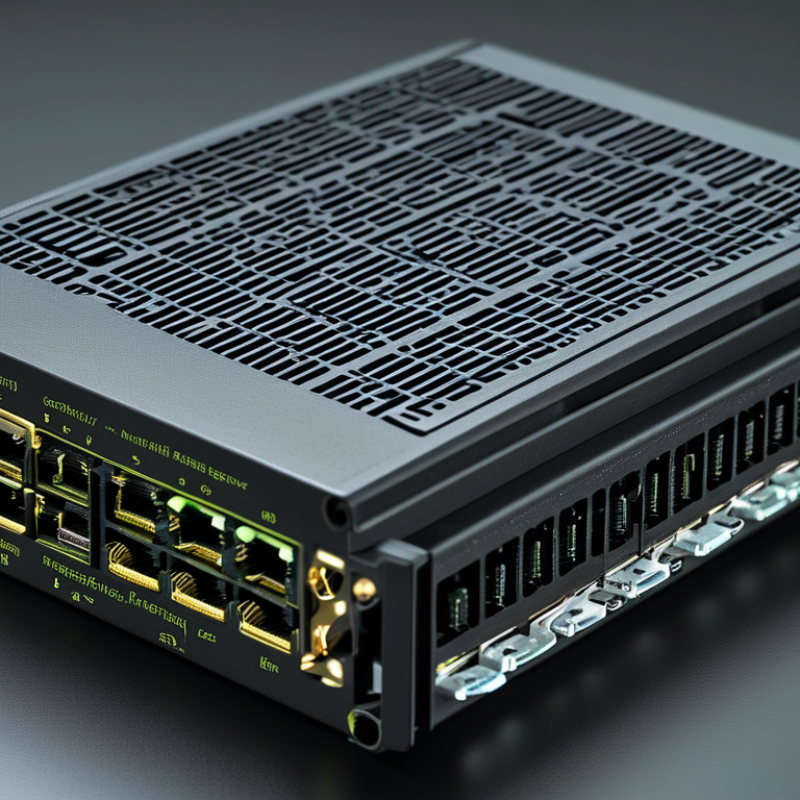
Fiber optic transceivers play a crucial role in network communication. They convert electrical signals into optical signals and vice versa. This technology supports high-speed data transfer over long distances with minimal loss. The components include a light source, a detector, and various connectors. Understanding their functionalities is vital for efficient networking.
When selecting a transceiver, consider the transmission distance. Some transceivers are designed for short-range, while others serve long-distance applications. You might encounter terms like “single-mode” or “multi-mode” fiber. Each has its unique advantages and limitations. It's essential to reflect on your network's requirements to choose accordingly.
Keep in mind that compatibility is crucial. Ensure the transceiver matches your existing network equipment. Additionally, optical performance specifications, such as data rate and wavelength, should be scrutinized. Sometimes, the ideal choice might not be clear, leading to second guesses about performance and reliability. Understanding these factors helps in making an informed decision.
This chart compares the transmission distance and data rates of various types of fiber optic transceivers including SFP, SFP+, and QSFP+. Choose the right transceiver based on your network requirements.
Choosing the right fiber optic transceiver can be challenging. Various factors need careful consideration. The first aspect is compatibility with your network infrastructure. Ensure that the transceiver works with existing equipment. This includes checking the connector type, wavelength, and communication protocol.
Another essential factor is the required distance for data transmission. Different transceivers support varying distances. For short-range applications, multimode transceivers might suffice. However, for longer distances, single-mode options provide better performance. It's crucial to evaluate your specific needs against the capabilities of available transceivers.
Additionally, look at the data rate. Different applications require different bandwidths. A high-speed network might necessitate a transceiver that handles 10 Gbps or more. Assess the future growth of your network as well. Opting for higher capacity transceivers can be a wise decision. There’s often a trade-off between cost and performance. Failing to balance these can lead to overinvestment or inadequate speed. Always review multiple options before making a final decision.
| Factor | Description | Typical Range |
|---|---|---|
| Wavelength | The light wavelength in nanometers. | 850nm, 1310nm, 1550nm |
| Distance | The maximum distance the signal can travel. | Up to 10km, 40km, 80km |
| Data Rate | The speed at which data can be transmitted. | 1G, 10G, 100G |
| Connector Type | The type of connector used with the transceiver. | LC, SC, ST |
| Form Factor | The physical size and shape of the transceiver. | SFP, SFP+, QSFP+ |
| Temperature Range | Operating temperature of the transceiver. | -40°C to 85°C |
When selecting a fiber optic transceiver, understanding the various types available is crucial. There are mainly two categories: SFP (Small Form-factor Pluggable) and SFP+ for higher bandwidth applications. Each type serves different needs. SFPs may suffice for standard applications, while SFP+ transceivers support faster data rates. It’s important to assess your specific requirements before making a choice.
Next, consider the distance and environment where the transceiver will be used. For short-range connections, multimode transceivers work effectively. They offer a cost-efficient solution for data centers and local networks. On the other hand, single-mode transceivers are ideal for long-distance connections. They ensure reliable performance over vast distances. However, it’s essential to weigh the cost implications and performance trade-offs for your setup.
Compatibility is another factor often overlooked. Ensure your chosen transceiver aligns with your existing equipment. Incompatibility can lead to connectivity issues. Researching specifications and standards is vital. Sometimes, it might be worth consulting with experts. A small misalignment can lead to significant downtime and frustrations. Trusting the right knowledge is key in this decision-making process. While it’s easy to rush, an informed choice will yield better results.
When choosing a fiber optic transceiver, compatibility is vital. Many organizations overlook this aspect, leading to performance issues. According to industry reports, nearly 30% of network failures stem from incompatibility in transceivers. Network equipment has specific requirements and standards that must be met. This includes the type of connection, transmission distance, and data rate.
Matching transceivers to your devices can be tricky. Different equipment brands often use unique protocols. A transceiver that works well with one manufacturer’s system may not function at all with another. It’s essential to check both the physical interface and the protocol. This ensures optimal performance and network reliability. For example, compatible transceivers can maintain data rates around 100 Gbps, but mismatched components can slow it down dramatically.
Documentation can be overwhelming. Many companies lack clear guidelines on compatibility. Users might find themselves stuck with poorly performing equipment. Conducting thorough research on transceiver specifications and equipment compatibility is crucial. Consulting with industry reports can help clarify these technical aspects. Ensuring that all components work seamlessly will enhance your network's efficiency in the long run.
Choosing the right fiber optic transceiver is crucial for network efficiency. When evaluating performance specifications, start with data rate. Most optical transceivers support speeds like 1G, 10G, and up to 400G. A report from the Optical Internetworking Forum indicates that nearly 70% of enterprises prefer 10G for their backbone networks due to cost efficiency.
Consider the transmission distance next. Transceivers can operate over short distances (<300 meters) or long distances (>80 kilometers). Choosing the right distance ensures optimal signal strength and reduces latency. According to a study by the Telecommunications Industry Association, signal loss can exceed 1 dB/km in certain environments, making selection critical.
Wavelength also plays a significant role. Common wavelengths like 850nm and 1310nm have specific applications. High-speed networks often benefit from 1550nm light sources, which minimize attenuation. However, selecting mismatched wavelengths can lead to performance issues. Balancing these specifications is vital.
It can be challenging to determine the best-fit option, given the fast-evolving technology landscape. Constant feedback from network performance is necessary to refine choices continuously.
: Compatibility with your network infrastructure is essential. Check the connector type and communication protocol.
Different transceivers support different distances. Use multimode for short-range and single-mode for long distances.
Assess the required bandwidth. High-speed networks may need transceivers that handle 10 Gbps or more.
Performance specifications directly impact network efficiency. Proper selection ensures optimal signal strength and reduces latency.
Wavelengths like 850nm and 1550nm have specific applications. Mismatched wavelengths can lead to performance issues.
Not balancing cost and performance can lead to overinvestment or inadequate speed.
Opt for higher capacity transceivers to accommodate future needs. Continuous evaluation is necessary.
Signal loss can exceed 1 dB/km in some environments, making careful selection vital for performance.
Yes, technology evolves quickly. Constant feedback from network performance helps in refining choices.
Incorrect choices can cause performance issues and affect communication within your network.
Choosing the right fiber optic transceiver is crucial for ensuring optimal network performance. Understanding fiber optic transceivers begins with a comprehensive overview of their functionality and the various types available. Key factors to consider when selecting a transceiver include compatibility with existing networking equipment and the specific performance specifications that align with your network needs.
Different types of fiber optic transceivers, such as SFP, SFP+, and QSFP, cater to diverse applications, making it essential to evaluate each option. Moreover, assessing compatibility is vital to avoid connectivity issues, while focusing on performance specifications can significantly enhance network efficiency. By carefully considering these aspects, you can select the most suitable fiber optic transceiver to meet your organizational requirements and support robust communication.
