In today’s rapidly evolving digital landscape, the right networking solution is crucial. Many organizations face challenges in achieving optimal data transfer rates. This is where the SFP+ transceiver emerges as a vital component. It delivers high-speed connections in a compact form factor, making it popular among network professionals.
With its ability to support data rates up to 10 Gbps, the SFP+ transceiver has become a go-to choice for many IT infrastructures. Its versatility allows integration with various types of network equipment. While it’s effective, one must consider compatibility and specific use cases. Some may struggle with installation or configuration, leading to potential network inefficiencies.
Understanding the benefits of the SFP+ transceiver is essential for making informed decisions. It not only enhances performance but also provides flexibility in network design. Investing time in researching the best options can lead to improved connectivity and overall productivity. Embracing this technology is a step towards a more robust and efficient network.
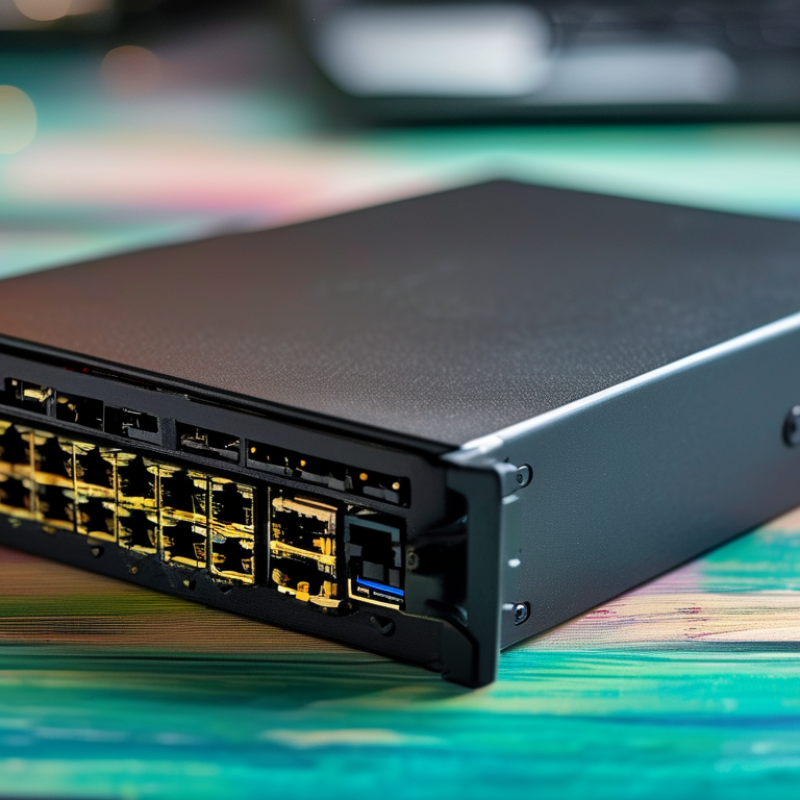
Understanding SFP+ Transceivers and Their Functionality
SFP+ transceivers play a crucial role in modern networking. These compact devices enable high-speed data transmission over fiber optic cables. They are designed to support speeds up to 10 Gbps. This speed facilitates seamless communication between devices.
Moreover, SFP+ transceivers can be used in various applications, including data centers and enterprise networks.
Understanding their functionality is essential. SFP+ transceivers connect networking equipment like switches and routers. They convert electrical signals into optical signals and vice versa. This process allows for long-distance communication without significant loss of data.
While the setup is relatively straightforward, selecting the right transceiver for your network can be tricky. Factors such as distance requirements and network architecture must be considered.
The versatility of SFP+ transceivers can also be a double-edged sword. With various types available, choosing the wrong one can lead to compatibility issues. It's important to assess your specific needs carefully. Some users may overlook the significance of checking for compatibility, resulting in unexpected network downtime. Thus, while SFP+ transceivers offer immense benefits, users must navigate their selection with caution.
Key Advantages of Using SFP+ Transceivers in Networking
SFP+ transceivers have become a popular choice for networking solutions. Their compact size makes them easy to install in a variety of systems. These transceivers support high bandwidth, reaching up to 10 Gbps. This capability is vital for accommodating the growing data demands of modern networks.
One significant advantage of SFP+ transceivers is their versatility. They support different types of cabling, including copper and fiber optic. This adaptability allows network engineers to tailor their setups according to specific requirements. For example, an organization might use fiber optics for long distances, while copper cables prove effective over shorter runs.
Tips: Always check compatibility with your existing hardware. Not all SFP+ models work in every device. Regularly monitor network performance. Adjustments might be necessary as your traffic patterns evolve. Investing time in these practices can lead to more reliable networking.
It’s also important to consider power consumption. While SFP+ transceivers are generally efficient, not every model is designed the same. Some may use more power than expected. Make sure to analyze power usage, especially in large networks. This evaluation can prevent overheating and reduce operational costs.
Comparing SFP+ with Other Transceiver Types
When it comes to networking, various transceiver types serve different purposes.
SFP+ transceivers offer several advantages over traditional modules. They support higher data rates, up to 10 Gbps, making them suitable for data-intensive applications. This higher speed can greatly improve network efficiency.
In contrast, older SFP modules typically provide only 1 Gbps. This limitation can hinder performance, especially as networks expand. Moreover, SFP+ transceivers are more versatile. They often come with greater compatibility for diverse networking equipment, which simplifies integration in various setups.
However, the choice is not always straightforward. SFP+ usually comes at a higher cost than traditional SFP modules. Organizations must carefully assess their specific needs. Cost considerations can lead to a compromise on performance. Ultimately, understanding the nuances between these transceiver types is crucial in making an informed decision.
Applications of SFP+ Transceivers in Modern Networks
SFP+ transceivers play a crucial role in modern networking. They are compact, hot-swappable devices that connect network switches, routers, and servers. Their applications are diverse, spanning data centers, enterprise networks, and telecom infrastructures. With the increasing demand for higher bandwidth, SFP+ transceivers are becoming indispensable.
In data centers, SFP+ transceivers support 10 Gigabit Ethernet connections. This enhances data transfer speeds and network efficiency. Moreover, they are essential in fiber-optic connections, where longer distances require strong signal integrity. However, deploying SFP+ can be complex. One must understand compatibility and signal types. An error in selection might lead to connectivity issues.
**Tip:**
Always verify the specifications before purchasing transceivers. Make sure they match your equipment.
Enterprise networks also benefit greatly from SFP+ transceivers. They enable high-speed internet access and can manage heavy traffic loads. The choice of optical or copper cables can affect overall network performance. A common mistake is overlooking cable lengths and types. This oversight can result in degraded signals and reduced network speed.
**Tip:**
Regularly review your network setup. Identify areas where SFP+ can improve performance.
In telecom infrastructures, these transceivers ensure seamless communication. They can support various protocols and adapt to evolving network needs. Yet, careful planning is necessary when integrating SFP+ into legacy systems. Misalignment may create bottlenecks in data flow.
**Tip:**
Evaluate your future needs. Consider scalability while integrating new technology.
Selecting the Right SFP+ Transceiver for Your Requirements
When selecting the right SFP+ transceiver, several factors come into play. Consider the data rate necessary for your network. SFP+ transceivers typically support a maximum rate of up to 10 Gbps. It's crucial to assess your current and future bandwidth requirements. Overestimating may lead to unnecessary expenses, while underestimating can result in network bottlenecks.
Compatibility is another significant aspect. Ensure the transceiver works with your existing equipment. A mismatch can cause connectivity issues and downtime. Review the specifications of your devices. Sometimes, vendors provide guidelines for compatible models. However, not all information is clear. Cross-checking with technical resources or community forums can provide additional insights.
Cable type and distance are also important. The SFP+ transceiver's performance varies depending on the medium it is used with. For instance, optical transceivers work well for long distances but may not be suitable for short runs. There is often a trade-off between speed, distance, and cost. Understanding these factors helps in making an informed choice. Engaging with industry experts can enhance your decision-making process, ensuring your selection fits your unique networking needs.
FAQS
: SFP+ transceivers convert electrical signals into optical signals, enabling high-speed data transmission.
They support data rates up to 10 Gbps, facilitating efficient communication between devices.
A mismatch can cause connectivity issues, leading to potential network downtime and performance problems.
SFP+ modules offer higher speeds, up to 10 Gbps, while older SFP modules typically provide only 1 Gbps.
The medium affects performance. Optical transceivers work well for long distances, while other types may suit shorter distances.
SFP+ modules can be more expensive. Organizations must balance performance needs with budget constraints on their choice.
No, not all are compatible. Users need to verify specifications and guidelines from vendors carefully.
Yes, overestimating may lead to unnecessary spending, making it vital to assess future requirements accurately.
They can provide valuable insights and clarity on compatibility and performance expectations.
It can be complex. Users should critically evaluate their specific needs to avoid potential mistakes and inefficiencies.
Conclusion
The SFP+ transceiver has emerged as a crucial component in modern networking, offering enhanced functionality and flexibility for data transmission. Understanding its features and operational role is essential for maximizing networking performance. SFP+ transceivers provide significant advantages, including higher data rates and improved interoperability compared to other transceiver types, making them a preferred choice for many enterprises.
In addition to their technical benefits, SFP+ transceivers are widely applicable in various networking scenarios, from data centers to enterprise networks. When selecting the appropriate SFP+ transceiver, it is important to consider specific requirements such as distance, bandwidth, and environmental factors. Ultimately, the right SFP+ transceiver can facilitate efficient and reliable network communication, meeting the demands of contemporary digital infrastructure.
 WaveLink
