In the evolving landscape of networking, the demand for high-speed data transmission is surging. A recent report from Cisco forecasts that global IP traffic will reach 4.8 zettabytes per year by 2022, emphasizing a critical need for robust solutions. The 100G optical transceiver emerges as a key player in meeting these challenges. Its high-bandwidth capabilities support advanced applications in data centers, cloud computing, and enterprise networks.
Choosing a 100G optical transceiver allows organizations to future-proof their infrastructure. With increasing reliance on bandwidth-intensive applications, businesses that adopt this technology can remain competitive. Networks using 100G optical transceivers often experience lower latency and enhanced efficiency. According to industry experts, networks can achieve up to 90% reduction in latency with the right optical components.
However, the transition to 100G optical technology can be complex. Many organizations struggle with integration and compatibility. It is crucial to consider these factors carefully when investing in 100G solutions. Despite potential hurdles, the advantages of adopting 100G optical transceivers are significant and well-documented, paving the way for superior performance and scalability in modern networking.
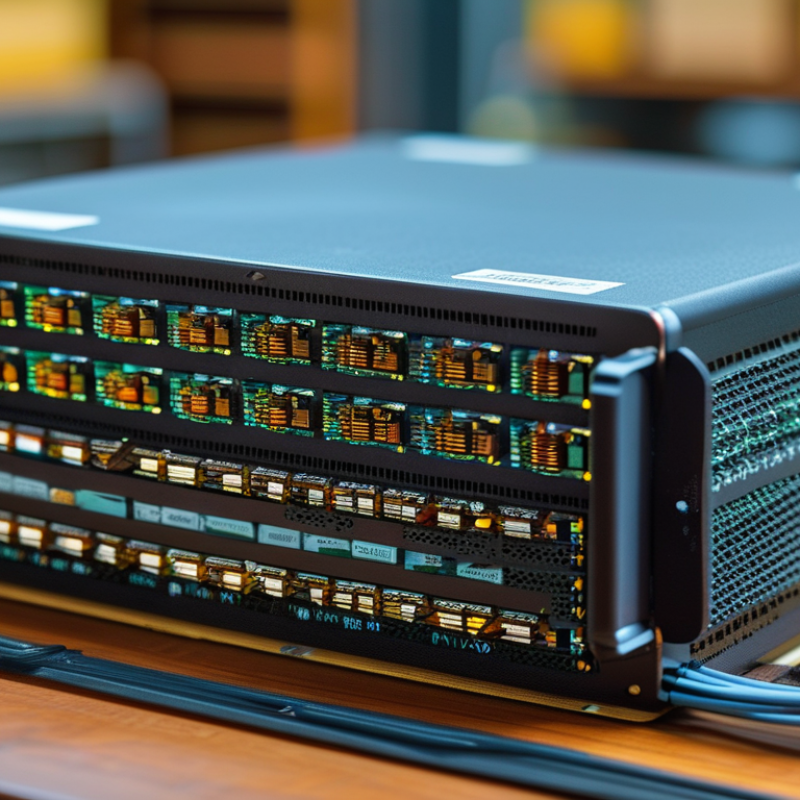
Understanding 100G Optical Transceivers and Their Benefits
100G optical transceivers have emerged as a vital component in modern networking. These devices play a critical role in enhancing data transfer speeds and overall network performance. With the increasing demand for high-bandwidth applications, understanding the benefits of 100G optical transceivers is essential for businesses and organizations.
One significant advantage of 100G optical transceivers is their ability to support multiple networking environments. These devices can handle large volumes of data, making them ideal for data centers, telecommunications, and cloud computing applications. They provide a reliable solution for long-distance connectivity. However, integrating them requires a thoughtful approach, as not all existing equipment may support this upgrade seamlessly.
Despite their many benefits, there are challenges to consider. Transitioning to 100G optical transceivers can involve substantial costs and require compatibility assessments. Organizations must evaluate their needs carefully. While the benefits are clear, the planning and implementation process should not be rushed. Taking these factors into account ensures a smoother transition to a high-performance networking environment tailored to future growth.
Key Applications of 100G Optical Transceivers in Modern Networking
In today's data-driven world, the demand for faster and more reliable network connections has never been higher. 100G optical transceivers offer a solution to meet these needs. They are crucial in high-performance computing, data centers, and telecommunications networks. These transceivers support high bandwidth and low latency, making them ideal for handling large volumes of data. They enable seamless communication and efficient data transfer, which is essential for modern applications.
Industries ranging from finance to healthcare rely on 100G optical transceivers. For instance, in financial sectors, split-second decisions depend on rapid data exchange. In healthcare, real-time data transfer can enhance patient care through quick access to vital information. However, deploying these transceivers requires careful planning. Factors like compatibility with existing infrastructure and potential future scalability should be considered.
Another key application is cloud computing. As businesses migrate to the cloud, robust and secure network connections are essential. 100G optical transceivers help maintain performance and reliability. Yet, the initial cost can be significant. Organizations should weigh the long-term benefits against upfront investments. Evaluating specific networking needs is vital before making a decision. These considerations can often lead to better outcomes and more effective network management.
Why Choose a 100G Optical Transceiver for Your Networking Needs? - Key Applications of 100G Optical Transceivers in Modern Networking
| Application |
Description |
Benefits |
Network Type |
| Data Centers |
High-speed interconnects for server communication |
Enhanced data transfer rates and reduced latency |
Cloud and Enterprise Networks |
| Telecommunications |
Long-distance data transmission |
Increased bandwidth capacity for voice and video |
Carrier Networks |
| High-Performance Computing |
Fast data exchange between servers |
Improved computational speed and efficiency |
Supercomputing Centers |
| Video Streaming |
Distribution of high-definition video content |
Higher quality streaming with minimal buffering |
Media and Entertainment Networks |
| Cloud Services |
Connecting cloud servers to data centers |
Reliable and scalable services for users |
Hybrid Cloud Networks |
Comparing 100G Optical Transceivers with Previous Generation Technologies
In recent years, 100G optical transceivers have emerged as a critical component for efficient networking. Compared to previous generation technologies, they offer significant improvements in speed and bandwidth. For instance, a recent study by the Optical Internetworking Forum indicates that 100G technology can provide data rates up to 10 times faster than standard 10G transceivers. This shift represents a game-changer for data centers and enterprises that handle large volumes of data.
Traditional 10G technologies often struggle with bandwidth limitations, especially in high-demand scenarios. In contrast, the 100G solutions help alleviate congestion and provide the necessary capacity for advanced applications like cloud computing and video streaming. Despite their advantages, challenges remain. Implementing 100G solutions may require network upgrades and technology adjustments. Some organizations find the initial investment daunting. This is worth considering in a budget-constrained environment.
High performance does come with increased complexity. Many network managers report challenges in integration and compatibility with existing systems. The growth of 100G optical transceivers necessitates ongoing education and adaptation. As the industry evolves, staying informed and ready to adjust is crucial. The push for greater efficiency in networking is relentless, but it's essential to weigh the potential difficulties against the benefits of upgrading to 100G technology.
Factors to Consider When Choosing a 100G Optical Transceiver
When choosing a 100G optical transceiver, consider various crucial factors. Compatibility is key. Ensure the transceiver is suitable for your existing infrastructure. Evaluate the type of connection it supports, whether it's QSFP28, CFP2, or another standard. Different types cater to unique networking requirements.
Distance is another essential aspect. Determine the range needed for your network. Some transceivers are designed for short distances, while others work over longer spans using specific fiber types. This choice impacts both performance and cost.
Tips: Consider the environment in which the transceiver operates. Harsh conditions may require additional protective measures. Always check specifications for temperature and humidity as they affect performance.
Power consumption is significant. A transceiver that requires less energy can reduce operational costs in the long run. Analyze power budgets and heat dissipation to avoid future issues.
Before finalizing your choice, think about scalability. As networking needs grow, you may need to upgrade or expand. Investing in a versatile transceiver today could save you from more significant challenges later.
Comparison of Key Factors for Choosing a 100G Optical Transceiver
Future Trends and Developments in 100G Optical Transceiver Technology
As networks evolve, 100G optical transceiver technology is gaining traction. Industry reports indicate a projected CAGR of 8.6% for this sector through 2027. This growth highlights the pressing demand for faster data transmission rates. Companies must adapt or risk being left behind in our increasingly data-driven world.
One interesting trend is the shift toward pluggable transceivers. According to recent studies, these offer flexibility and reduced operational costs. Many data centers are moving to modular designs, where 100G optics can be upgraded easily. Challenges remain, including interoperability and compatibility with existing infrastructure. Industry experts emphasize the need for thorough testing before deploying new technologies.
A notable aspect is the rise of coherent technology in 100G transceivers. This allows for longer distances and higher speeds with minimal signal loss. However, the complexity of implementation poses questions for many IT managers. Keeping up with rapid advancements requires continuous learning and adaptation. Moving forward, the balance between innovation and practicality will shape the future of networking solutions.
FAQS
: They are devices that enhance data transfer speeds in networking.
They support high-bandwidth applications and improve overall network performance.
They are suitable for data centers, telecommunications, and cloud computing.
The process can involve high costs and compatibility issues.
They enable quick access to vital information, enhancing patient care.
They need to evaluate existing infrastructure and future scalability.
Yes, they are designed for high capacity and low latency.
Careful assessment of networking needs is essential for effective implementation.
Industries like finance and healthcare rely heavily on their capabilities.
Organizations must weigh long-term benefits against upfront costs.
Conclusion
The article "Why Choose a 100G Optical Transceiver for Your Networking Needs?" delves into the significance of 100G optical transceivers in contemporary networking environments. It outlines the advantages of these high-speed transceivers, including increased bandwidth, enhanced data transmission rates, and improved network efficiency. Key applications in data centers, cloud computing, and enterprise networks are highlighted, showcasing how 100G optical transceivers support the growing demand for fast and reliable connectivity.
Furthermore, a comparison with previous generation technologies reveals the advancements made in the optical transceiver field, while also addressing important factors to consider when selecting a 100G optical transceiver, such as compatibility, distance, and network requirements. The article concludes by exploring future trends and developments in this sector, emphasizing the ongoing evolution of 100G optical transceiver technology and its vital role in meeting the ever-increasing data demands of modern networks.
 WaveLink
