WaveLink WaveLink

Best QSFP Transceiver Buying Guide for Global Buyers?

Time:2026-07-20 Author:Sophia
0%

In the rapidly evolving world of data communication, choosing the right QSFP transceiver is crucial. Experts agree on this matter. James Thompson, a noted specialist in optical networking, once said, "Selecting the best QSFP transceiver can significantly impact overall system performance." This statement highlights the importance of making informed choices.

The QSFP transceiver market is vast and diverse. With numerous options available, customers often feel overwhelmed. Understanding technical specifications, compatibility, and application scenarios is vital in this selection process. Factors such as data rate, reach, and form factor can greatly affect performance.

It's common for buyers to underestimate the necessity of thorough research. Many simply prioritize price without considering quality. The right QSFP transceiver enhances network reliability and speeds. However, potential pitfalls exist in purchasing subpar products. Ensuring you select a reliable manufacturer can save time and resources in the long run.
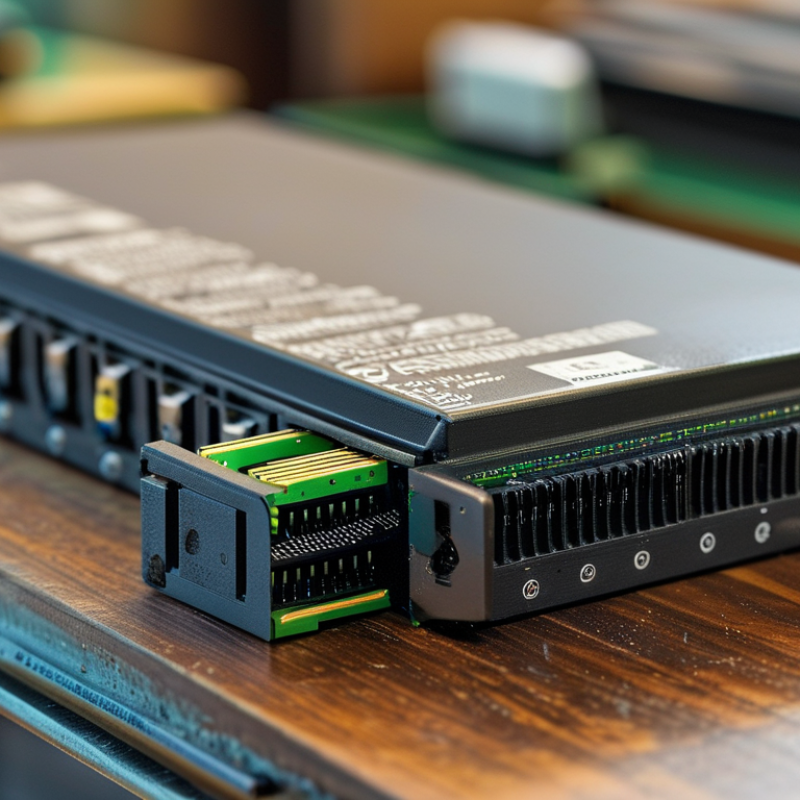
Best QSFP Transceiver Buying Guide for Global Buyers?

Understanding QSFP Transceivers: Types and Standards

QSFP transceivers play a vital role in modern networking. They come in various types and adhere to different standards. Understanding these variations helps in making informed decisions when purchasing. Major types include QSFP+, QSFP28, and QSFP-DD. Each type has specific use cases depending on data rates and distances.

The standards that govern these transceivers are essential. For instance, QSFP+ typically supports up to 40 Gbps, while QSFP28 can handle 100 Gbps. It’s crucial for users to know which standard meets their requirements before buying. Take time to examine compatibility with existing infrastructure. Being clear about your needs avoids costly mistakes.

Many buyers overlook compatibility issues. They often focus only on speed without considering other parameters. Ignoring factors like optical fiber type can lead to performance loss. This oversight can impact network efficiency. Ideally, buyers should approach this decision with caution and seek reliable sources for guidance.

Best QSFP Transceiver Buying Guide for Global Buyers

Type Data Rate (Gbps) Distance Range (m) Wavelength (nm) Application
QSFP+ SR4 40 100 850 Data Center
QSFP+ LR4 40 1000 1264.5 Long Range
QSFP28 SR4 100 100 850 High Bandwidth
QSFP28 LR4 100 1000 1264.5 Fibre Channel
QSFP28 FR 100 400 1310 Short Range

Key Features to Consider When Buying QSFP Transceivers

When buying QSFP transceivers, several key features should be top of mind. Start with compatibility. Ensure the transceiver matches your equipment. Different systems have specific requirements. Without this match, performance suffers. Always review the specifications before making a purchase.

Another vital aspect is the transmission distance. Different QSFPs support different ranges. A short-distance transceiver might save money, but it won't work for long runs. Consider your network's layout. Map out the necessary distances before deciding. Sometimes, investing in higher-quality transceivers pays off.

Do not overlook optical quality. Check for data rates. Some transceivers support faster speeds. Higher rates often lead to better performance. However, align your choice with your network needs. More is not always better. Balance cost with required capabilities.

Tip: Always read user reviews on compatibility. They often highlight issues missed in specs. Also, check for certification standards. This ensures reliability and longevity in your network.

Tip: Avoid impulse buys. Take time to compare options. Many details may lead to poor performance if ignored. Always keep your network's future needs in mind before committing to a purchase.

Comparing Prices: Budget-Friendly Options vs. Premium Models

When searching for QSFP transceivers, price is a significant factor. Budget-friendly models often appeal to cost-conscious buyers. These options can provide decent performance for connecting various network devices. However, they may not include advanced features like error correction. This limitation might affect reliability over time.

On the other hand, premium models offer better build quality and speed. They often include advanced technology to enhance data transmission. This can be crucial in high-traffic environments. However, the higher price tag can be daunting. Buyers may wonder if the extra features justify the investment.

In considering both options, it's essential to assess specific needs. A budget-friendly transceiver may suffice for smaller setups. But a growing business might require more robust solutions. Reflecting on these factors can lead to more informed purchasing decisions. Each buyer must weigh cost against performance requirements carefully.

Compatibility Considerations for Different Networking Equipment

When buying QSFP transceivers, compatibility is paramount. Different networking equipment has unique specifications. Not every transceiver fits all systems. This can lead to connectivity issues if not addressed.

Consider the types of devices in your network. Check if they require specific transceiver models or standards. Ensure that your chosen QSFP transceiver meets the optical reach, data rates, and form factor needed by your infrastructure. Double-check compatibility with the switch or router.

Tip: Always verify the supported modules in the equipment's datasheet. This avoids purchasing an incompatible transceiver that may not function as intended.

Also, consider future upgrades. Will your current choice still be viable if you expand or upgrade your network? Reflect on potential changes that could affect your decision. The right transceiver can enhance performance, but choosing the wrong one can lead to unnecessary costs and frustrations.

Top Brands and Manufacturers of QSFP Transceivers to Explore

When exploring the top brands and manufacturers of QSFP transceivers, buyers should focus on reputation and reliability. Many manufacturers have established their presence in the market through consistent quality. These brands often provide detailed specifications and customer support. An informed choice involves more than just looking at the price. It's crucial to consider the optical performance and data center compatibility of the transceivers.

Additionally, evaluating customer reviews and feedback can offer insights into durability and performance. Some manufacturers might excel in certain areas, while others may lag behind. Understand that not all transceivers perform well in every environment. Detailed comparisons can help highlight strengths and weaknesses between options.

Buyers might also encounter a variety of standards and technologies. This can be confusing, especially when terms vary among brands. It's vital to delve deeper into the technical aspects. Familiarize yourself with terms like bandwidth and distance limitations. The learning curve can be steep, yet actively researching can lead to a more satisfying purchase. Consider reaching out to industry peers for recommendations, as personal experiences can often illuminate hidden gems in the market.

FAQS

: What should I check for when buying QSFP transceivers?

: Compatibility is key. Ensure the transceiver matches your networking equipment's specifications.

Why is transmission distance important?

Different QSFPs support various ranges. Short-distance transceivers may not work for longer runs.

How does optical quality affect performance?

Higher data rates can improve performance, but they must meet your network's specific needs.

Should I read user reviews before making a purchase?

Yes. User reviews can reveal compatibility issues or performance concerns not listed in specs.

Is it wise to rush a purchase?

No. Take your time to compare options. Impulse buys may lead to poor performance.

What if I plan to upgrade my network later?

Consider future needs. The right transceiver can enhance performance and save costs down the line.

How can I ensure my transceiver is compatible?

Check the equipment’s datasheet for supported modules to avoid connectivity issues.

Are there any risks with low-cost transceivers?

Yes. Cheaper options might compromise quality and lead to performance issues.

Why is certification important?

Certified transceivers ensure reliability and longevity in your network setup.

How can I avoid buying the wrong transceiver?

Verify specifications and assess your current and future network requirements carefully.

Conclusion

When considering the purchase of a QSFP transceiver, it is essential to understand the various types and industry standards that define their performance and compatibility. The guide outlines key features buyers should focus on, such as data rate, distance capabilities, and form factors, ensuring that the selected transceiver meets specific networking needs.

Additionally, the article compares budget-friendly options with premium models, helping buyers navigate price differences while considering the long-term value of their investment. Compatibility with different networking equipment is another crucial factor, as it ensures seamless integration into existing systems. Finally, exploring reputable brands and manufacturers can further enhance the buying decision, ensuring reliability and quality in the selected QSFP transceiver.

Sophia

Sophia

Sophia is a dedicated marketing professional with an exceptional depth of knowledge about her company's products and services. With a keen understanding of market trends and customer needs, she crafts insightful blog posts that not only inform but also engage readers, enriching the company’s online......