In an increasingly interconnected world, the demand for reliable data transmission is higher than ever. Selecting the right SFP transceiver can be challenging for global buyers. These compact devices play a crucial role in networking, bridging different media and enabling seamless communication.
With a wide variety of options available, understanding the specifications is essential. Factors like compatibility, range, and data rate can significantly affect performance. Buyers should also consider brand reputation and customer reviews to ensure they make informed choices. However, many are overwhelmed by the choices, leading to uncertainty and mistakes in purchasing.
It's important to reflect on specific needs before diving into options. Each buyer's situation is unique, and what works for one might not suit another. This guide aims to help streamline the buying process, focusing on essential elements to consider. Properly understanding SFP transceivers can lead to more efficient networking solutions.
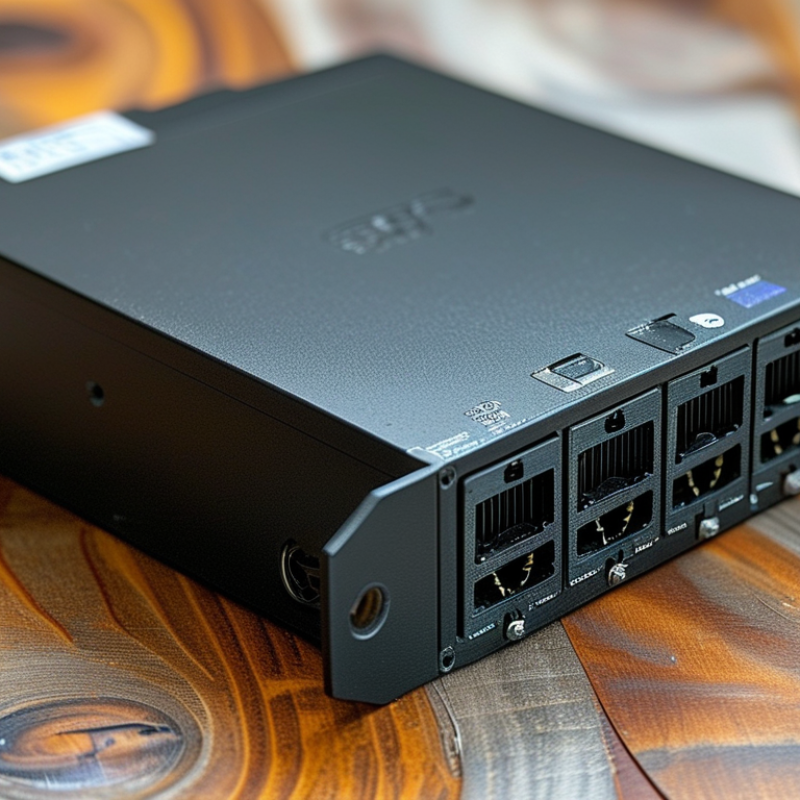
Overview of SFP Transceivers and Their Applications
SFP transceivers are crucial components in modern networking. They act as the interface between network devices, converting electrical signals to optical ones and vice versa. This versatility supports various applications, including data centers, telecommunications, and enterprise networks.
The most common use of SFP transceivers is in high-speed data transmission. They can support multiple protocols, such as Ethernet, Fibre Channel, and SONET. This flexibility allows businesses to adapt to changing demands.
However, selecting the right transceiver can be challenging. Factors like distance, bandwidth, and compatibility must be considered. Some may overlook the importance of quality when purchasing SFP transceivers. Low-cost options might save money initially but can lead to reliability issues.
It’s vital to assess the risks involved with cheaper products. Ensuring reliability can prevent costly downtime and maintenance headaches.
Key Specifications to Consider When Buying SFP Transceivers
When purchasing SFP transceivers, it’s essential to focus on key specifications that influence performance and compatibility. This small but powerful component connects different network devices. Look into data rate, distance, and connector type to ensure seamless integration with your existing infrastructure. Many fail to check these aspects and experience connectivity issues later.
Tip: Always verify compatibility with your hardware. An SFP transceiver may seem identical but vary in functionality.
Another crucial specification is wavelength. The right wavelength ensures optimal signal strength and transmission clarity over distances. Miscalculating this parameter can lead to subpar network performance. Also, consider the operating temperature range of the transceiver. Extreme environments can affect performance, potentially shortening the lifespan of the device.
Tip: Research environmental requirements before the purchase. Ignoring temperature ratings might result in unexpected failures.
In the end, thoughtful selection based on these specifications can prevent costly mistakes. Avoid rushing through the buying process. Each decision matters in maintaining a stable network performance.
Popular Brands and Models of SFP Transceivers in 2026
In 2026, SFP transceivers continue to play a crucial role in data communication and networking. When choosing popular models, reliability and compatibility are vital factors. Market reports indicate a growing demand for higher speeds, pushing 100G SFP transceivers into the limelight. These devices are now essential for data centers and enterprise networks.
Leading analysts note that various brands dominate this space, focusing on 25G and 50G options. According to industry research, the global SFP transceiver market is projected to reach over $6 billion by 2027, reflecting a compound annual growth rate of around 10%. This surge underlines the importance of understanding specifications and use cases before making a purchase.
However, not all models perform equally in different environments. Users often face compatibility issues that can be costly. It's essential to assess not just speed ratings but also power consumption and thermal output. These aspects might seem minor, but they significantly impact overall performance. Carefully evaluate your networking setup to identify the most suitable options. The landscape is ever-changing, and staying informed is key.
2026 Top SFP Transceiver Buying Guide for Global Buyers
| Model |
Data Rate (Gbps) |
Distance (km) |
Wavelength (nm) |
Connector Type |
Price range (USD) |
| SFP-1G |
1.25 |
10 |
850 |
LC |
50 - 80 |
| SFP-10G |
10 |
300 |
850 |
LC |
150 - 200 |
| SFP-25G |
25 |
40 |
850 |
LC |
250 - 350 |
| SFP-100G |
100 |
80 |
1310 |
LC |
800 - 1200 |
| SFP-400G |
400 |
400 |
1310 |
LC |
2000 - 3000 |
Understanding Compatibility and Standards for SFP Transceivers
When selecting SFP transceivers, understanding compatibility and standards is crucial. Today, the industry follows key standards like SFP, SFP+, and SFP28. These standards define data rates and transmission distances. For instance, SFP supports up to 1 Gbps, while SFP+ and SFP28 can handle 10 Gbps and 25 Gbps, respectively. According to a recent report from the IEEE, the global demand for high-speed transceivers is estimated to grow by over 20% annually.
Compatibility issues can arise from variations in vendor specifications. Not all transceivers are interchangeable, even if they appear similar. It's essential to check the specifications strictly. Many users face challenges when integrating modules from different manufacturers. A 2022 survey revealed that 30% of IT managers experienced compatibility failures. This underscores the importance of adhering to standards for seamless integration.
Moreover, optical wavelengths and connector types also play significant roles in compatibility. Standard wavelengths for SFP modules typically range from 850 nm to 1550 nm. Using mismatched wavelengths can lead to signal degradation. Detailed research on procurement practices shows that 40% of buyers overlook these details. A more thorough review of compatibility can significantly reduce operational risks and enhance network performance.
Tips for Finding the Best Deals on SFP Transceivers in the Global Market
When searching for SFP transceivers in the global market, you'll encounter various options. Not all transceivers are created equal. Start by researching specifications like compatibility and data rates. Understanding your network needs is essential. Is it for a data center or an enterprise setup? Identify the environment where it will be used.
Look for trustworthy suppliers that offer a range of products. It’s important to check customer reviews and ratings. Reliable feedback can guide you to better choices. Pay attention to warranty and return policies offered by suppliers. These often reflect the quality of the products.
Compare prices across different platforms. Sometimes the best deal isn't the first one you see. Discounts are often available, but they may require digging deeper. Take your time. Avoid rushing into a purchase. Remember, a low price doesn’t always mean high value. Keep an eye out for product certifications and standards. They indicate reliability, which is vital for network equipment.
2026 SFP Transceiver Market Analysis
Conclusion
In the rapidly evolving landscape of networking technology, the 2026 Top SFP Transceiver Buying Guide aims to equip global buyers with essential insights into SFP transceivers and their diverse applications. The guide emphasizes the significance of understanding key specifications, such as data rates, distance capabilities, and connector types, which are crucial for selecting the right SFP transceiver to meet specific networking needs.
Additionally, the guide highlights the importance of compatibility and compliance with industry standards to ensure seamless integration into existing systems. With a comprehensive overview of popular brands and models of SFP transceivers available in 2026, it also offers practical tips for navigating the global market to find the best deals. This alignment of knowledge empowers buyers to make informed decisions, ultimately enhancing their network's performance and reliability.
 WaveLink
