WaveLink
In the fast-evolving world of data transmission, the QSFP28 transceiver has emerged as a pivotal component. According to a recent market report by TechResearch, the demand for QSFP28 transceivers is expected to grow by 25% annually through 2026. This surge is fueled by the rising need for high-speed data networks, particularly in data centers and high-performance computing environments.
Expert insights from Dr. Emily Turner, a leading figure in optical networking, emphasize the importance of efficient transceiver technologies. She stated, “The QSFP28 transceiver plays a critical role in enabling faster and more reliable data communication.” This assertion highlights the transceiver's significance in meeting modern bandwidth requirements.
As global buyers seek the best QSFP28 transceiver options, they face a multitude of choices. Variations in specifications and manufacturers add complexity to their decision-making. Not every option will provide the expected performance. This landscape demands careful evaluation. Buyers must consider factors like compatibility, power consumption, and overall reliability to make informed decisions.
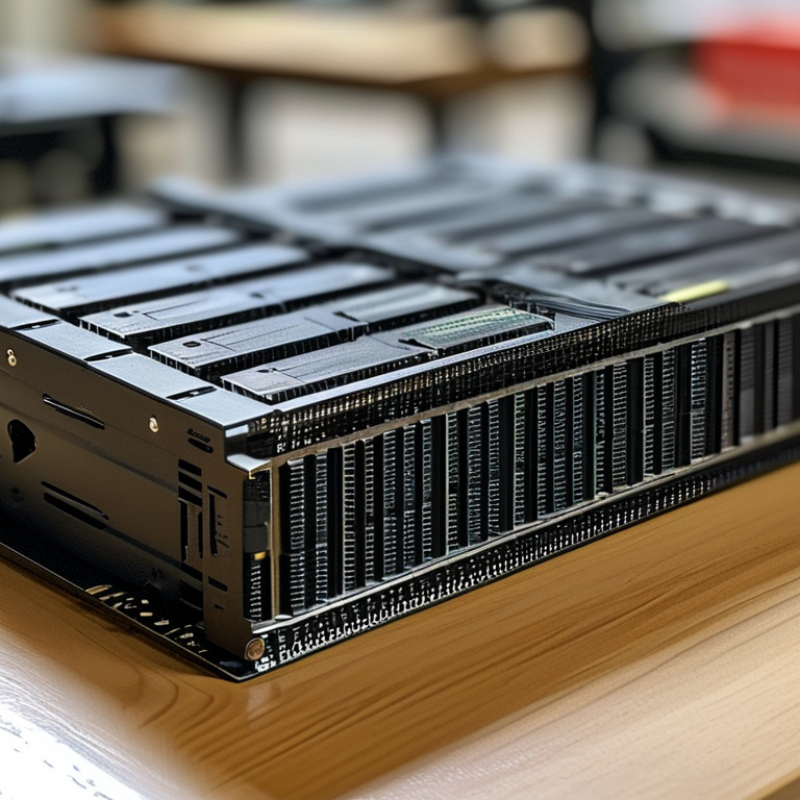
When selecting QSFP28 transceivers, it is crucial to consider key features that ensure reliability and performance. First, the data rate is a primary factor. Most QSFP28 transceivers operate at 100Gbps. This high-speed capability is essential for data-intensive applications. Look for transceivers that support multiple protocols to enhance versatility.
Next, reach and distance are important considerations. QSFP28 transceivers can vary widely in their transmission distance. Some are designed for short-range operations, while others can transmit data over longer distances. The optical specifications, like wavelength and transmission medium, play a significant role here. Ensure the transceiver matches the requirements of your network setup.
Another aspect to focus on is power consumption. A more efficient transceiver can save energy and reduce operational costs. Finally, while technical specifications matter, user reviews often provide invaluable insights into real-world performance. Sometimes, the most advanced models might not offer the best user experience. Balancing specifications with practicality can lead to the best choice for your networking needs.
This chart displays the expected bandwidth and power consumption of various QSFP28 transceivers available in 2026. The data reflects the performance characteristics that global buyers should consider when selecting transceivers for their networking needs.
The QSFP28 transceiver market is evolving, showcasing remarkable advancements in technology and efficiency. As we head into 2026, several brands have emerged as market leaders, setting trends while pushing innovation. These brands focus on providing reliable high-speed data transmission and strong compatibility with existing infrastructures. Their commitment to quality enhances performance in data centers and telecom networks.
When selecting a transceiver, consider the specific requirements of your network. Look for features such as improved power efficiency and thermal management. It’s essential to evaluate the compatibility of transceivers with your existing equipment. Some brands might offer better customer support and warranties, which can be crucial for long-term reliability.
Remember, it’s important to stay informed about the latest technological trends in QSFP28 transceivers. Regularly reviewing market developments is advisable. This landscape is competitive, and innovations often arise. It’s not uncommon for choices to become overwhelming. Keeping a clear focus on your needs can help streamline the decision-making process. Exploring user reviews and expert opinions may offer deeper insights into performance and reliability.
When evaluating QSFP28 transceivers, speed is a critical factor. Many devices reach 100 Gbps, but performance can vary based on design and application. Typical use cases include data centers and high-performance computing. Thus, potential buyers must consider their specific needs when choosing a transceiver type.
Range is equally important. Most QSFP28 transceivers have standard ranges from 100 meters to several kilometers. However, many factors, such as the fiber type and connection quality, can affect this range. Users often find themselves needing to balance distance and speed.
Latency is another vital consideration. While QSFP28 transceivers generally provide low latency, actual performance can deviate. Environmental factors, such as temperature and cabling, significantly influence latency. Users may need to reevaluate their setups to ensure minimal delays. Overall, performance comparisons highlight the complexity of choosing the right transceiver.
| Option | Speed (Gbps) | Range (m) | Latency (µs) | Power Consumption (W) |
|---|---|---|---|---|
| Option 1 | 100 | 100 | 1.5 | 3.5 |
| Option 2 | 100 | 150 | 1.2 | 3.0 |
| Option 3 | 200 | 70 | 2.0 | 4.0 |
| Option 4 | 100 | 300 | 1.8 | 3.2 |
Cost factors in QSFP28 transceiver models can vary widely. Understanding these variances requires a closer look at several elements. Quality is a primary driver of price. Higher-quality components usually lead to improved performance and durability. However, not all expensive options guarantee exceptional performance.
Another factor influencing price is the technology used. Some QSFP28 transceivers support advanced features like CWDM or digital diagnostics. These additional functionalities promote efficiency and can justify a higher cost. Yet, buyers must evaluate whether these features align with their specific needs.
Supply chain dynamics also play a critical role. Market demand can fluctuate wildly based on trends in telecommunications. This unpredictability leads to sporadic pricing changes. Buyers often find themselves navigating a complicated web of options, seeking the best value. Therefore, research and knowledge about current market conditions are essential. It’s important to reflect on the balance between cost and performance when making a purchase decision.
As we look beyond 2026, the landscape of QSFP28 technology is expected to evolve rapidly. Emerging trends indicate a focus on increasing data rates and improving energy efficiency. Innovative materials and designs will be key in meeting the growing demands of data centers. Companies are investing in research to enhance transmission capabilities while reducing power consumption. This means we'll likely see transceivers that deliver higher speeds without overheating.
The quest for sustainability is another driving force. Future QSFP28 devices may incorporate eco-friendly materials. There is a push for solutions that minimize electronic waste. However, achieving this balance between performance and sustainability remains a challenge. The industry must navigate this fine line carefully, ensuring that advancements do not compromise functionality. It's essential for manufacturers to rethink their strategies to align with global sustainability goals while meeting market demands.
Moreover, interoperability among different devices is a crucial aspect to consider. As new technologies emerge, the compatibility of QSFP28 transceivers with existing systems may come into question. This can create potential challenges for companies looking to upgrade their infrastructure. Addressing this issue will require collaboration and standardization efforts within the industry. The focus should shift towards creating adaptive solutions that work seamlessly across various platforms.
: Most QSFP28 transceivers operate at 100 Gbps, suitable for data-intensive applications.
Different transceivers support varying transmission distances, impacting network performance based on your setup.
More efficient transceivers save energy and lower operational costs over time.
User reviews provide insights into real-world performance, sometimes differing from technical specs.
QSFP28 transceivers usually cover ranges from 100 meters to several kilometers, depending on factors.
Environmental aspects like temperature and cabling can significantly affect latency performance.
Users often need to weigh the importance of distance against speed in their networking setups.
While many provide low latency, actual performance can vary based on specific conditions.
High specifications do not always guarantee a better user experience; practicality matters.
Balancing between technical specs and real-world applications can lead to better decisions.
The article "2026 Best QSFP28 Transceiver Options for Global Buyers" provides a comprehensive guide for selecting the ideal QSFP28 transceiver. It emphasizes key features to consider, such as compatibility, power consumption, and data rate capabilities. The article highlights leading brands and innovative players in the market while presenting performance comparisons based on speed, range, and latency, which are critical for buyers in making informed decisions.
Additionally, the discussion on cost factors sheds light on the price variances among different QSFP28 models, helping to navigate budgetary constraints without compromising quality. Finally, the article explores future trends in QSFP28 technology, offering insights into anticipated advancements and what global buyers can expect beyond 2026, thus equipping them with the knowledge to optimize their investments in high-speed networking solutions.